Nearly one in four British men admit they feel unsure with formal shirts, yet a single detail can lift a whole outfit.
If you search “how do i wear cufflinks”, you can learn the basics in minutes and build confidence with practise.
By the end of this short guide you will know the correct way to put a cufflink in, choose an easy first pair and avoid common alignment mistakes.
This is a simple upgrade to your style, not an intimidating rulebook. In UK formalwear and smart office settings, a neat pair changes your overall look without extra accessories.
You will follow a clear sequence: pick the right shirt, line up the holes, insert the post and secure the backing so the decorative face sits outward.
Most issues, tight fabric, misaligned holes or awkward wrist angle, have quick fixes you will learn as you practise for the first time.
What cufflinks are and what they actually do
Cufflinks serve a practical purpose beyond their decorative appeal.
In plain terms, they are removable fasteners that link the two sides of your cuffs when a dress shirt does not have cuff buttons. You need them most with French cuffs, where the cuff lacks sewn-on buttons and must be closed with a separate item.
Their job is simple: replace a button to hold the cuff snug at your wrist, yet let you remove the fastening easily later. This gives a neater finish than many buttoned cuffs and ties in with other metal accessories such as a watch or belt buckle.
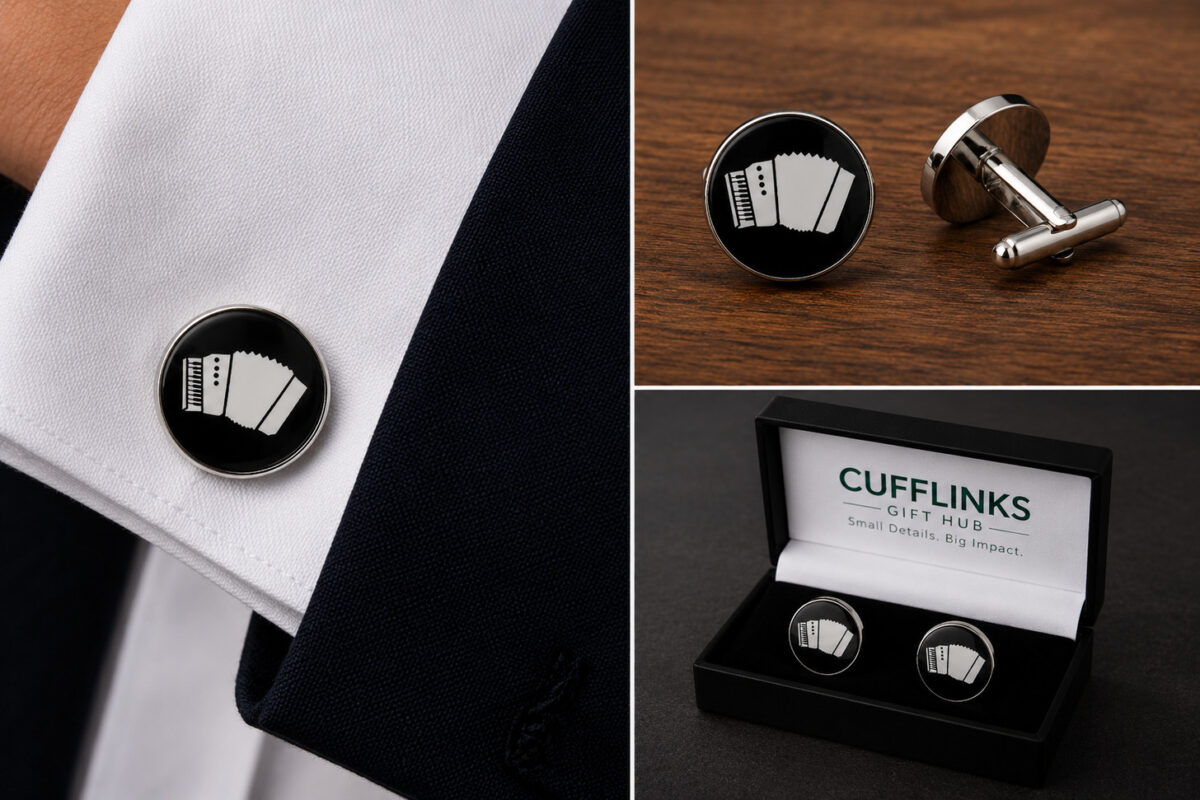
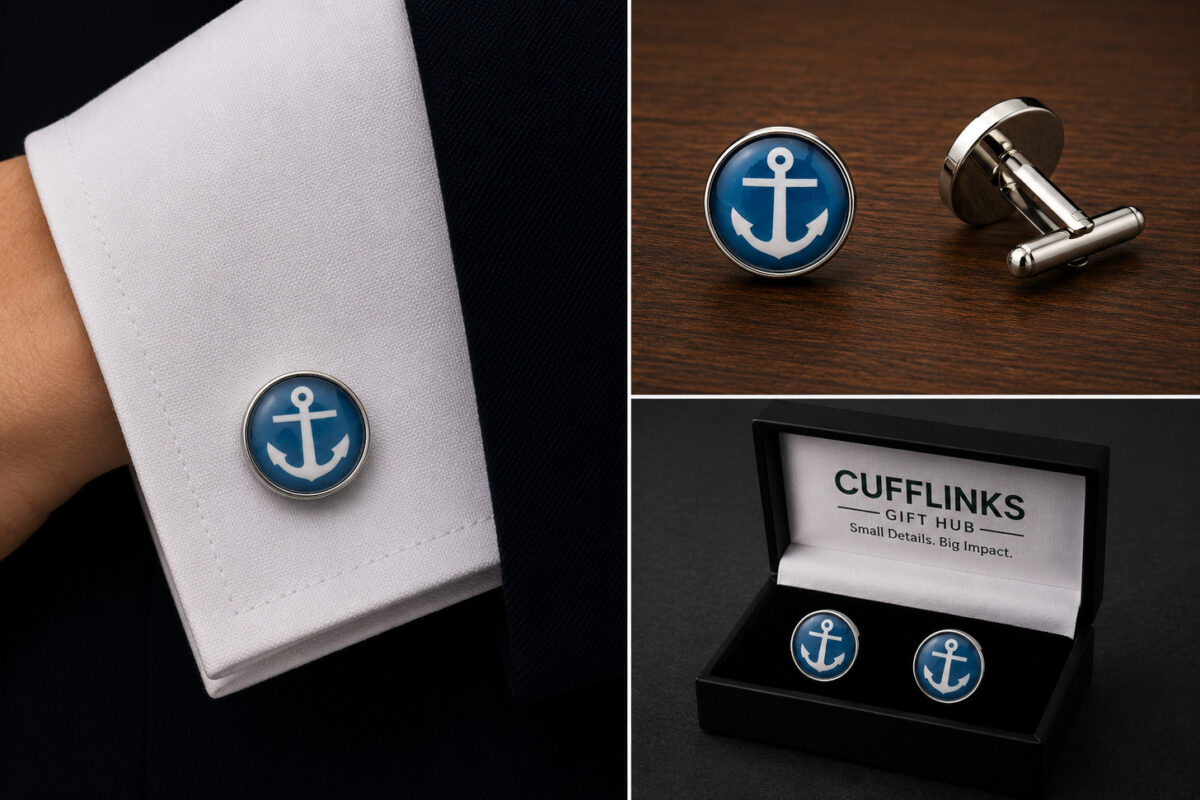
- The face is the decorative front that shows on the outside.
- The post passes through the aligned holes on both sides of the cuff.
- The back or closure secures the assembly on the inside side of the cuff.
| Part | Role | Common style |
|---|
| Face | Visible decoration | Enamel, metal, stone |
| Post | Connects face and back | Fixed or hinge |
| Back | Secures cuff | Toggle, bullet, chain |
Understanding face, post and back makes choosing a closure style much easier in later sections.
Choose the right shirt cuff for cufflinks
Pick the right cuff and you halve the fuss when fastening metal at the wrist.
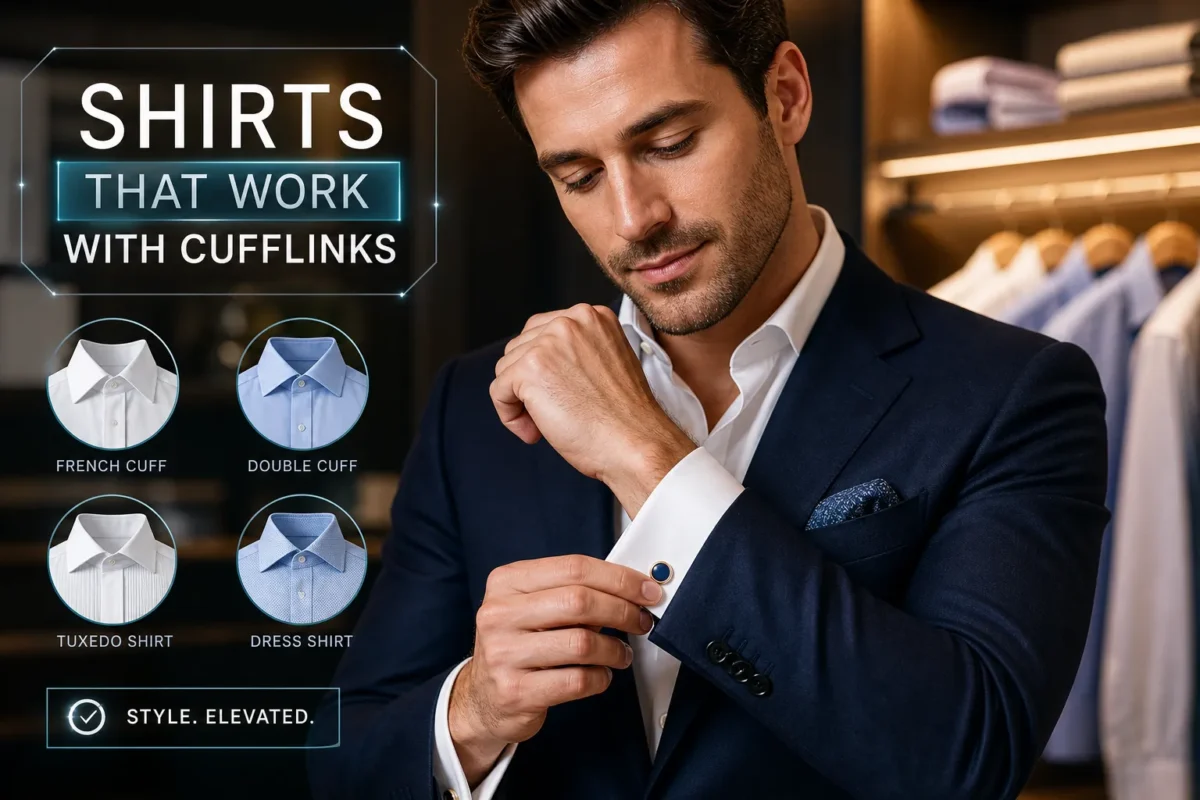
French cuffs are the classic choice for formal dress. They are double-layered, longer than regular cuffs and fold back to create a neat double cuff. French cuff shirts usually lack sewn-on buttons and have dedicated buttonholes that accept a post and back. This is why they are the reliable option for black tie and other formal events.
Convertible cuffs for flexibility
Convertible cuffs give you options. They can be fastened with the included buttons for everyday use or with a pair of cufflinks when you want a sharper outfit. Look for extra buttonholes near the edge of the cuff when shopping; that detail tells you the shirt can switch between buttons and a decorative fastening.
Single cuffs and casual choices
Yes, single cuffs can accept a decorative fastener, but the effect is more relaxed. Not all single cuff shirts have the right holes, so check before you buy. Most importantly, the cuff should sit comfortably at your wrist and never pinch once the metal is added.
Next: after you pick a cuff style, you will check hole alignment, fabric thickness and wrist fit before fastening anything.
What you need before you start
Begin with a classic metal pair and a French or convertible shirt for easier practice.
Pick something simple. A polished metal finish is forgiving and matches many outfits. Choose a colour tone—silver, gold or gunmetal—that suits your watch or belt buckle.
Picking your first pair for easy fastening and a clean look
Choose one suitable shirt (French or convertible) and a beginner-friendly pair cufflinks with a simple closure and clean face. A fixed or bullet-back toggle slides through more easily for a first try.
Checking cuff holes, fabric thickness and wrist fit
Before you begin, make sure the holes are neat and large enough for the post. Check that the buttonholes are cleanly stitched and free of loose threads.
French cuffs use multiple layers of fabric, so thickness matters. Start with a style that passes through without forcing. The cuff should sit on your wrist with a small bit of movement, not dig in.
- One shirt (French or convertible) and one easy pair to practice.
- Pick a simple closure and a neutral metal finish for a sharp look.
- Check holes, fabric thickness and wrist fit before you start.
- Stand in a well-lit place with a mirror for the end alignment check.
| Item | Why it matters | Quick tip |
|---|
| Shirt type | French/convertible accept posts easily | Use a French cuff for formality |
| Pair choice | Simple closures reduce fiddling | Start with polished metal |
| Holes & fabric | Stitched holes and suitable fabric thickness prevent tearing | Test the post before the event |
how do i wear cufflinks with a French cuff shirt
A crisp fold is the small detail that makes the rest of the fastening straightforward. Start by folding the cuff back to form the double layer so both edges align evenly. This gives you a clean base for the next steps.
Fold back the cuff neatly to create the double cuff
Fold the cuff so the inner and outer layers sit flat. The double cuff should form a neat band at your wrist.
Make the “kiss cuff” and hold the cuffs together
Bring the open ends together so the layers meet rather than overlap. Hold the cuffs together between thumb and forefinger to keep them steady while you work.
Line up the buttonholes so the post slides through cleanly
Match the holes across each layer; French cuffs typically have four holes to align. Take a moment to check that no thread or fabric edge is caught.
Insert the cufflink so the decorative face shows on the outside
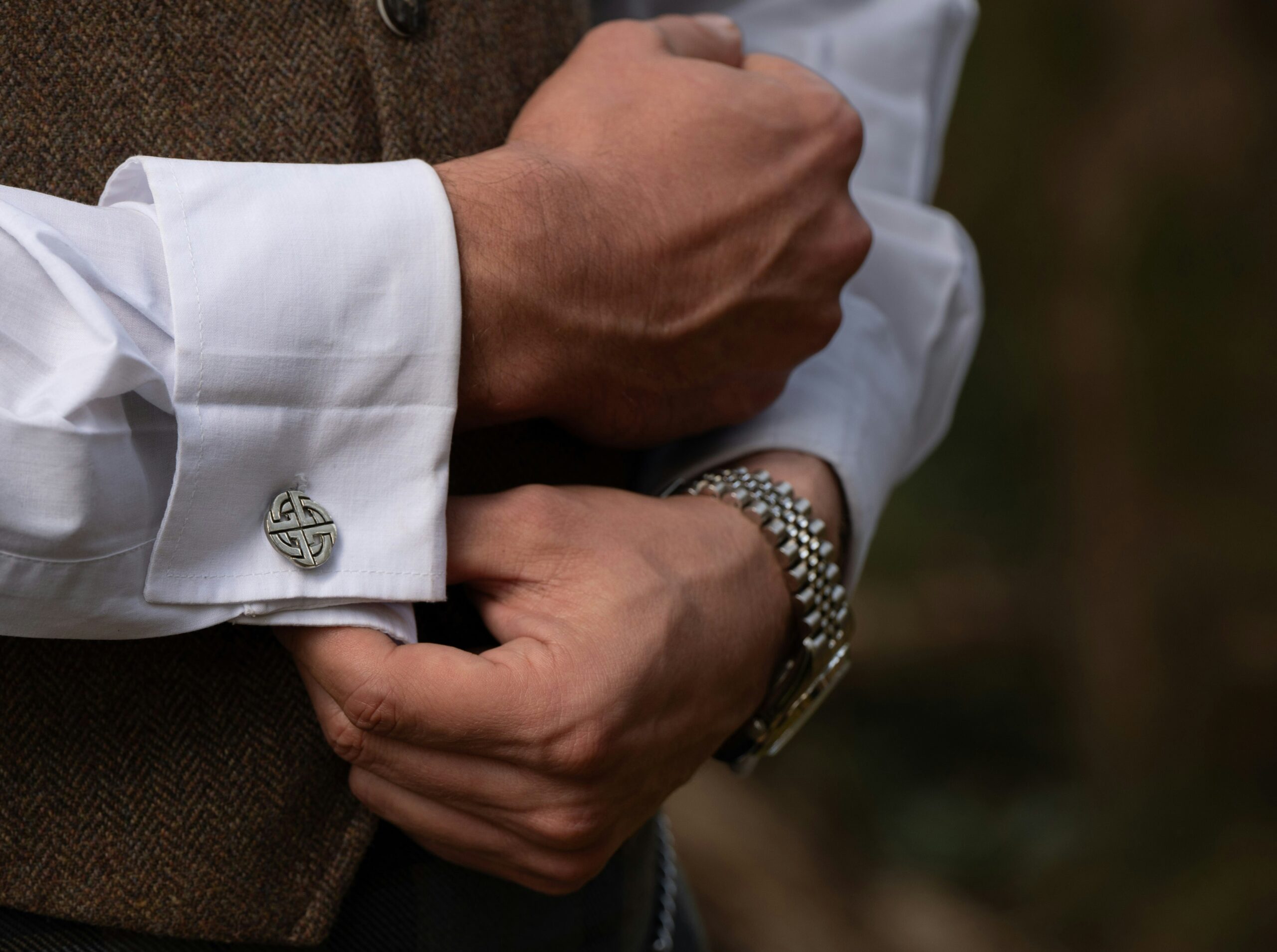
Push the post from the underside through the aligned holes so the decorative face sits on the outer side of your wrist. When your arms hang at your sides, the face should point outwards and sit straight.
Secure the backing and do a final alignment check at the wrist
Flip or lock the back so it lies flat and cannot rotate loose. Check that the cuff edges meet cleanly and the end of the cuff looks even on both sides.
Quick tip: If it feels tight, re-check the holes and layers before forcing the post. Most snags come from one layer being slightly off.
How to wear cufflinks with convertible cuffs
Convertible cuffs offer a simple bridge between casual shirts and smarter occasions, so you can switch fast without extra shopping.
Start by unbuttoning the cuff and laying it flat on a table or your forearm. Look for the small extra holes placed beside the regular button position; these are the cufflink holes you will use.
Unbutton, lay flat, and align the holes
Hold both layers so the edges meet. Line up the holes before you insert anything. This prevents the cuff from twisting and keeps the final finish tidy at the wrist.
How do I wear cufflinks? Insert, close, and check comfort
Pass the post through the aligned holes in one smooth motion, then secure the back or toggle. Make sure the cuff is not pulled too tight; it should feel like a normal buttoned cuff once fastened.
Do a quick visual check: the decorative face should sit on the outside of your wrist and the cuff should meet the jacket sleeve evenly. For office settings, choose a restrained design so your accessory looks deliberate, not flashy.
| Step | What to check | Quick tip |
|---|
| Prepare cuff | Unbutton and lay flat | Work on a table for steadiness |
| Align holes | Match extra holes beside the button | Pinch edges together to avoid twist |
| Secure | Insert post and close back | Test feel on the wrist for comfort |
Cufflink fastening styles and how each one works
Different fastenings feel distinct in the fingers and change the way a shirt sits at the wrist. This short guide explains common closures so you can pick a pair that is simple to use and suits the occasion.
Bullet back: a quick toggle for beginners
Bullet back fastenings have a small tubular toggle that flips from vertical to horizontal. You push the post through the holes with the toggle inline, then rotate it to lock. The motion is quick and forgiving, which is why many people start here.
Whale back: fluid flip with a shaped tail
Whale backs use a curved tail that flips like a hinge. The action is smoother than a bullet toggle and the tail can rest at a slight angle once locked. That small difference feels neat when you secure the cuff.
Fixed back and ball back: simple, no moving parts
Fixed back and ball back pieces have no hinges. You push the post through like a stud and the backing stays in place. They are durable and suit metal designs where you want a clean, solid look.
Chain link: classic feel, a looser fit
A pair with a chain joins the two faces via short links. This gives a slightly looser fit and a bit of motion between the two sides. It also shows interest on both the outside and the inside of the cuff.
Silk knot: colour and comfort for casual shirts
Silk knot fastenings are knotted yarn. They have some stretch and come in many colour options. They are soft on fabric but less hard-wearing than metal, so choose them for relaxed dress codes.
Locking, snap link and wraparound options
Snap link pieces click together and are often seen in older pieces. Locking fastenings fold and latch like a tiny watch clasp for extra security. Wraparound closures loop around the cuff exterior so the decorative side is more visible.
“Pick the fastening that feels easiest in your hand; the best pair is the one you use without fuss.”
When to wear cufflinks in the UK and how formal to go
Knowing when to bring out a metal pair makes dressing for events simpler and more confident. Use context to choose a level of formality that suits the time and place.
Black tie and tuxedo looks with French cuff shirts
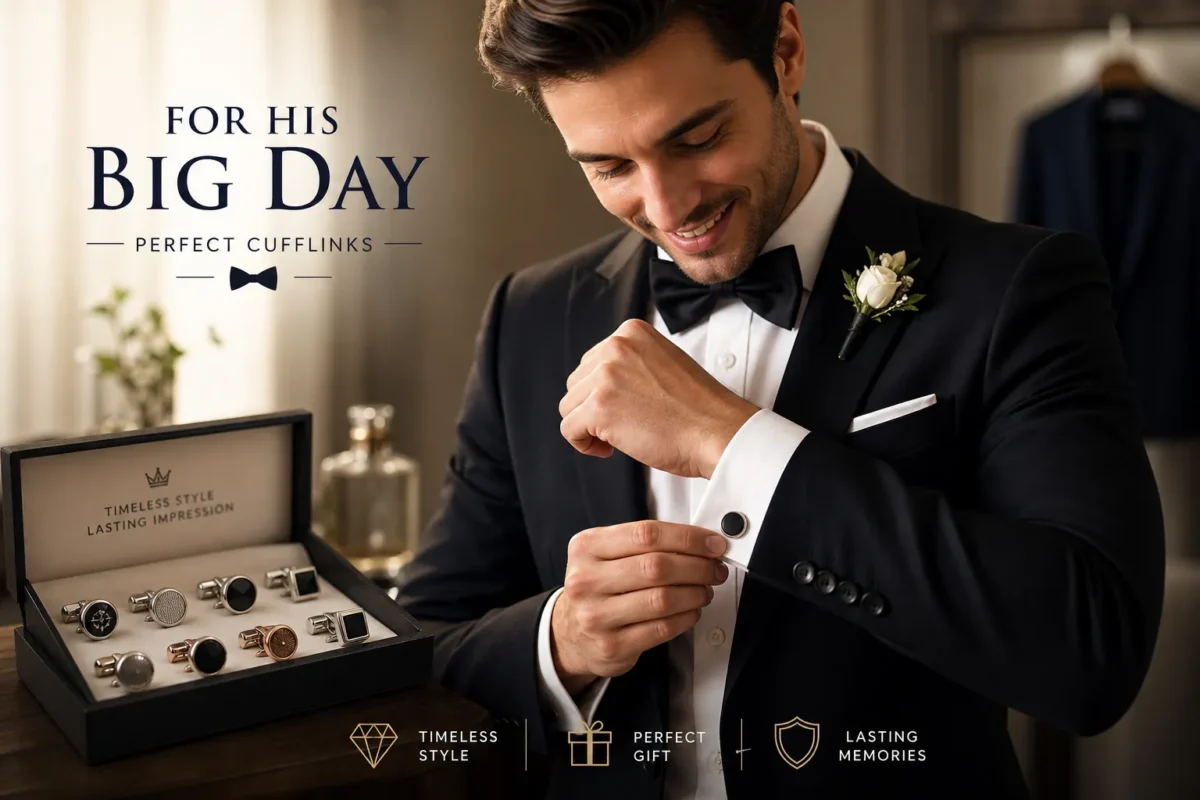
For black tie, the rule is clear: a tuxedo with french cuff shirts and a neat pair completes the dress code. Choose classic shapes and match metal tones to other accessories for a cohesive look.
Weddings, interviews and office style without overdoing it
At weddings pick a tasteful pair that complements your suit and avoids loud colour themes. For interviews and day office settings, keep designs simple and small. Less flash, more purpose. That keeps your outfit polished and appropriate.
Heirloom and gift pieces: wear them confidently
Treasured pieces tell a story. Treat an heirloom as a signature detail and keep the rest of your dress minimal. Coordinate metal tones with your watch and belt buckle so the accessory feels intentional.
| Situation | Suggested style | Quick tip |
|---|
| Black tie / evening | Formal metal, slim face | Match tuxedo hardware |
| Weddings | Tasteful, subtle colour accents | Complement suit and tie |
| Office / interviews | Simple, small designs | Understated and neutral |
| Heirloom / gifts | Classic or sentimental | Let them be the focal accessory |
“If in doubt, choose classic shapes and smaller faces — you’ll look well put‑together without feeling overdressed.”
Final tip: when you choose to wear cufflinks, keep balance. Coordinate metal and subtle colour, and the accessory will lift your style at the right events.
Conclusion
Follow the same simple sequence and you’ll avoid last‑minute fiddling at the wrist. Choose the right shirt, line up the holes, pass the post through, secure the backing and check the cuff sits flat.
Most mistakes come from misaligned layers. Take two extra seconds to match the edges and you save time and annoyance.
French cuffs need a cufflink by design, while convertible cuffs let you switch between buttons and links when you want flexibility.
Place the decorative face outward when your arms hang at your sides for a clean finish. Start with a simple closure and classic design, then expand into bolder links as you gain confidence.
Practise once at home with your chosen shirt so the process feels natural on the day.
FAQ
What are cufflinks and what purpose do they serve?
Cufflinks are decorative fastenings that link the two sides of a shirt cuff when standard buttons aren’t present. They hold French or convertible cuffs closed, add polish to a tailored outfit and act as a small but noticeable accessory that complements your overall look.
What parts make up a cufflink?
A typical cufflink has a decorative face, a post and a backing or mechanism. The face shows on the outside of the cuff, the post passes through the buttonholes and the backing secures the piece in place. Styles vary — bullet-back, whale-back, chain link, fixed back and silk knots are common.
Which shirt cuffs work best with cufflinks?
French cuffs are the classic choice because they fold back and present two aligned holes for cufflinks. Convertible cuffs offer flexibility: you can use the button or add cufflinks when you prefer a smarter look. Single cuffs generally use buttons and only work with cufflinks if they have additional holes made for that purpose.
How should you prepare before putting on cufflinks?
Choose a pair with a simple fastening if you’re new to them, check that the shirt has matching cuff holes, and confirm the cuff fabric isn’t too thick for the post. Also ensure the cuff sits comfortably above your wrist bone when your arm is relaxed.
What’s the correct technique for fastening cufflinks on a French cuff shirt?
Fold the cuff back to create the double layer, bring the edges together in the “kiss cuff” position, line up the buttonholes, push the post through both holes so the decorative face sits outside, then secure the backing and straighten so the cuff sits flat against your wrist.
How do cufflinks work with convertible cuffs?
Unbutton the cuff, lay it flat and align the holes as you would for a French cuff. Insert the post through both holes, fasten the mechanism and check that the cuff closes neatly and feels comfortable when your arm moves.
Which fastening styles should beginners consider?
Bullet-back and whale-back cufflinks are user-friendly thanks to their toggle mechanisms. Chain link types are straightforward too, while fixed back and ball back pieces require no moving parts. Silk knot options are soft and forgiving if you want a casual touch.
When is it appropriate to wear cufflinks in the UK?
Cufflinks are suitable for formal events such as black tie and weddings, and for professional settings like interviews or client meetings. For daily office wear, choose subtle metal tones or toned-down designs so the accessory enhances rather than dominates your outfit.
Can heirloom or sentimental pieces be worn regularly?
Yes. Heirloom cufflinks are perfect for special occasions or when you want a meaningful accent. Match the rest of your accessories to the metal or colour for a cohesive look and treat delicate pieces with care when fastening them.
How should you pair cufflinks with other accessories?
Coordinate metals — silver cufflinks with a silver watch or belt buckle, warm gold hues with brown leather. Keep patterns and colours balanced: if your tie or pocket square is bold, choose simpler cufflinks to maintain harmony in your outfit.