Blog
What Shirts Are Compatible With Cufflinks? A Beginner’s Guide

What Shirts Are Compatible With Cufflinks? A Beginner’s Guide
You’ve found a beautiful pair of cufflinks. Maybe you picked them up as a gift, maybe someone handed them to you before a wedding, or maybe you spotted a pair that perfectly captures something you love and ordered them on the spot. Now you’re standing in front of your wardrobe, cufflinks in hand, staring at a pile of dress shirts and wondering: does any of this actually work together?
If you’re asking what shirts are compatible with cufflinks for beginners, the answer is simpler than you’d expect. The cufflinks look right. The shirt looks right. But the shirt has to be the correct type of shirt, and that detail trips up more people than almost anything else in men’s dressing. The good news is that there are only three cuff types worth understanding, and once you know what to look for, everything clicks into place within minutes.
Many people first encounter cufflinks while shopping for a groomsmen gift or browsing Cufflinks Gifthub for a Father’s Day or birthday present. They find a pair they love, place the order, and only then start wondering what shirts will actually let them wear them. That’s a perfectly normal sequence, and this guide exists to close that gap fast. We’ll cover French cuffs, convertible cuffs, and barrel cuffs, plus how to fasten each type, how to choose the right cufflink style, and what to look for when building a cufflink-friendly wardrobe.
The three shirt cuff types you need to understand
Before you buy another shirt or wear another cufflink, build a clear mental picture of these three cuff types. Everything else flows from understanding these distinctions.
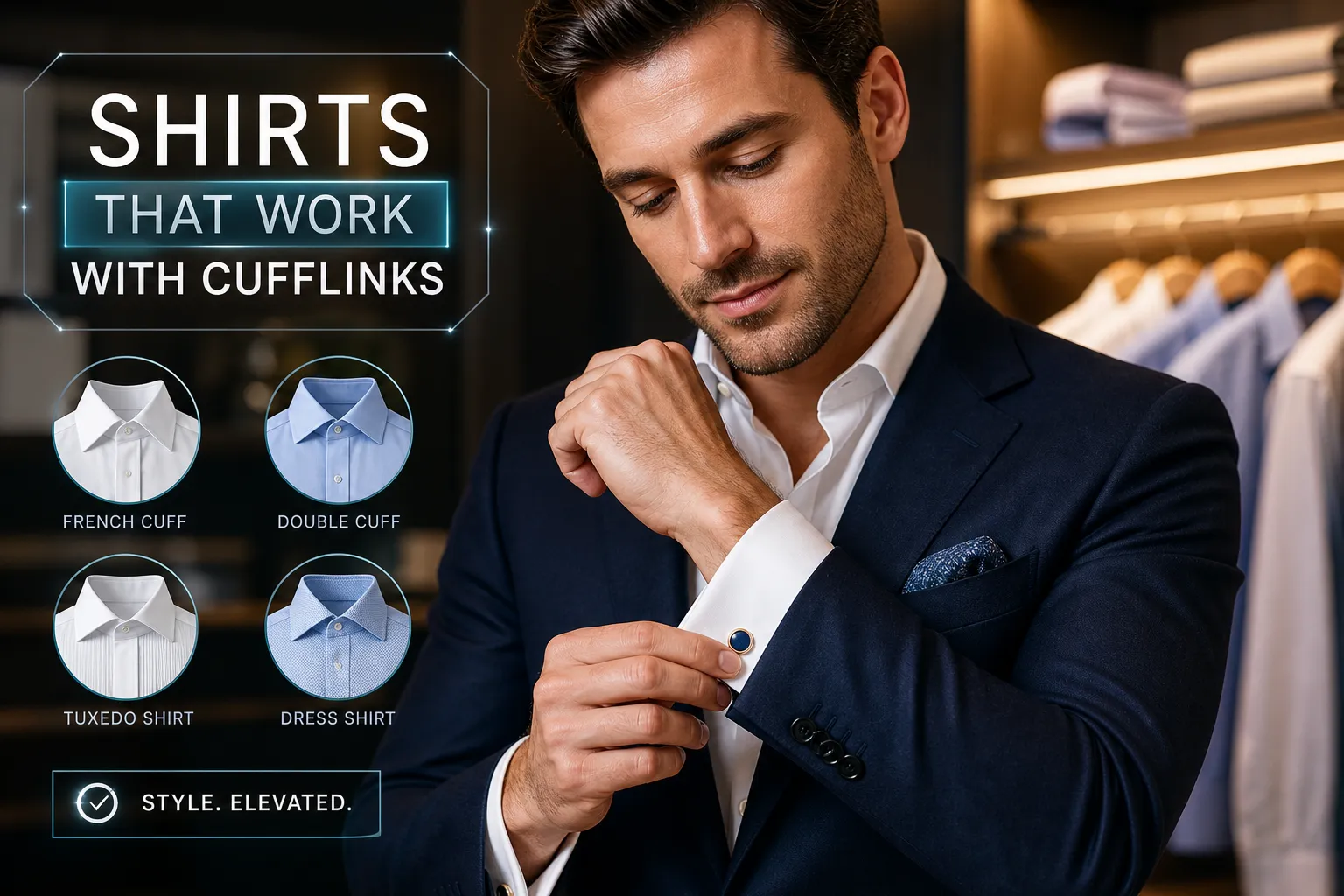
French cuffs: the original cufflink-compatible shirt
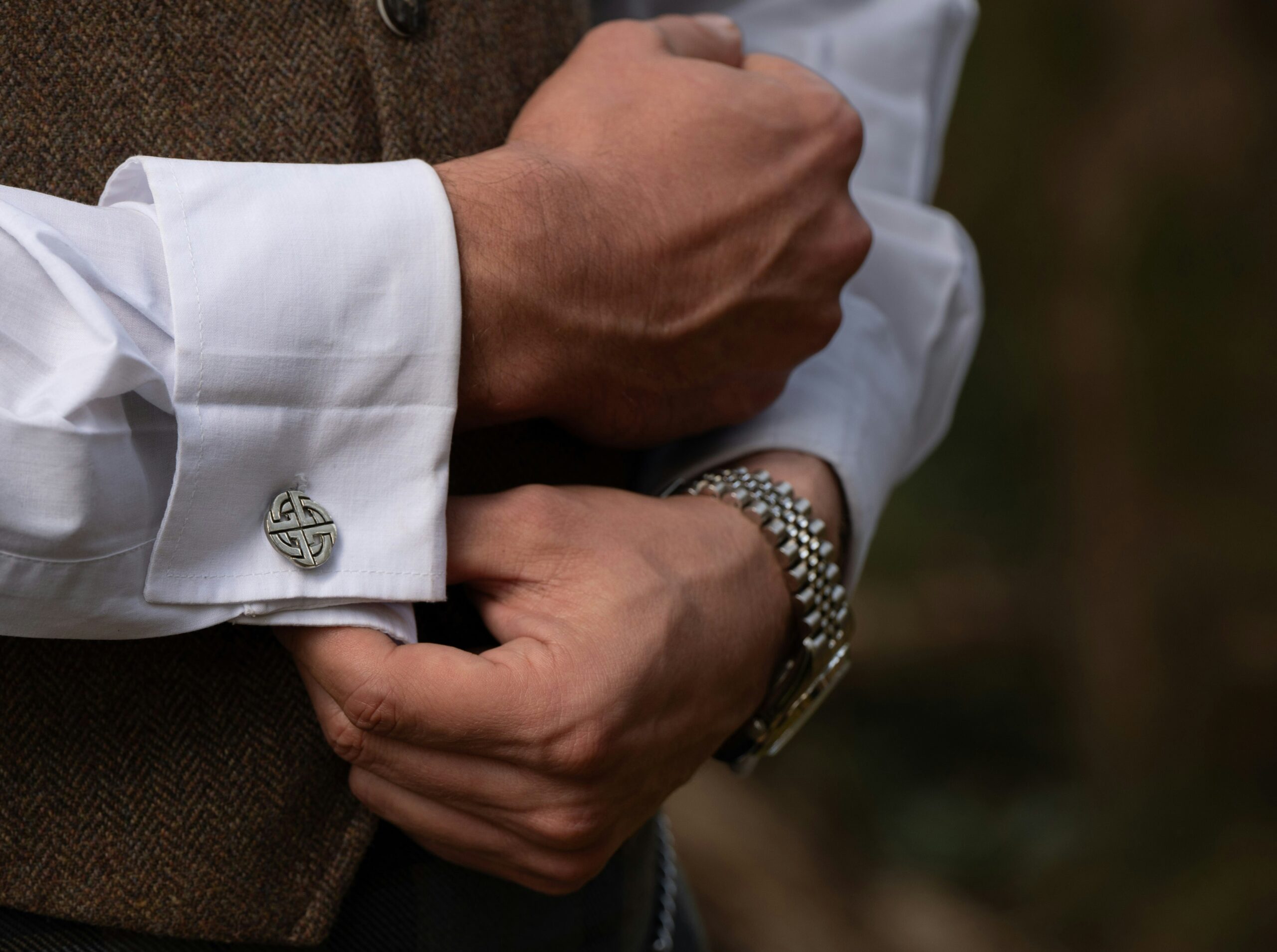
French cuffs, also called double cuffs, are the cuff type designed specifically and exclusively for cufflinks. The cuff itself is longer than usual, constructed to fold back on itself and create a double layer of fabric at the wrist. That fold produces four aligned holes, and the cufflink passes through all four to hold the cuff closed. There are no buttons on a French cuff at all. Cufflinks aren’t optional here, they’re the only way the shirt closes at the wrist.
Visually, French cuffs signal formality. They’re the right choice for weddings, black tie events, and business formal settings where the overall outfit is already at a high register. If you pull a dress shirt from your wardrobe and notice the cuff is noticeably longer than your other shirts, with no buttons along the edge, you’re almost certainly holding a French cuff shirt.
Convertible cuffs: the flexible option beginners often overlook
Convertible cuffs are a single-layer cuff construction that includes an extra buttonhole on the opposite edge. This dual-buttonhole design means the shirt can close with a standard button for everyday wear or with a cufflink when you want to dress it up. The cuff doesn’t fold back the way a French cuff does; the two edges simply meet and the cufflink pins them together.
What makes convertible cuffs so useful for beginners is that many affordable mid-range dress shirts are already built this way. You may own a cufflink-compatible shirt without realising it. Check the cuff edge opposite the main button: if there’s a second buttonhole there, your shirt is cufflink-ready right now. Convertible cuffs are the easiest entry point into wearing cufflinks without overhauling your entire wardrobe.
Barrel cuffs: the everyday shirt that mostly doesn’t work
Barrel cuffs, also called single or button cuffs, are what most men wear most of the time. One layer of fabric, one or two buttons, and a single buttonhole on each side. Standard barrel cuffs don’t accept cufflinks because there’s no second hole to thread a cufflink through, the construction simply doesn’t support it. If you have a barrel cuff shirt you love and want to wear cufflinks with it, a tailor can add a second buttonhole to the opposite edge, turning it into a convertible-style cuff. More on that in the shopping section below.
How to actually fasten cufflinks without fumbling
Knowing which shirts are compatible with cufflinks for beginners is only half the picture. Fastening them correctly is where first-timers often lose a few minutes of frustrated fumbling before a big event. Follow these steps and the process quickly becomes second nature.
Fastening on French cuffs
- Unbutton the sleeve cuff completely.
- Fold the cuff back on itself so all four holes line up into two pairs.
- Rotate the cufflink’s clasp or toggle bar into the open (vertical) position.
- Slide the cufflink through the aligned holes from the outside of the cuff inward.
- Flip the toggle or backing to the horizontal (closed) position so it locks flat against the fabric.
The single mistake most beginners make is not completing step two properly. All four holes must be cleanly aligned before you insert the cufflink. If the fabric is puckering or the cufflink face won’t sit flat against the cuff, the fold is off, smooth it out, realign, and try again. For fastener styles, bullet-back and whaleback cufflinks are the easiest mechanisms for beginners because the toggle is straightforward to operate and holds securely without requiring both hands to be perfectly coordinated. For a clear visual walkthrough and extra tips on getting the technique right, see this how to wear cufflinks guide.
Fastening on convertible cuffs
- Unbutton the cuff entirely.
- Bring the two cuff edges together so both buttonholes face each other and align.
- Slide the cufflink through both holes from the outside in.
- Secure the backing so the cufflink holds the cuff closed.
Unlike French cuffs, convertible cuffs don’t fold back, so the cufflink sits more flush and compact at the wrist. This is worth keeping in mind when you choose which cufflinks to wear with which shirt, which is exactly what the next section covers.
Choosing cufflink types and styles that suit your shirt
Not every cufflink pairs equally well with every cuff. Getting this right doesn’t require becoming a menswear scholar; it just requires a quick check on size and occasion before you buy or choose.
Getting the size right: standard vs. large cufflinks
Standard cufflinks typically measure around 14 to 16mm in face diameter, and they work well with the vast majority of dress shirts across most occasions. Large cufflinks, typically around 19mm, have the visual presence to suit thicker, heavier French cuffs where the extra weight of fabric calls for something bolder. On a convertible cuff, a single, thinner layer of fabric, a very large or three-dimensional cufflink can look bulky and awkward. The rule is straightforward: the thicker the cuff, the larger the cufflink face it can comfortably carry.
For a broad overview of common cufflink styles and mechanisms that can help you decide, consult this ultimate guide to cufflinks.
Matching cufflink style to the occasion
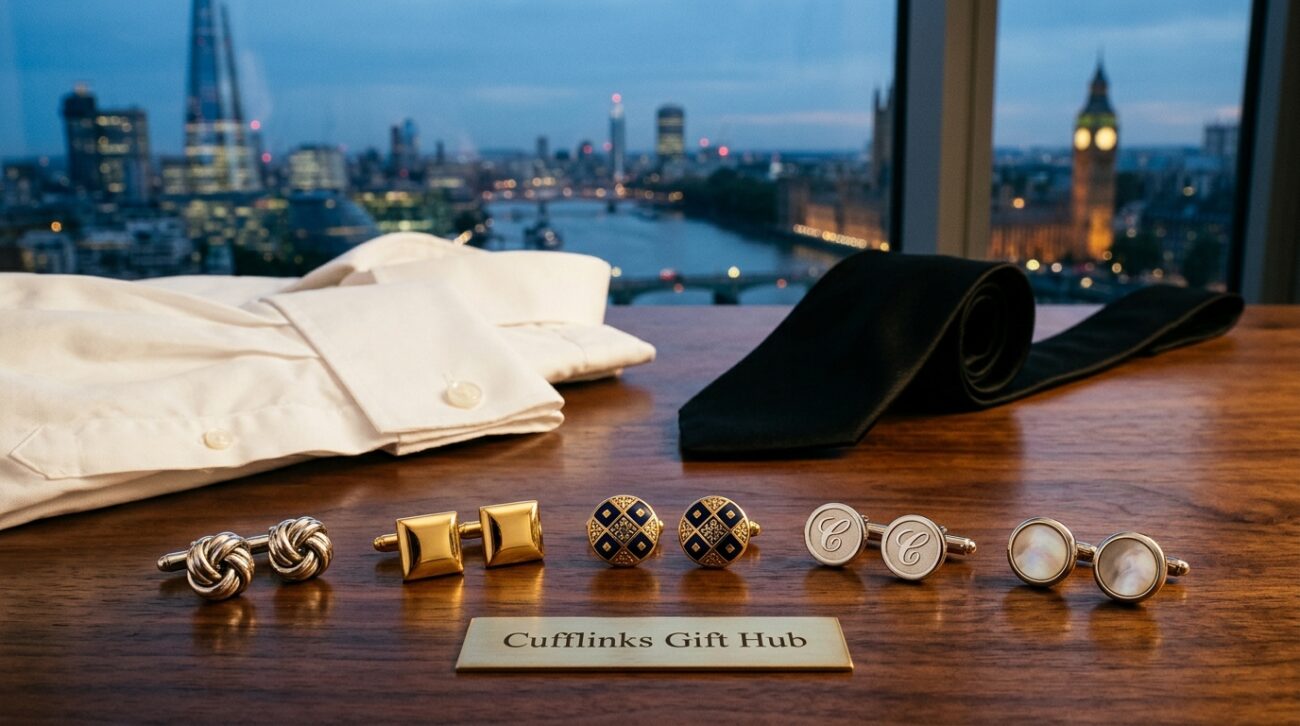
For black tie events or formal weddings, classic silver, gold, onyx, or mother-of-pearl cufflinks on French cuffs are the traditional choice for keeping visual weight appropriate without competing with the rest of the outfit. For business formal settings, bullet-back or fixed-back styles in brushed silver or gold maintain a clean, professional appearance that doesn’t distract.
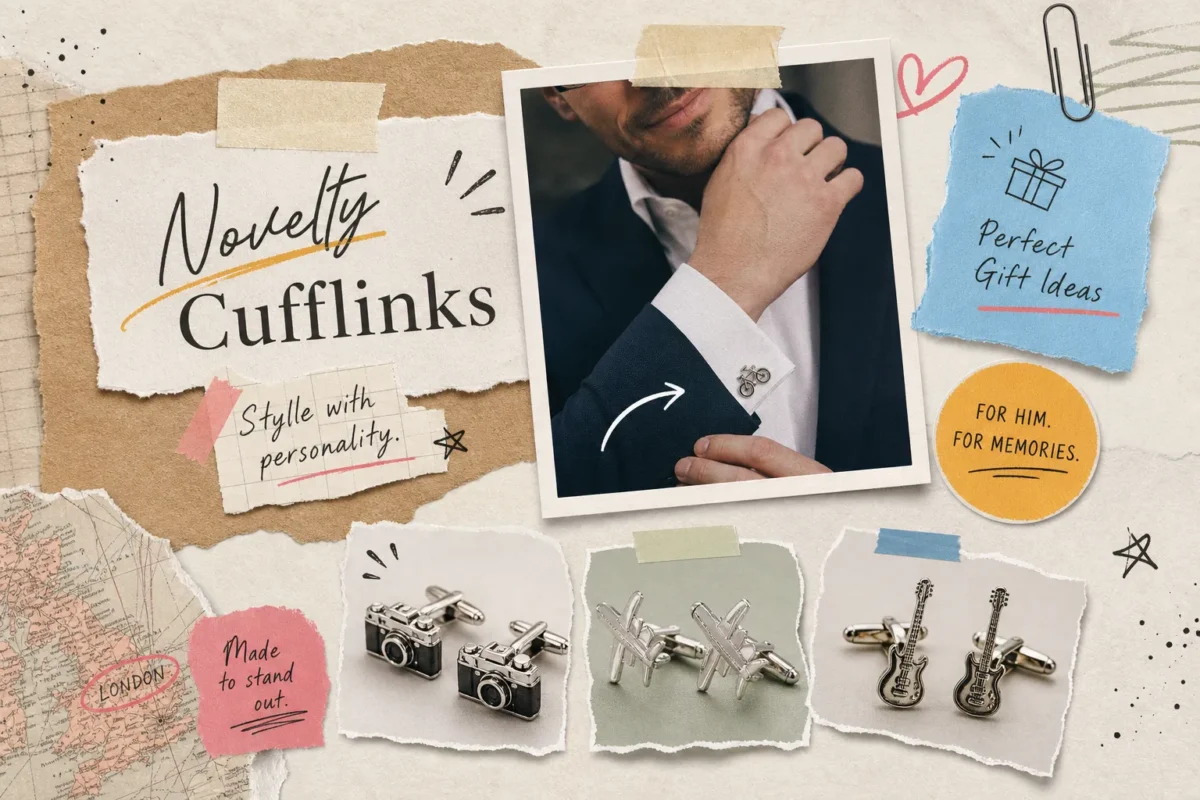
Once you move past strict formality, the rules loosen considerably. Novelty, themed, and enamel cufflinks are completely at home on convertible cuffs at weddings with a smart casual dress code, at parties, or in any setting where the outfit isn’t aiming for black tie standards. The occasion matters more than any rigid style hierarchy, and expressing personality through a cufflink is entirely appropriate when the context allows for it.
What shirts are compatible with cufflinks? How to shop for the right one
Building a cufflink-friendly wardrobe doesn’t mean replacing everything you own. It means knowing exactly what to look for so you can spot the right shirt quickly, whether you’re in a store or scrolling through product listings.
How to spot a cufflink-compatible shirt in-store or online
A few quick visual checks will tell you everything you need to know. Look for a longer cuff with no buttons on the edge, that’s a French cuff. Look for an extra buttonhole on the opposite side of the main button, that’s a convertible cuff. And check the product description for terms like “double cuff,” “French cuff,” or “link cuff”; any well-written listing will state this clearly, and the product photos of the cuff edge will confirm it if the description is vague. Many brands publish short guides explaining cuff construction, see this example on about our cuffs for more detail.
Many mid-range dress shirt brands now include at least one cufflink-compatible option in their lineup. You don’t need a specialty retailer or a bespoke tailor to find a good starting shirt. Convertible cuff shirts from mainstream brands are widely available and often more affordable than dedicated French cuff options.
Is getting a barrel cuff shirt tailored worth it?
If you have a barrel cuff shirt you love and want to wear cufflinks with it, a tailor can add a second buttonhole to the opposite cuff edge, creating a convertible-style opening. The process involves repositioning the existing button, adding a clean buttonhole on the opposite edge, and finishing it neatly. It won’t produce a true French cuff, but it makes cufflinks entirely possible on a shirt you already own and that already fits well. For a side-by-side comparison of how those cuff types differ visually and functionally, see this article comparing French cuff vs barrel cuff.
The cost for this kind of alteration is typically modest, often no more than £15 to £20 depending on your tailor and location. For a shirt that fits perfectly and that you reach for regularly, that’s a worthwhile investment that avoids buying a replacement entirely.
Why starting with a themed cufflink makes the whole thing easier
Understanding shirt compatibility is the practical foundation. But the reason most people never wear their cufflinks consistently isn’t a knowledge gap, it’s an enthusiasm gap.
The intimidation factor is real, and a fun first cufflink fixes it
Most beginners assume their first cufflink purchase should be something safe: a pair of plain silver rounds that go with everything and offend nobody. That logic sounds sensible, but it usually results in the cufflinks sitting in a drawer after one use. A cufflink that reflects something you genuinely care about, whether that’s a sport you follow obsessively, a musical instrument you play, an animal you love, or a hobby that defines your weekends, creates a real reason to get dressed and wear them. It shifts cufflinks from obligation to expression. If you want styling tips and pairing ideas to make wearing cufflinks feel natural, the Gentleman’s guide to wearing cufflinks is a helpful resource for inspiration.
In practice, that personal connection is what turns a first-time wearer into someone who reaches for cufflinks regularly. For your first pair, finding something you’re genuinely excited about matters more than getting the formality level exactly right.
Finding your first pair at Cufflinks Gift Hub
Cufflinks Gift Hub is built around exactly this idea. The catalogue spans a wide range of interest-based themes, sports, music, animals, travel, novelty, and far more niche categories than you’d typically find at a department store or jewellery counter. With prices starting from £14.99, the range is accessible without feeling like a compromise on design or finish.
For a first pair, browsing by interest rather than by occasion removes the paralysis of staring at row after row of identical silver options. Find something that reflects who you are or who you’re buying for, then match the shirt to the cufflink rather than the other way around. A convertible cuff shirt is easy to find, the fastening only takes a few seconds once you’ve done it a couple of times, and the result is an outfit that actually means something.
Putting it all together: a beginner’s guide to shirts compatible with cufflinks
The question of what shirts are compatible with cufflinks for beginners comes down to three cuff types. French cuffs require cufflinks and deliver the most formal look. Convertible cuffs accept either buttons or cufflinks and are the easiest starting point for most people new to the style. Barrel cuffs don’t work with cufflinks unless a tailor adds a second buttonhole, a straightforward and inexpensive fix if the shirt is worth keeping.
Most people find the whole process much easier after wearing cufflinks a couple of times. The best first step isn’t obsessing over formality levels or building a capsule wardrobe of French cuff shirts. It’s finding a pair of cufflinks that genuinely excites you, picking up a convertible cuff shirt to go with them, and wearing the combination with confidence.
Browse the themed collections at Cufflinks Gifthub by interest or hobby and start there. Once you’ve worn a pair you actually love, the shirt knowledge takes care of itself.
Frequently asked questions
Can I wear cufflinks with barrel cuffs?
Standard barrel cuffs don’t support cufflinks because they only have one buttonhole per cuff edge. However, a tailor can add a second buttonhole to create a convertible-style opening, making cufflinks possible on a shirt you already own. The alteration is typically quick and inexpensive.
How do convertible cuffs work with cufflinks?
Convertible cuffs have an extra buttonhole on the opposite edge from the main button. To wear cufflinks, you simply bring both cuff edges together so the buttonholes align, then slide the cufflink through both holes and secure the backing. No folding is required, the cufflink sits flush and compact at the wrist.
What are the easiest cufflinks for beginners to fasten?
Bullet-back and whaleback cufflinks are the most beginner-friendly fastener styles. The toggle mechanism is easy to operate with one hand, clicks securely into place, and is simple to undo when you take the shirt off. They work well on both French cuffs and convertible cuffs.
Do I need a French cuff shirt to wear cufflinks?
No. While French cuff shirts are designed exclusively for cufflinks, convertible cuff shirts, which are far more common and often more affordable, also accept cufflinks. Many people already own a convertible cuff shirt without realising it. Check the cuff edge opposite the main button for a second buttonhole.