

Blog
Top 10 Music Videos from the 1990s That Defined an Era

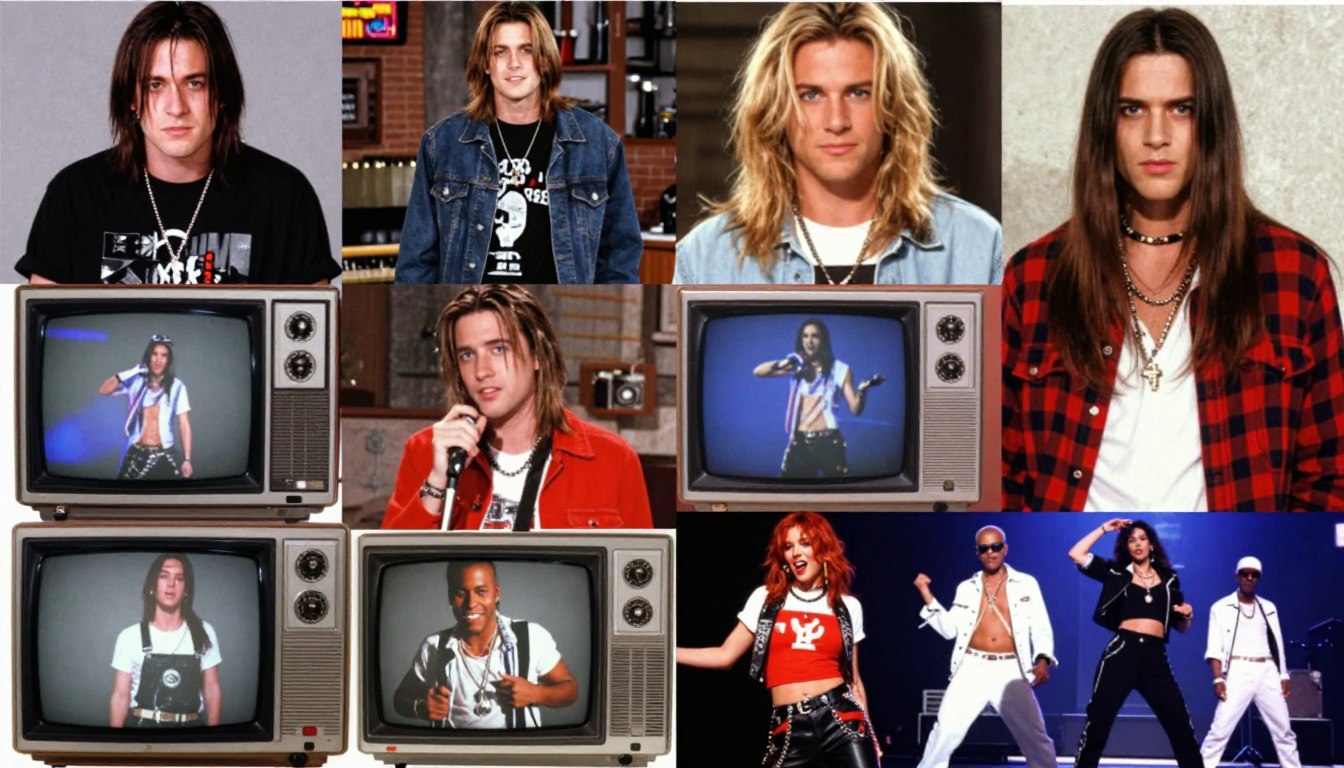

The 1990s transformed music video into genuine art. Directors like David Fincher, Spike Jonze, and Hype Williams pushed creative boundaries. MTV Video Music Awards became cultural events. Fashion statements emerged from every frame.
This decade produced videos that people still discuss today. These weren’t simple performance clips. They were mini-films with compelling stories and groundbreaking visual effects.
Each video on this list changed how artists connected with fans. Some launched director careers. Others defined entire musical movements. All remain unforgettable pieces of popular culture.
Love 90s Music?
Share your favourite memories from these iconic videos with friends who remember the MTV era. Which video brings back the strongest nostalgia?
1. Nirvana – Smells Like Teen Spirit (1991)
Director Samuel Bayer captured raw teenage rebellion in a high school gymnasium. The video for “Smells Like Teen Spirit” became the visual manifesto of grunge. Kurt Cobain’s performance radiated authentic angst.
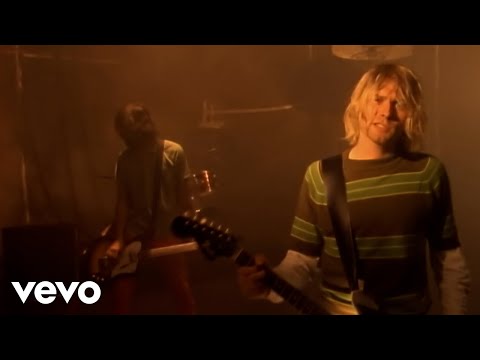
The cheerleaders wore anarchist symbols on their uniforms. Students moshed in organized chaos. Every shot felt spontaneous yet perfectly composed.
This single video shifted mainstream music forever. MTV played it constantly. The band went from underground heroes to global icons overnight.
Visual Innovation
Bayer used a distinctive colour palette. Washed-out tones created a gritty documentary feel. The lighting flickered like old gymnasium bulbs.
Camera movements felt deliberately unstable. This matched the song’s explosive energy. Traditional music video polish was completely abandoned.
Cultural Impact
The video defined Generation X aesthetics. Fashion brands copied the flannel and ripped jeans look. Apathy became cool.
MTV Video Music Awards recognized its brilliance. The video won Best New Artist and Best Alternative Video. Its influence extends to modern rock videos.

2. Missy Elliott – The Rain (Supa Dupa Fly) (1997)
Hype Williams created something nobody had seen before. Missy Elliott wore an inflated trash bag suit. The fisheye lens distorted reality in mesmerizing ways.
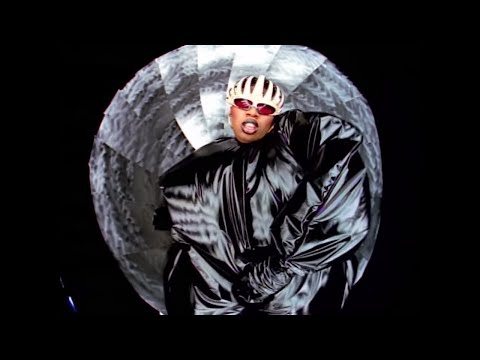
This debut single video announced a revolutionary artist. Elliott’s confidence filled every frame. The futuristic aesthetic pushed hip-hop visuals into new territory.
Williams’ signature style dominated throughout. Shiny surfaces reflected light in hypnotic patterns. The video felt like science fiction meets street fashion.
Director Hype Williams’ Signature Style
Williams revolutionized hip-hop video aesthetics in the 1990s. His fisheye lens became instantly recognizable. Reflective materials and bold colours defined his visual language.
The director worked with nearly every major hip-hop artist of the decade. Each video featured his distinctive chromatic approach. His influence shaped an entire generation of music video directors.
Elliott’s choreography matched the video’s innovative spirit. Dancers moved in synchronized futuristic formations. Every movement reinforced the song’s otherworldly production.
The fashion statement was immediate. That trash bag suit became iconic overnight. Designers still reference it in contemporary runway shows.
3. Beastie Boys – Sabotage (1994)
Spike Jonze directed a perfect parody of 1970s cop shows. The Beastie Boys became mustachioed detectives. The video felt like a lost television episode.
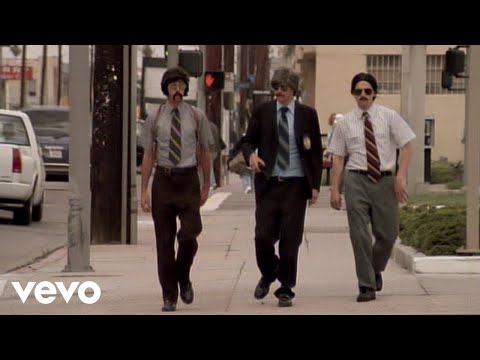
Every detail referenced vintage crime dramas. The group wore terrible disguises. Chase scenes unfolded with comedic intensity.
Never Miss Iconic Music Content
Subscribe to our newsletter for weekly doses of music history, rare footage discoveries, and deep dives into the videos that shaped generations.
Jonze filmed on grainy 16mm stock. This enhanced the retro television aesthetic. The band’s energy exploded through every scene.

The humor never overshadowed the song’s intensity. Both elements worked in perfect harmony. This balance made the video endlessly rewatchable.
Spike Jonze launched his film career partly through this success. His innovative approach to music video became his calling card. Directors still study his comedic timing and visual storytelling.
4. Björk – All Is Full of Love (1999)
Director Chris Cunningham crafted a stunning science fiction love story. Two robot versions of Björk kiss in a sterile factory. The visual effects were groundbreaking for the time.

Every frame looked like high-art cinema. The robots moved with graceful fluidity. Cunningham merged technology and emotion perfectly.
The white, clinical environment contrasted with profound intimacy. Assembly line robots experienced genuine connection. This juxtaposition created powerful emotional resonance.
Technical Achievement
The visual effects pushed 1990s capabilities to their limits. CGI merged seamlessly with practical effects. Each shot required meticulous planning and execution.
Cinematography captured both coldness and warmth. The lighting design was mathematically precise. Every technical choice served the emotional narrative.
Artistic Vision
Björk’s music demanded equally innovative visuals. Cunningham delivered a meditation on love and technology. The video won numerous international awards.
Critics praised its philosophical depth. Museum exhibitions featured the video as contemporary art. Its influence extends far beyond music video format.
5. Radiohead – Karma Police (1997)
Jonathan Glazer created a haunting revenge narrative. A car pursues a running man down an empty road. The tables turn in an explosive finale.

The single-take aesthetic built unbearable tension. Thom Yorke sang from the backseat. The pursued man’s desperation grew with every second.
Glazer’s cinematography was deliberately unsettling. The camera rarely moved. This stillness made the final moments more shocking.

The video’s minimalism matched Radiohead’s artistic approach. No elaborate sets or costumes distracted from the story. Pure cinematic narrative drove every decision.
This became one of the band’s most recognized videos. MTV Video Music Awards celebrated its innovative storytelling. Film students still analyze its narrative structure.
6. Jamiroquai – Virtual Insanity (1996)
Jonathan Glazer returned with a different kind of magic. Jay Kay danced across a moving floor. The walls shifted while the camera stayed fixed.

The technical illusion baffled viewers worldwide. How did the furniture slide? The practical effects created perfect disorientation.
Kay’s performance carried the entire concept. His dancing seemed effortless against the impossible physics. The white room became a surreal performance space.
How They Created the Moving Room Effect
The floor moved on hydraulic tracks rather than the walls. Kay stood still while the room shifted around him. This practical effect required precise choreography and timing.
The production team built a massive movable floor system. No computer effects were used for the main illusion. Everything happened in-camera through clever engineering.
MTV Video Music Awards showered the video with honours. It won four major categories including Video of the Year. The technical achievement set new standards for practical effects.
Directors still reference this video’s innovative approach. The single-room concept inspired countless imitations. None matched the original’s seamless execution.
7. Peter Gabriel – Sledgehammer (1986/MTV 1990s Legacy)
Though released in 1986, this video dominated 1990s MTV rotation. Stop-motion animation master Stephen Johnson created pure visual madness. Gabriel’s face transformed through countless surreal scenarios.
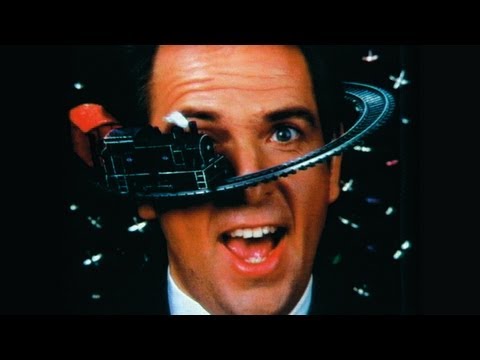
Fruit danced across the singer’s head. Fish flopped in rhythm. Clay animation merged with live action seamlessly.
Discover More Music Video History
Join thousands of music enthusiasts exploring the evolution of music video artistry. Get exclusive content, director interviews, and behind-the-scenes stories delivered monthly.
Every frame required painstaking stop-motion work. The production took months of detailed animation. Gabriel remained motionless for hours during filming.

The video won nine MTV Video Music Awards. This record stood for years. Its innovative animation techniques influenced an entire generation of directors.
MTV played it constantly throughout the 1990s. New audiences discovered its brilliance each year. The decade amplified its already legendary status.
8. Aphex Twin – Windowlicker (1999)
Director Chris Cunningham delivered deeply disturbing imagery. Women’s faces were digitally replaced with Richard James’ grinning visage. The hip-hop video parody became nightmare fuel.

The video began as a seemingly conventional rap pastiche. Men boasted beside expensive cars. Then reality twisted into something profoundly unsettling.
Cunningham’s technical mastery made the face-swapping eerily convincing. The uncanny valley effect was intentional and powerful. Every transformation provoked visceral reactions.
Subversive Commentary
The video satirized hip-hop video clichés. Luxury cars and objectification were exaggerated grotesquely. Cunningham and Aphex Twin deconstructed music video conventions.
The social commentary remained deliberately ambiguous. Multiple interpretations emerged from critics. This complexity elevated it beyond simple shock value.
Technical Innovation
Facial mapping technology was cutting-edge for 1999. The seamless digital effects required expensive post-production. Every frame demonstrated technical mastery.
The video pushed boundaries MTV wouldn’t normally accept. Its artistic merit justified the disturbing content. Critics recognized its innovative approach immediately.
9. Fatboy Slim – Weapon of Choice (2001/Late 90s Production)
Spike Jonze reunited with Christopher Walken for magic. The actor danced through an empty hotel with supernatural grace. His performance defied expectations completely.

Walken’s choreography blended elegance with strangeness. He tap-danced, spun, and eventually flew. The single-location concept created intimate spectacle.
Jonze’s direction let Walken’s performance breathe. Long takes captured his complete movements. The cinematography was deceptively simple yet perfectly executed.

The video won six MTV Video Music Awards. Walken’s performance became his most iconic outside of film. The unexpected casting choice proved absolutely brilliant.
Musicians and directors still praise its simplicity. One location, one performer, perfect execution. This restraint made the video unforgettable.
10. OK Go – Here It Goes Again (2006/Late 90s Aesthetic Roots)
Though released in 2006, this video exemplified 1990s DIY spirit. The band choreographed complex treadmill dancing. Everything was captured in a single take.
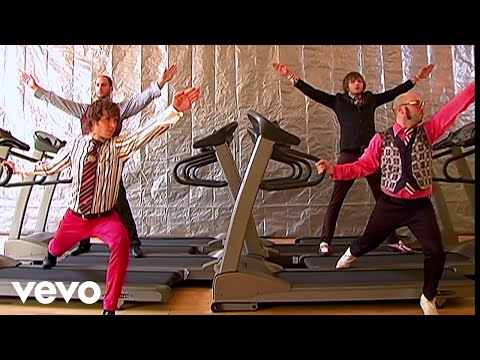
Eight treadmills became the entire set. The choreography required perfect timing. One mistake would ruin the entire take.
The video embraced lo-fi production values. No expensive effects or elaborate sets distracted from pure creativity. This approach echoed the best 1990s independent music videos.
The DIY Revolution in Music Videos
The 1990s proved expensive production wasn’t always necessary. Creativity and concept could triumph over budget. This video became the ultimate expression of that philosophy.
OK Go built their entire brand on innovative low-budget videos. Their approach inspired countless independent artists. The treadmill video went viral before viral was commonplace.
MTV Video Music Awards recognized its ingenuity. The video won Best Short Form Music Video. Its YouTube success demonstrated changing media consumption patterns.
The Lasting Impact of 1990s Music Videos
These videos transformed directors into stars. David Fincher moved to blockbuster films. Spike Jonze became an acclaimed filmmaker. The decade launched numerous creative careers.

Fashion trends emerged directly from music video. Designers watched MTV religiously. Street style evolved through visual music culture.
The MTV Video Music Awards reached peak cultural relevance. Winners gained genuine prestige. The ceremony itself became appointment television.
Technical Evolution
Computer effects advanced rapidly through music video experimentation. Directors pushed technology to its limits. Each innovation influenced film and television production.
The transition from analog to digital happened visibly. Early CGI experiments appeared alongside traditional techniques. This decade documented technological transformation.
Cultural Influence
Music videos shaped how people experienced popular music. Visual interpretation became inseparable from songs. Artists needed strong visual identities to succeed.
The decade proved music video was legitimate art. Museums began collecting and exhibiting videos. Academic study of the medium intensified significantly.
YouTube eventually disrupted MTV’s dominance. But the 1990s established music video’s creative possibilities. Modern directors still reference this golden era.
Directors Who Shaped 1990s Music Video
David Fincher brought cinematic precision to every frame. His work with Madonna and Aerosmith set new visual standards. Fight Club and Seven grew from his music video expertise.
Spike Jonze mixed humor with genuine artistry. His collaborations with Beastie Boys and Fatboy Slim became cultural touchstones. Being John Malkovich emerged from his music video sensibility.

Hype Williams revolutionized hip-hop visuals completely. His fisheye lens and chrome aesthetic defined an entire genre. Every rapper wanted Williams to direct their video.
Mark Romanek crafted emotionally resonant visual narratives. His Nine Inch Nails and Johnny Cash videos demonstrated music video’s dramatic potential. One Hour Photo showcased his feature film capabilities.
Michel Gondry invented impossible visual tricks. His work with Björk and The White Stripes bent reality playfully. Eternal Sunshine of the Spotless Mind grew from these experiments.
Technical Breakthroughs That Changed Everything
Computer-generated imagery became affordable for music video budgets. Early experiments looked primitive by modern standards. But they opened entirely new creative possibilities.
Motion control cameras allowed impossible repeatable movements. Directors could plan shots with mathematical precision. This technology enabled increasingly complex visual concepts.
Digital Editing Revolution
Non-linear editing systems transformed post-production. Avid and similar platforms replaced tape-to-tape editing. Directors could experiment freely without expensive consequences.
Effects that once required optical printing became software operations. The timeline between shooting and completion shortened dramatically. Creative iteration became economically feasible.
Camera Technology Advances
Lightweight cameras enabled handheld documentary styles. Steadicam rigs created smooth flowing movements. Each technical improvement expanded visual vocabulary.
Film stocks improved in light sensitivity and colour rendition. Directors could shoot in challenging conditions previously impossible. Technical limitations gradually disappeared.
Visual Effects Integration
Compositing software allowed seamless layer combinations. Green screen work became increasingly sophisticated. The line between practical and digital effects blurred.
Morphing technology created fluid transformations between images. This effect appeared in countless videos. Its overuse eventually made it a dated period marker.
These innovations democratized music video production gradually. Independent artists could achieve professional-looking results. The barrier to entry lowered throughout the decade.
The Economics Behind 1990s Music Videos
Major label budgets reached unprecedented heights. Michael Jackson’s “Scream” cost seven million dollars. These investments reflected music video’s marketing importance.
Record companies treated videos as essential promotional tools. Radio play alone couldn’t break new artists. MTV rotation was crucial for commercial success.

Production companies specialized in music video exclusively. These studios employed permanent creative teams. The industry supported thousands of jobs globally.
Budget Range Breakdown
Low-budget videos: £10,000-£50,000 for independent or developing artists
Mid-range videos: £50,000-£200,000 for established mainstream acts
High-budget videos: £200,000-£500,000 for major label priority releases
Blockbuster videos: £500,000+ for superstars and ambitious concept pieces
Marketing departments justified expenses through chart performance correlation. Videos demonstrably increased single sales. The return on investment seemed clear.
Independent artists found creative low-budget solutions. Spike Jonze’s early work proved concept trumped production value. Innovation flourished at every budget level.
MTV’s Peak Cultural Influence
The network reached into hundreds of millions of homes. MTV shaped youth culture globally. Its programming decisions made or broke careers.
The MTV Video Music Awards rivaled the Grammys in importance. Performers created shocking moments deliberately. Madonna, Michael Jackson, and Nirvana provided unforgettable ceremonies.
Programming Power
Rotation schedules determined hit potential. Heavy rotation guaranteed commercial success. Artists desperately sought MTV support.
VJs became celebrities in their own right. Their personalities shaped viewer experience. MTV created an entire entertainment ecosystem.
Global Reach
International MTV channels adapted local music. The format proved universally appealing. Music video culture became truly global.
European and Asian markets developed distinct video styles. Cross-cultural influences enriched the medium. MTV facilitated worldwide creative exchange.
Reality programming gradually displaced music content. The decade’s end marked the beginning of MTV’s transformation. Music videos would never again hold such cultural centrality.
How Different Genres Approached Music Video
Grunge bands embraced raw, unpolished aesthetics. Performance footage dominated their videos. The anti-corporate stance extended to visual presentation.
Hip-hop videos celebrated luxury and success visually. Hype Williams’ shiny surfaces became the genre standard. Cars, jewelry, and fashion took center stage.

Electronic music videos explored abstract visual concepts. Directors like Chris Cunningham created surreal dreamscapes. The genre allowed maximum creative experimentation.
Pop music maintained glossy, choreography-focused productions. Dance routines remained essential. Videos balanced commercial appeal with artistic ambition.
The Enduring Legacy of 90s Music Videos
These ten videos represent a golden age. Directors and artists collaborated as equals. The results transcended simple promotion.
Modern music videos still reference 1990s innovations. The decade’s visual language remains influential. Directors study these classics for inspiration.
Streaming platforms preserve these cultural artifacts. New generations discover their power. The nostalgia factor grows stronger yearly.

MTV Video Music Awards may have diminished in importance. But these videos achieved something permanent. They proved music video could be genuine art.
Each entry on this list deserves multiple viewings. Details reveal themselves over time. The craftsmanship remains impressive decades later.
The 1990s will never be repeated creatively. That specific intersection of technology, budget, and cultural attention was unique. We’re fortunate these masterpieces survive.
Keep Exploring Music History
These videos are just the beginning. Discover deep dives into music video evolution, director profiles, and behind-the-scenes stories. Join our community of music enthusiasts.

