Blog
Top 10 Music Videos from the 2000s: The Iconic Clips That Defined a Generation

The 2000s transformed music videos from simple promotional tools into groundbreaking art forms. This decade gave us visual masterpieces that pushed creative boundaries and redefined what a music video could be. Directors like Michel Gondry, Spike Jonze, and Joseph Kahn elevated the medium to cinematic heights.
We witnessed the birth of YouTube in 2005, forever changing how we consumed music videos. Suddenly, these clips became viral sensations shared across the globe. Artists seized this new power to craft unforgettable visual narratives that lived beyond television screens.
From Lady Gaga’s theatrical pop spectacles to the White Stripes’ minimalist brilliance, the 2000s offered unprecedented diversity. Dance choreography reached new peaks. Special effects became more ambitious. Animation merged with live action in ways we’d never seen before.
This decade bridged the gap between MTV’s golden era and the digital streaming age. We’re counting down the clips that defined this transformative time in music history. These videos didn’t just accompany songs—they became cultural phenomena in their own right.
1. Lady Gaga - "Bad Romance" (2009)

Lady Gaga’s “Bad Romance” video arrived in 2009 and immediately redefined pop music videos for a new era. Director Francis Lawrence crafted a futuristic nightmare that perfectly matched Gaga’s avant-garde vision. The video became an instant cultural phenomenon, racking up millions of views within days.
The clip opens with Gaga emerging from a white coffin-like pod. We see her surrounded by models in a stark white room. The imagery is deliberately unsettling yet captivating. Each frame feels meticulously designed to shock and mesmerize simultaneously.
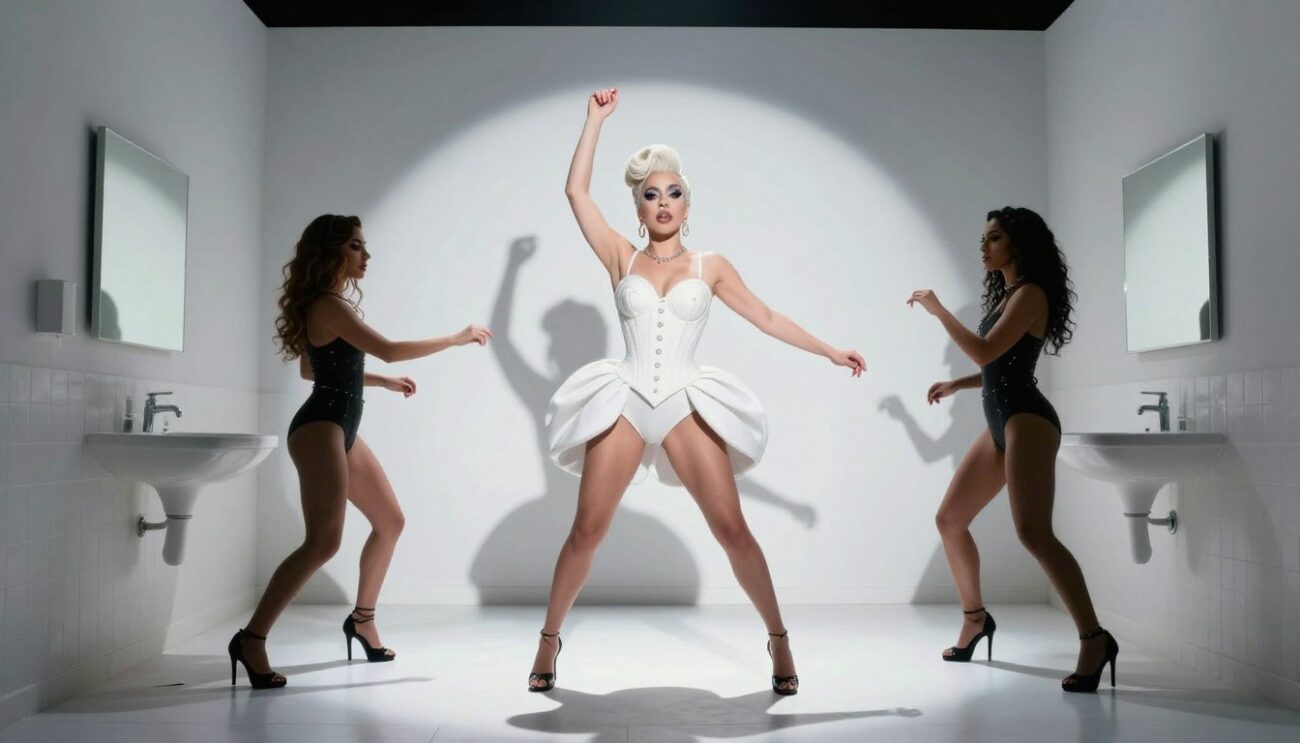
The choreography became instantly iconic. Gaga’s claw-like hand movements and jerky dance sequences spawned countless imitations. Her backup dancers moved with robotic precision that enhanced the video’s dystopian atmosphere. This wasn’t just dancing—it was performance art.
Fashion played a central role in the video’s impact. Gaga wore outfits by Alexander McQueen, Giorgio Armani, and other high-fashion designers. The razor-blade glasses became one of pop culture’s most memorable accessories. Every costume change told part of the disturbing narrative.
Visual Innovation
The video’s visual effects were groundbreaking for 2009. CGI enhanced rather than dominated the practical effects. The bathtub scene where Gaga is surrounded by mirrors created infinite reflections that disoriented viewers.
Lawrence used high-contrast lighting to create dramatic shadows. The color palette shifted from sterile whites to golden warmth to fiery reds. Each section of the video had its own distinct visual language.
Cultural Impact
MTV Video Music Awards crowned it Video of the Year in 2010. The clip won seven awards that night, cementing its place in music video history. Critics praised its artistic ambition and willingness to disturb comfortable audiences.
The video’s themes of human trafficking and forced prostitution sparked important conversations. Gaga wasn’t afraid to tackle dark subject matter in mainstream pop. This bravery inspired a generation of artists to push boundaries.
The production design deserves special recognition. The bath house scene featured elaborate set pieces that looked like futuristic art installations. Gaga and her team created a complete world that felt both alien and uncomfortably familiar.
“Bad Romance” proved music videos could still compete with cinema in terms of artistic vision. It arrived at the perfect moment when YouTube allowed it to reach global audiences instantly. The video has accumulated over a billion views, becoming one of the platform’s most-watched clips.

This video marked a turning point in pop music videos. It showed that mainstream artists could embrace weirdness without sacrificing commercial success. Gaga’s fearless creativity opened doors for experimental pop artists who followed.
2. OK Go - "Here It Goes Again" (2006)
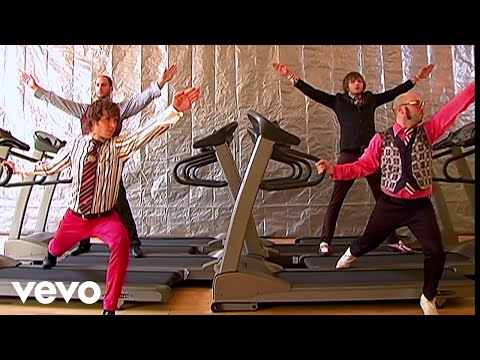
OK Go revolutionized viral music videos with their treadmill choreography masterpiece. “Here It Goes Again” became YouTube’s breakout music video success story. The band filmed it in lead singer Damian Kulash’s sister’s backyard on a tiny budget.
Eight treadmills arranged in two rows became the stage for an incredible dance routine. The band members executed perfectly timed movements that defied expectation. They jumped between machines, spun on moving belts, and created optical illusions through positioning.
The genius lay in its simplicity. No special effects. No fancy editing. Just one continuous shot of four guys doing something seemingly impossible. This stripped-down approach made the video feel accessible and authentic.

Choreographer Trish Sie spent months perfecting the routine. The band rehearsed for weeks to nail the timing. They had to account for the treadmills’ speeds and the physics of jumping between moving surfaces. One wrong move could result in serious injury.
Viral Success Story: The video was uploaded to YouTube in July 2006 and quickly became one of the platform’s first viral sensations. It won a Grammy Award for Best Short Form Music Video in 2007, legitimizing YouTube as a serious platform for music video distribution.
The band shot the video 17 times before achieving the perfect take. Each attempt required intense physical stamina and mental focus. The final version runs 3 minutes and 4 seconds of pure, uninterrupted choreography.
Innovation Through Limitation
OK Go proved you didn’t need big budgets to create memorable music videos. Their DIY approach inspired countless artists to think creatively. The video cost less than $5,000 to produce yet generated millions in publicity.
The treadmill concept was born from financial necessity. The band couldn’t afford elaborate sets or special effects. They turned limitation into their greatest strength.
YouTube Era Pioneer
This video helped establish YouTube as the primary platform for music video consumption. It demonstrated how shareability could trump production value. Friends sent it to friends who sent it to more friends.
The video’s success changed how record labels thought about promotion. Suddenly, viral potential became more valuable than MTV airplay. OK Go became pioneers of the digital music video age.

The video’s influence extended beyond music. Advertising agencies studied its viral mechanics. Film schools analyzed its one-shot cinematography. It became a case study in how simple ideas executed brilliantly could captivate global audiences.
OK Go continued this tradition with subsequent videos, but “Here It Goes Again” remained their signature achievement. It captured lightning in a bottle at the exact moment when YouTube was emerging as a cultural force.
3. The Chemical Brothers - "Star Guitar" (2002)

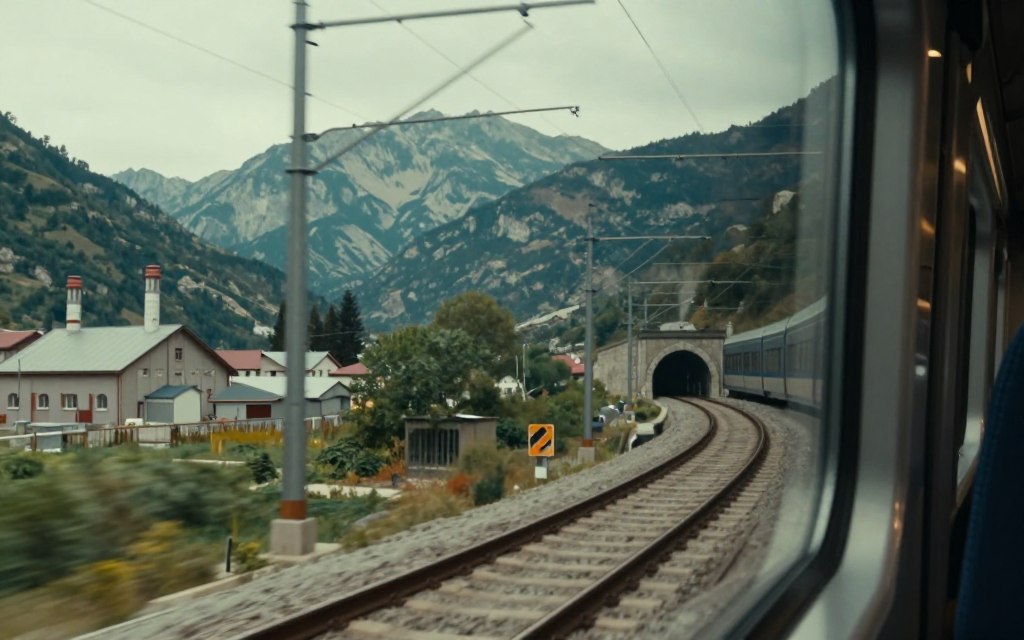
Michel Gondry created a mesmerizing visual symphony with the Chemical Brothers’ “Star Guitar.” The video follows a train journey through a landscape where everything synchronizes perfectly with the music. Buildings, power lines, and terrain features appear at exact moments to match the song’s beats and melodies.
The concept sounds simple, but the execution required mathematical precision. Gondry filmed the footage from a moving train in the French and Swiss Alps. He then meticulously choreographed how landscape elements would align with musical elements.

Telegraph poles pulse like hi-hats. Buildings appear to match basslines. The landscape becomes a visual representation of electronic music’s layered structure. Gondry transformed ordinary scenery into an instrument that you could see.
The director spent months planning the route and timing. He needed to find a location where natural and man-made features would occur at the right intervals. The Swiss Alps provided the perfect canvas with its mix of tunnels, bridges, and varying terrain.
What makes this video extraordinary is how naturally it flows. First-time viewers often don’t immediately notice the synchronization. The landscape seems to move organically. Only on repeated viewings does the mathematical precision become apparent.
Gondry’s genius lies in making complex ideas feel effortless. The video requires no explanation or narrative. It simply presents a hypnotic journey where sound and vision merge seamlessly. This approach perfectly matched the Chemical Brothers’ electronic music aesthetic.
The video won numerous awards including Best Video at the MTV Europe Music Awards. Critics praised its innovative approach to visualizing music. It demonstrated how music videos could be both intellectually stimulating and viscerally satisfying.
Film students still study “Star Guitar” for its meticulous planning and execution. The video proved that concept-driven work could achieve emotional resonance. Gondry created something that felt both mechanical and magical.
Director’s Vision: Michel Gondry is known for his inventive music videos that blend practical effects with creative concepts. He brought this same sensibility to films like “Eternal Sunshine of the Spotless Mind,” but “Star Guitar” remains one of his most purely conceptual achievements.
The Chemical Brothers trusted Gondry’s vision completely. They gave him creative freedom to realize his concept. This collaboration between artist and director produced one of the decade’s most intellectually satisfying music videos.
4. The White Stripes - "Fell in Love with a Girl" (2002)
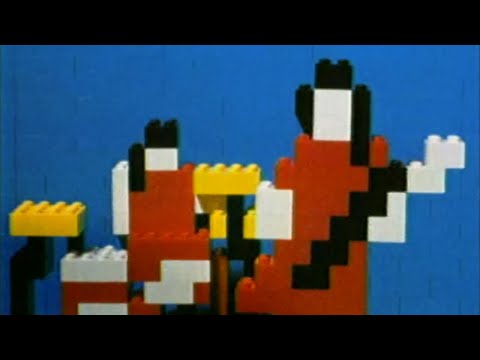
Michel Gondry struck gold again with the White Stripes’ “Fell in Love with a Girl.” The director animated the entire video using LEGO bricks. Each frame was painstakingly constructed and photographed to create stop-motion animation that perfectly captured the song’s raw energy.
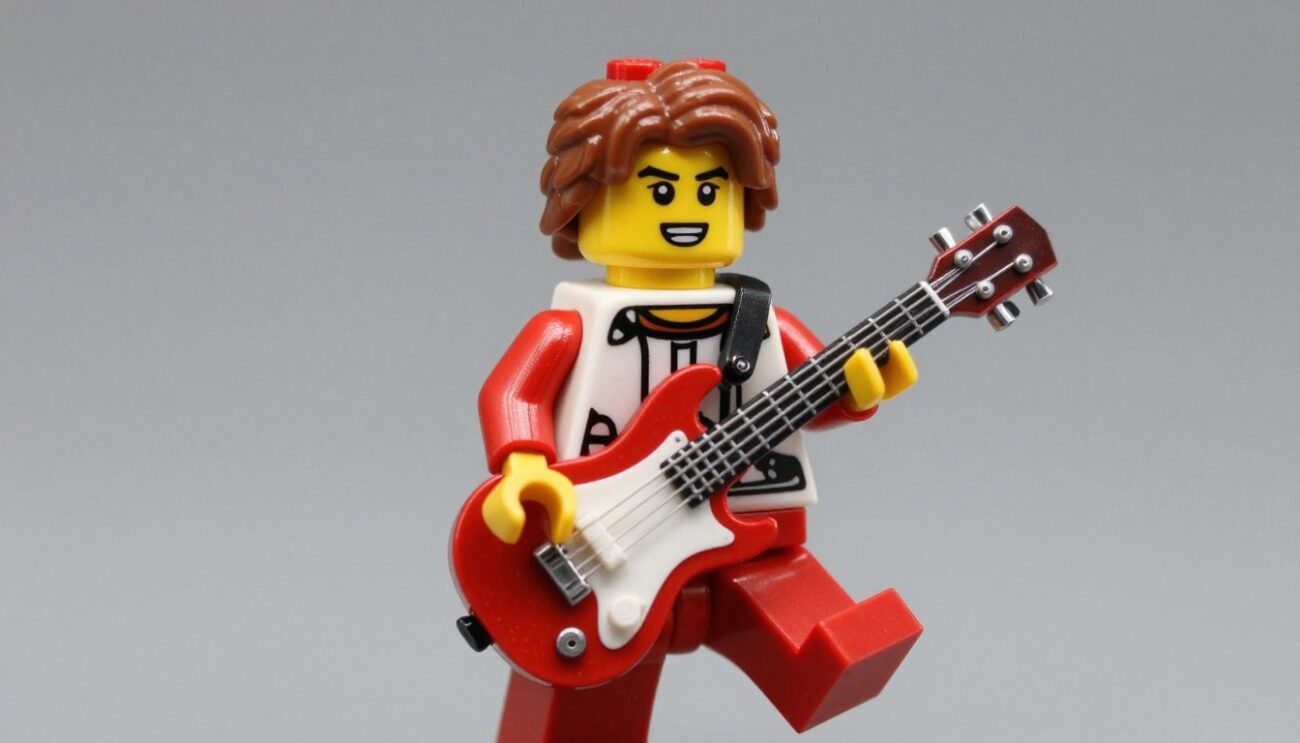
The video recreated Jack and Meg White’s performance entirely in blocky LEGO form. Gondry’s team built miniature LEGO versions of the band members, their instruments, and the entire set. They then photographed thousands of frames, moving the pieces slightly between each shot.

The aesthetic perfectly matched the White Stripes’ stripped-down garage rock sound. LEGO’s chunky, primary-colored blocks mirrored the band’s minimalist approach to music. Form and content achieved perfect harmony.
Production took weeks of meticulous work. The team had to maintain consistency across thousands of frames. They needed to ensure smooth movement while preserving LEGO’s distinctive blocky quality. The balance between fluidity and choppiness was deliberate and precise.
Technical Achievement
Stop-motion animation is one of the most labor-intensive video techniques. Each second of footage requires 24 individual frames. For a three-minute video, that meant constructing and photographing over 4,000 unique LEGO configurations.
The team had to account for LEGO’s physical limitations. Certain movements that would be simple in traditional animation became complex puzzles. They turned these constraints into artistic choices.
Cultural Impact
The video won three MTV Video Music Awards including Breakthrough Video. It sparked renewed interest in stop-motion animation for music videos. LEGO itself benefited from the association with cool indie rock.
The clip introduced the White Stripes to mainstream audiences. MTV placed it in heavy rotation. The band’s raw garage rock suddenly had a playful, accessible visual representation.
Gondry chose LEGO specifically for its universal appeal. Everyone has memories of playing with these bricks. The video tapped into childhood nostalgia while maintaining artistic credibility. This combination made it irresistible to both indie rock fans and casual viewers.
The song itself is barely two minutes long. Its brevity made the video even more impactful. There was no filler, no wasted moments. Every second delivered pure visual and sonic punch.
“Fell in Love with a Girl” demonstrated how the right visual concept could amplify a song’s message. The LEGO animation didn’t just accompany the music—it became inseparable from it. Fans couldn’t imagine the song without those blocky red and white images.
The video’s success proved that innovation trumped budget. LEGO bricks cost a fraction of CGI or elaborate sets. Yet the final product felt more creative and memorable than most big-budget productions.
5. Beyoncé - "Single Ladies (Put a Ring on It)" (2008)
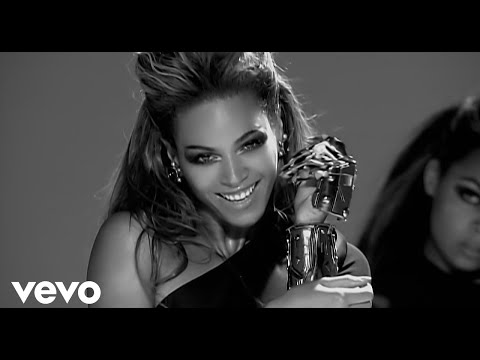
Beyoncé’s “Single Ladies” became one of the most imitated and parodied music videos of all time. Director Jake Nava created a deceptively simple concept—three women performing synchronized choreography against a white backdrop. The execution turned simplicity into iconic cultural moment.
The video was filmed in black and white using a minimal set. Beyoncé flanked by two backup dancers performed the entire routine in what appeared to be a single continuous take. The stark aesthetic placed total focus on the choreography and performance.

Choreographer JaQuel Knight created moves that became instantly recognizable. The hand flip. The hip thrust. The arm wave. These movements spread across the globe through YouTube tutorials and fan recreations. The dance became a cultural language unto itself.
The video actually consists of several takes seamlessly edited together. But Nava made it feel like one unbroken performance. This created an sense of virtuosity and stamina that added to Beyoncé’s superstar mystique.
Strengths
- Instantly memorable choreography that sparked global dance craze
- Minimalist aesthetic that focused attention on performance
- Black and white cinematography created timeless quality
- Accessible dance moves that fans could learn and recreate
- Empowering message that resonated with audiences worldwide
Limitations
- Simple set design offered limited visual variety
- Repetitive movements could feel monotonous on repeated viewing
- Minimal narrative or storyline beyond pure dance
- Relied heavily on Beyoncé’s star power and charisma
The video’s viral success was unprecedented. Countless celebrities filmed themselves doing the routine. Justin Timberlake’s SNL parody became a classic. Even former President Obama referenced the video. “Single Ladies” transcended music to become a genuine pop culture phenomenon.
Fashion played a subtle but important role. Beyoncé wore a simple black leotard with metallic glove. This stripped-down look emphasized movement over costume. It also made the video instantly recognizable even in silhouette.

MTV Video Music Awards named it Video of the Year in 2009. The moment when Taylor Swift’s acceptance speech was interrupted by Kanye West became one of the most talked-about incidents in awards show history. This controversy only amplified the video’s cultural impact.
The choreography’s influence extended far beyond music videos. It appeared in commercials, TV shows, and movies. Wedding receptions and dance studios taught the routine. “Single Ladies” became a shared experience across demographics.
Nava’s direction proved that less could indeed be more. By stripping away elaborate sets and effects, he created something pure and powerful. The video became a masterclass in letting performance speak for itself.
Beyoncé’s commitment to the choreography elevated the video from good to legendary. She and her dancers executed the moves with precision and energy that never flagged. This professional excellence made the seemingly simple concept extraordinary.
6. Fatboy Slim - "Weapon of Choice" (2001)

Spike Jonze directed one of the most surprising and delightful music videos of the 2000s. “Weapon of Choice” featured Christopher Walken dancing alone in a hotel lobby. The legendary actor, known for intense dramatic roles, revealed unexpected grace and humor through dance.
The video opens with Walken sitting in a deserted hotel reading a newspaper. As Fatboy Slim’s beat kicks in, he begins to move. What starts as small gestures builds into full-blown dancing complete with leaps, spins, and eventually flying through the air.
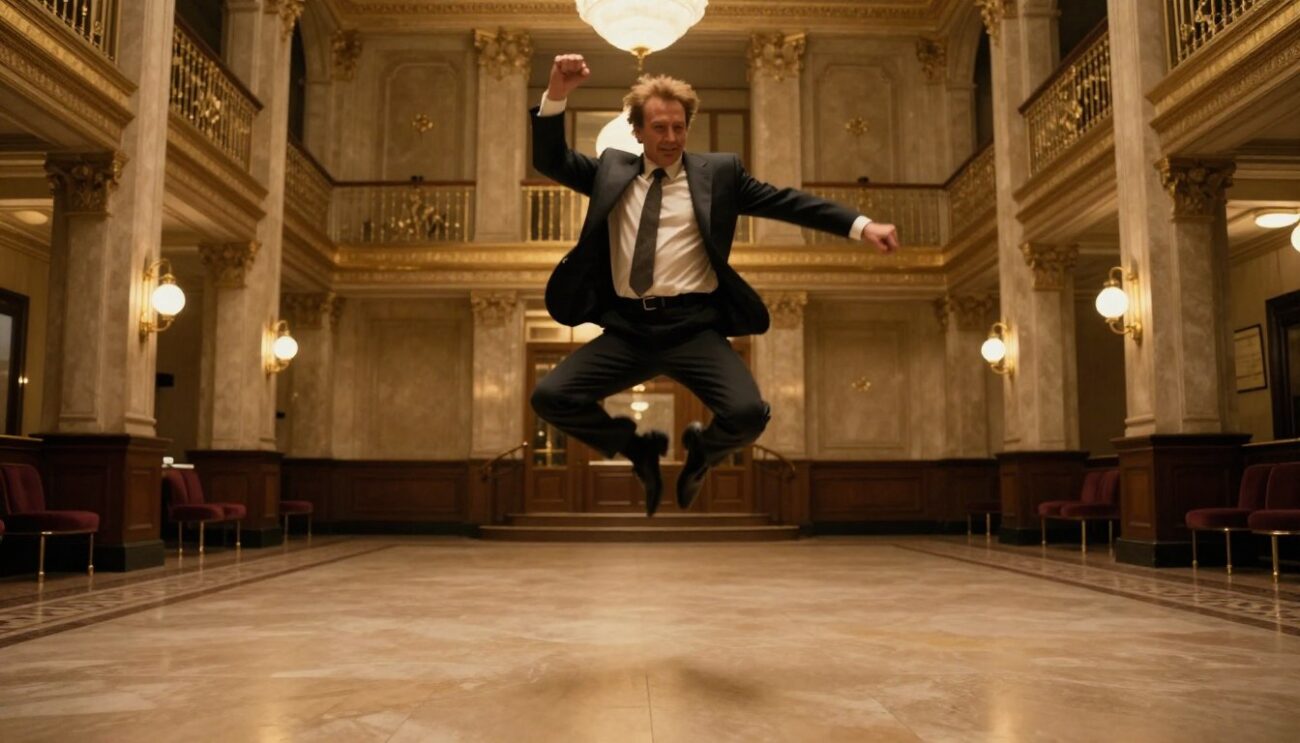
Walken’s casting was genius. His serious demeanor made the dancing even more magical. The disconnect between his tough-guy image and graceful movements created cognitive dissonance that was utterly charming. He committed fully to every move with deadpan intensity.
The choreography came from Walken’s own background as a trained dancer. Before his acting career, he studied dance and performed in musical theater. Jonze tapped into this hidden talent, creating a video that surprised even Walken’s longtime fans.
“I remember hearing the song, and I just thought it was great. I thought it would be fun, and it was fun. The whole thing was very well done.”
— Christopher Walken on filming “Weapon of Choice”
The hotel setting provided perfect atmosphere. Empty corridors and lobbies gave Walken space to move. The architecture’s grandeur contrasted beautifully with the video’s playful spirit. Jonze used the location’s natural lighting to create warm, inviting tones.
Wire work allowed Walken to appear to fly. The effect was deliberately visible rather than seamlessly integrated. This choice made the video feel more whimsical than trying to create realistic flight. The flying sequences became moments of pure joy.
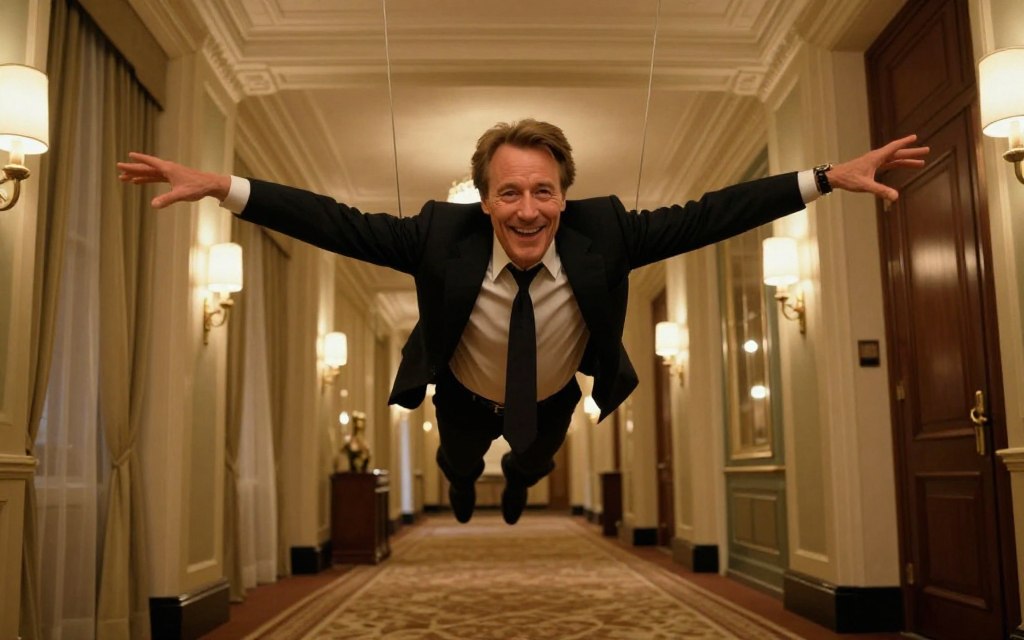
The video won six MTV Video Music Awards including Best Direction. It swept major categories and introduced a new generation to Walken’s versatility. The actor became an unlikely music video icon at age 57.
Behind the Scenes: Spike Jonze originally wanted Walken for another project before creating this concept specifically for him. The entire video was shot in the Los Angeles Marriott Downtown over two days. Walken performed all his own dancing and stunts with minimal body doubles.
Fatboy Slim’s track provided the perfect soundtrack for Walken’s performance. The song’s breakbeat energy matched the dancing’s unpredictable quality. Norman Cook’s production created space for movement without overwhelming the visual performance.
“Weapon of Choice” demonstrated how the right performer could transform a simple concept into art. Jonze’s direction was understated, letting Walken command attention. The collaboration between director, musician, and actor produced something none could have achieved alone.
The video’s influence extended into pop culture. Walken’s dancing became a meme before memes dominated internet culture. The image of this serious actor leaping through the air with childlike abandon captured something universally appealing about letting go and having fun.
7. Kylie Minogue - "Come Into My World" (2002)

Michel Gondry makes his third appearance on this list with Kylie Minogue’s mesmerizing “Come Into My World.” The video features Kylie walking around a Paris block while copies of herself progressively multiply. Each loop adds new layers of Kylie and various characters who inhabit the neighborhood.
The concept plays with time and repetition in fascinating ways. The first loop shows Kylie alone walking around the block. The second loop adds another Kylie slightly offset in time. By the fourth loop, four Kylies move through the space alongside repeated versions of passersby.
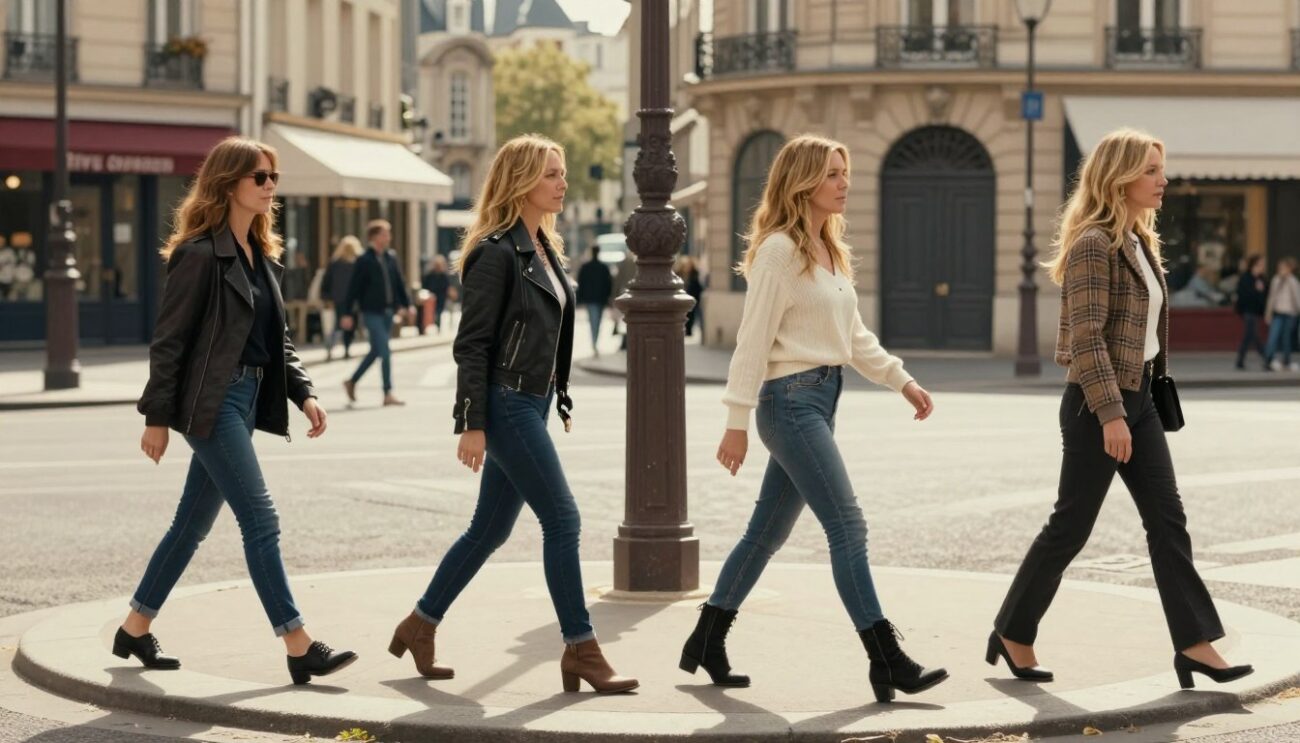
Gondry achieved this effect through painstaking planning and execution. The camera followed an identical path around the block for each loop. Every extra and vehicle had to perform their movements precisely the same way multiple times. The synchronization required was extraordinary.
What appears effortless on screen required weeks of choreography. Gondry mapped out every person’s movements down to the second. Each loop had to align perfectly with previous takes. The precision necessary to pull this off was astronomical.
Technical Innovation
The video predated modern motion control technology that would make such effects easier. Gondry used a camera mounted on a car that followed the exact same path at the same speed for each take. Any deviation would have ruined the illusion.
Timing markers helped actors hit their positions precisely. The team used stopwatches and practiced extensively. Even slight variations in walking speed could throw off the entire carefully constructed system.
Artistic Achievement
The video won numerous awards including Best Video at the MTV Europe Music Awards. It showcased Gondry’s ability to create complex effects that served the song’s themes. The repeating Kylies visualized the song’s cyclical, obsessive qualities.
The Paris location added romantic charm. Gondry captured the neighborhood’s authentic character. Local residents became part of the video’s fabric, creating a lived-in feeling that grounded the fantastic elements.
Critics praised the video’s mathematical elegance. It presented a puzzle that rewarded multiple viewings. Each loop revealed new details and interactions between the multiplying elements.

Kylie herself appears unfazed by her multiplying presence. She walks casually, occasionally acknowledging her other selves with subtle glances. This understated performance let the concept shine without overacting or explaining the magic.
The video perfectly captured pop music’s cyclical nature. Songs loop their choruses and verses. Gondry made this musical structure visible. The repetition never felt monotonous because each layer added new complexity.
Gondry’s work on this video influenced countless directors who attempted similar multiplying-character effects. Few achieved the same elegance and precision. The video became a textbook example of concept-driven music video at its finest.
8. The Avalanches - "Frontier Psychiatrist" (2001)

The Avalanches created a gleefully absurd masterpiece with “Frontier Psychiatrist.” Directors Michael Hill, Leigh Marling, and Wayne Daly crafted a surreal narrative that matched the song’s sample-based chaos. The video unfolds like a fever dream in vintage Technicolor.
The clip tells the bizarre story of a psychiatric evaluation involving a troubled youth, his concerned family, and an increasingly unhinged psychiatrist. Characters break into coordinated dance numbers. A horse appears indoors. Delirium the turtle makes an appearance. Nothing makes rational sense yet everything feels perfectly choreographed.

The video’s visual style referenced classic Technicolor musicals. Saturated colors popped off the screen. Production design evoked the 1960s with period-accurate costumes and sets. This vintage aesthetic created nostalgic warmth that contrasted with the bizarre content.
Choreography played a crucial role. Characters performed synchronized movements that appeared spontaneous yet were clearly rehearsed. The dance sequences emerged organically from the narrative rather than stopping the action for separate performance numbers.
The song itself is built entirely from samples—snippets of dialogue, music, and sound effects. The video mirrored this collage approach through rapid editing and tonal shifts. Nothing stayed static for long. The pace matched the song’s frenetic energy.
Humor drives the video forward. Sight gags and absurd juxtapositions create constant delight. The psychiatrist’s increasingly bizarre questions. The family’s deadpan reactions. Delirium the turtle’s unexplained presence. Every element contributed to the gleeful chaos.
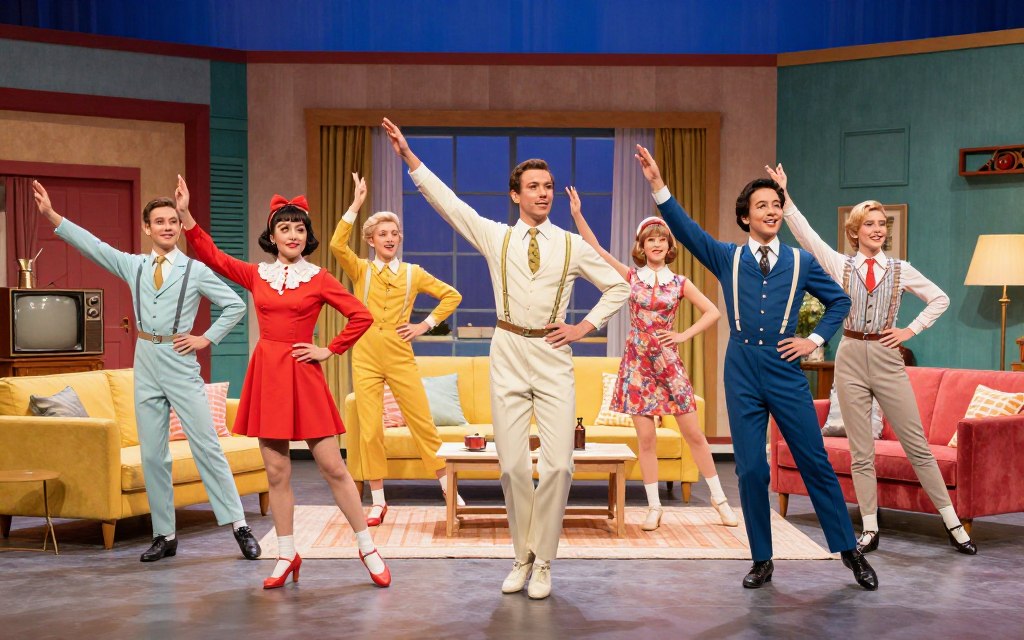
The directors didn’t try to explain the madness. They embraced confusion as part of the appeal. This confidence in the concept’s strength allowed viewers to simply enjoy the ride without demanding coherent narrative.
“Frontier Psychiatrist” became a cult favorite. Its quirky sensibility appealed to indie music fans who appreciated clever weirdness. The video gained new life through internet sharing, finding audiences who might never have seen it on television.
Cultural Context: The Avalanches’ debut album “Since I Left You” consisted entirely of samples from thousands of sources. “Frontier Psychiatrist” exemplified this approach, incorporating dialogue samples from educational records and obscure sources. The video’s collage aesthetic perfectly matched this musical philosophy.
Production values remained high despite the absurdist content. Sets were beautifully designed. Costumes were period-perfect. Cinematography captured the Technicolor aesthetic authentically. The team treated their ridiculous concept with total artistic seriousness.
This video proved that music videos could be genuinely funny without becoming novelties. The humor enhanced rather than diminished the artistic achievement. Decades later, “Frontier Psychiatrist” remains as delightfully weird as when it first appeared.
9. Johnny Cash - "Hurt" (2003)

Johnny Cash’s cover of Nine Inch Nails’ “Hurt” became a meditation on mortality and legacy. Director Mark Romanek crafted a devastatingly emotional video that many consider Cash’s epitaph. The clip intercuts footage of Cash in the present with archival material from his prime.
The video was filmed at Cash’s museum in Tennessee, which had fallen into disrepair. Water damage. Dusty exhibits. Faded photographs. These decaying surroundings became powerful metaphors for aging and loss. The once-vibrant museum mirrored Cash’s own physical decline.

Cash appears frail but dignified. His weathered face tells stories without words. When he closes the piano lid on younger images of himself, the gesture carries profound weight. We’re watching a legend confront his own mortality.
June Carter Cash appears briefly in the video. She would pass away just months after filming. Her presence adds another layer of heartbreak. The love between them is visible in a single glance. This would be their final appearance together.
Visual Poetry
Romanek used decaying flowers and spoiling fruit as visual metaphors. Grapes rotting in time-lapse. Roses wilting. These images punctuated Cash’s performance with reminders of impermanence. Beauty fades. Life ends. Art endures.
The color grading enhanced the somber mood. Desaturated tones created a timeless quality. The video existed outside any particular era, making it feel universal and eternal.
Emotional Impact
Cash died seven months after the video’s release. The clip became a final statement from one of music’s greatest voices. Fans and critics alike were moved to tears by its raw honesty.
Trent Reznor of Nine Inch Nails said the video gave the song back to Cash. The original writer felt Cash’s version became definitive. This speaks to the power of Cash’s interpretation and Romanek’s visual realization.
The editing creates powerful contrasts. Young Cash performing for thousands cuts to old Cash sitting alone. Energy and vitality meet exhaustion and reflection. These juxtapositions trace a life lived fully.

MTV named it one of the greatest music videos ever made. The Grammy Awards honored it. But statistics don’t capture the video’s true impact. It touches something deeper than awards can measure.
“Hurt” demonstrates music video’s capacity for genuine art. Romanek didn’t rely on gimmicks or effects. He simply pointed his camera at a dying man singing about pain and regret. The result transcends entertainment to become something sacred.
Cash’s voice cracks with emotion. His hands tremble. These imperfections make the performance more powerful. We witness vulnerability from a man who built a career on strength and toughness.
The video forces viewers to confront uncomfortable truths about aging and death. It offers no comfort or easy answers. Yet it ultimately affirms the value of artistic expression. Cash’s final statement was that the struggle to create matters even as everything else fails.
10. Missy Elliott - "Work It" (2002)
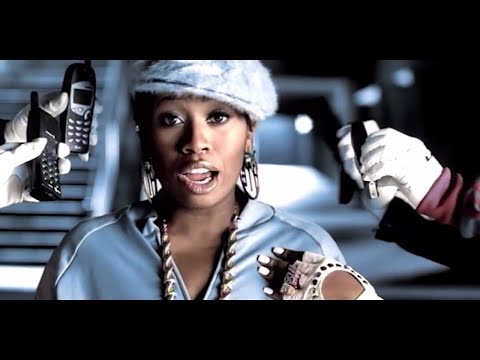
Missy Elliott and director Dave Meyers delivered a surreal, futuristic masterpiece with “Work It.” The video showcased Elliott’s fearless creativity and willingness to push visual boundaries. Every frame burst with innovative ideas that redefined what hip-hop videos could be.
The clip opens with Elliott emerging from a car’s hood in a trash bag suit. This immediately established the video’s commitment to weird, wonderful imagery. Nothing would be conventional. Every expectation would be subverted.
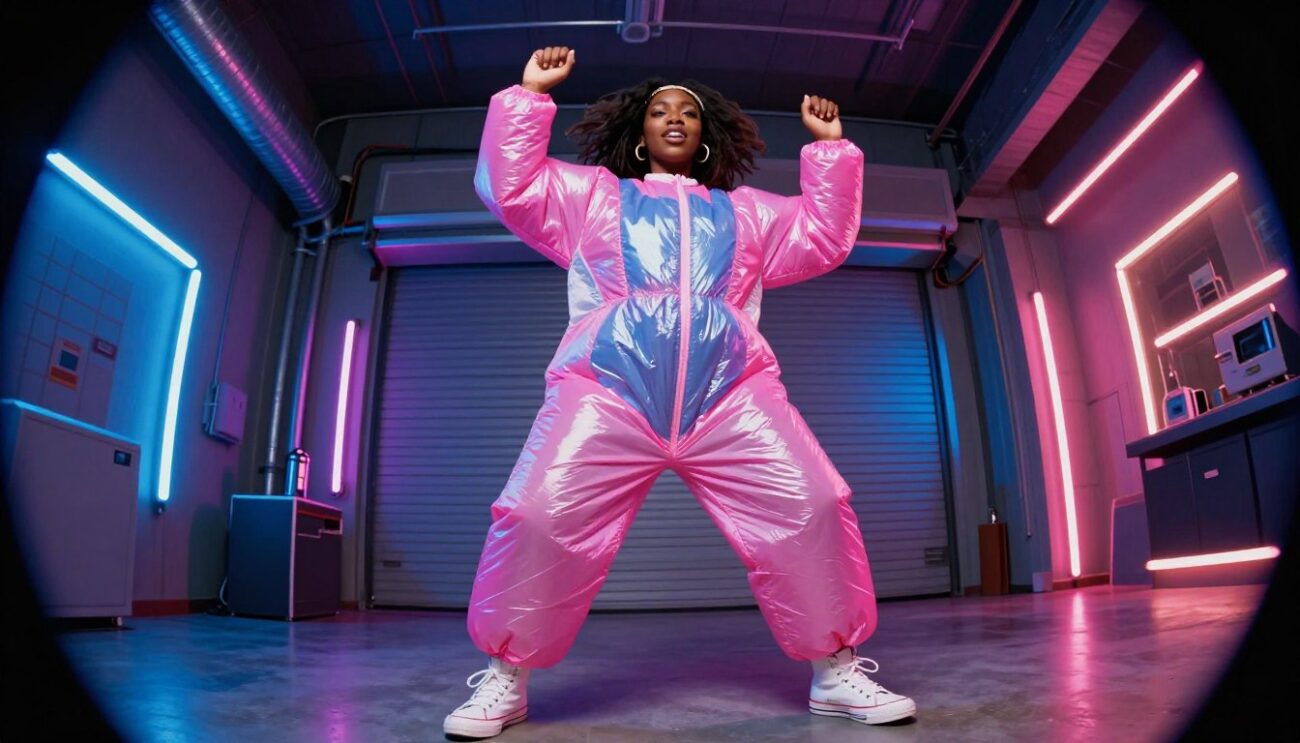
Visual effects were employed in unprecedented ways for hip-hop. Elliott’s head appeared oversized. Dancers moved with impossible fluidity. Perspective shifted and warped. Meyers used these techniques not as gimmicks but as artistic choices that enhanced the song’s otherworldly quality.
The choreography matched the video’s experimental spirit. Movements felt robotic yet somehow organic. Dancers isolated body parts in ways that seemed to defy anatomy. This created a distinctive visual language that became associated with Missy’s brand.
- Fisheye lens distortion creating surreal spaces
- Reverse footage used creatively throughout
- Bold color contrasts and neon lighting schemes
- CGI integration that enhanced rather than dominated
- Unconventional camera angles and perspectives
- Creative costume design as visual statement
Visual Innovations
- Redefined possibilities for female hip-hop videos
- Influenced fashion with futuristic aesthetic
- Established Missy as visual innovator
- Won Best Hip-Hop Video at MTV VMAs
- Set new creative standards for genre
- Inspired countless artistic homages and parodies
Cultural Impact
Fashion played a crucial role in the video’s impact. Elliott wore a series of outrageous outfits that rejected conventional beauty standards. The trash bag suit became iconic. Her confidence in wearing such bold looks empowered other artists to take risks.
The reverse footage technique created one of the video’s most memorable moments. Elliott appeared to rap backwards while moving forward. This visual trick required her to learn her verses backwards, then film them, then reverse the footage. The dedication to achieving the effect was remarkable.
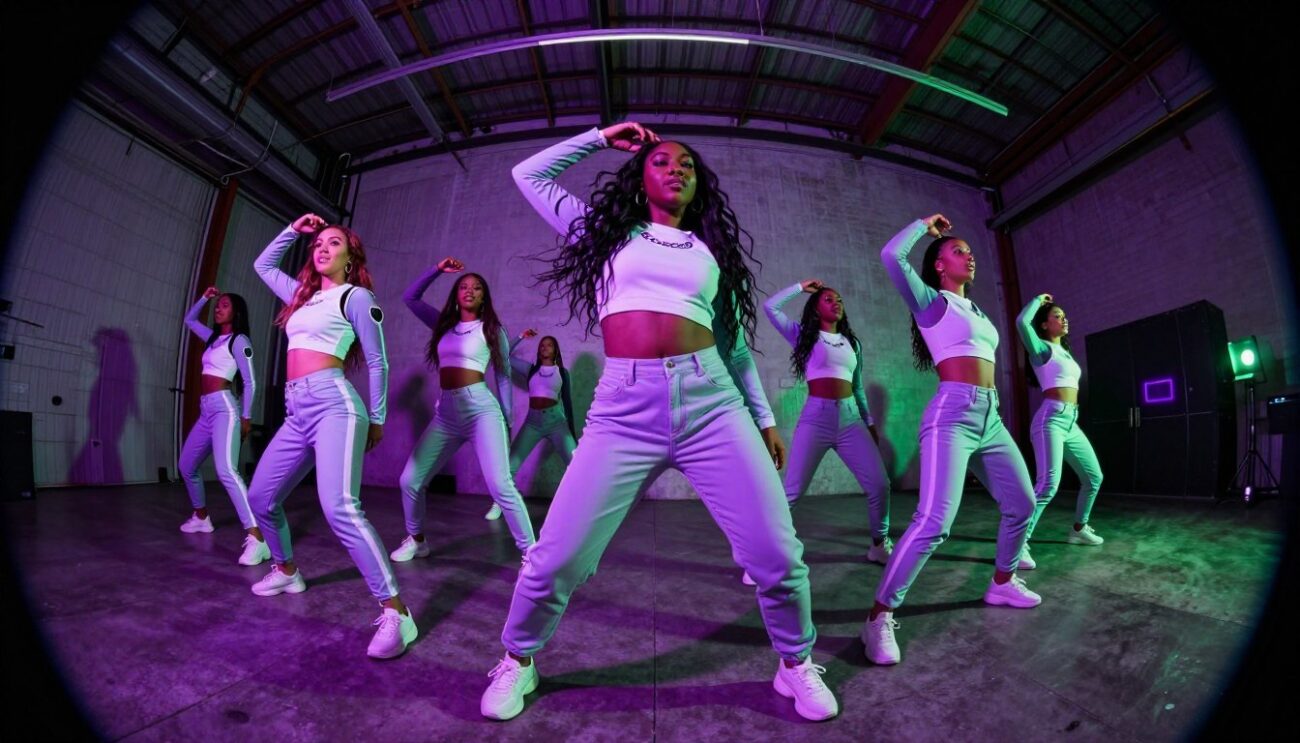
Multiple locations added variety without losing cohesion. A garage. A dance studio. A mysterious outdoor space. Each setting had its own visual language while maintaining the video’s overall aesthetic. Meyers created a complete visual world.
Elliott’s presence commanded every frame. She never competed with the visual effects. Instead, she used them to amplify her personality. Her confidence and charisma turned potentially distracting techniques into enhancements.
Production Innovation: Dave Meyers became one of the most sought-after music video directors partly due to his work on “Work It.” The video’s success demonstrated that hip-hop visuals could be as experimental as any art film while remaining commercially successful and culturally relevant.
“Work It” represented a peak moment in music video creativity. The video proved that commercial success didn’t require conventional approaches. Elliott and Meyers showed that audiences responded to genuine innovation and artistic vision.
The song’s playful sexuality found perfect visual expression. Elliott presented sensuality on her own terms without objectification. This empowered approach influenced a generation of female artists who followed.
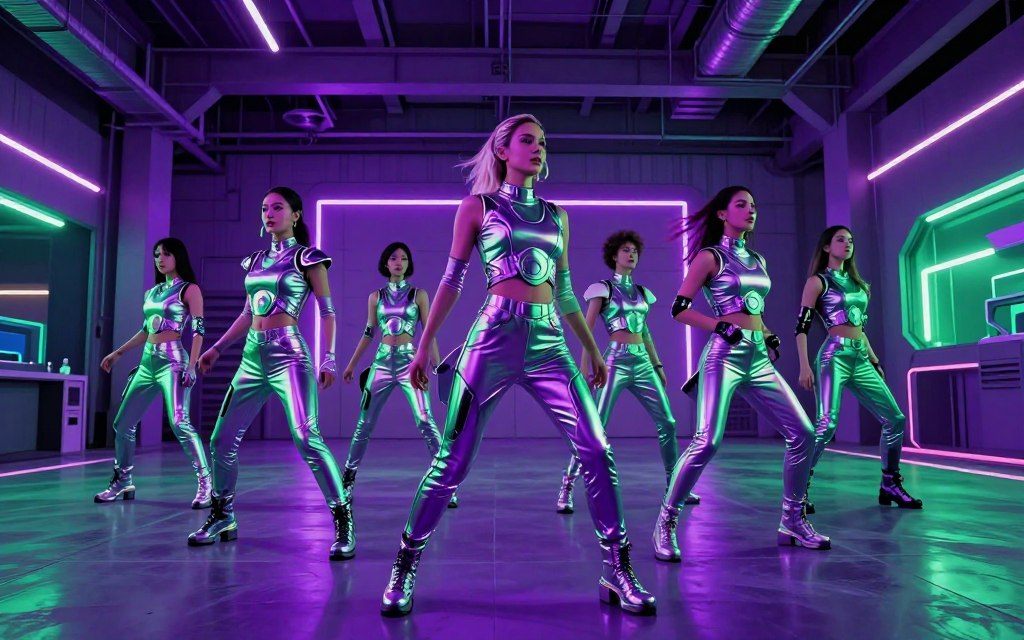
The video’s influence extended beyond music. Fashion designers referenced its aesthetic. Filmmakers studied its techniques. It became a cultural touchstone that defined early 2000s visual culture.
Two decades later, “Work It” remains fresh and innovative. The video hasn’t dated because it never chased trends. Elliott and Meyers created something genuinely original that exists outside time. That’s the mark of true artistic achievement.
How the 2000s Transformed Music Video Art
The 2000s represented a pivotal transition period for music videos. The decade began with MTV still holding significant cultural power. It ended with YouTube democratizing access and changing distribution forever. This shift fundamentally altered how artists approached visual storytelling.
Directors became stars in their own right during this era. Michel Gondry, Spike Jonze, and others achieved name recognition previously reserved for film directors. Their artistic visions elevated music videos to legitimate art form status. Critics began taking the medium seriously.
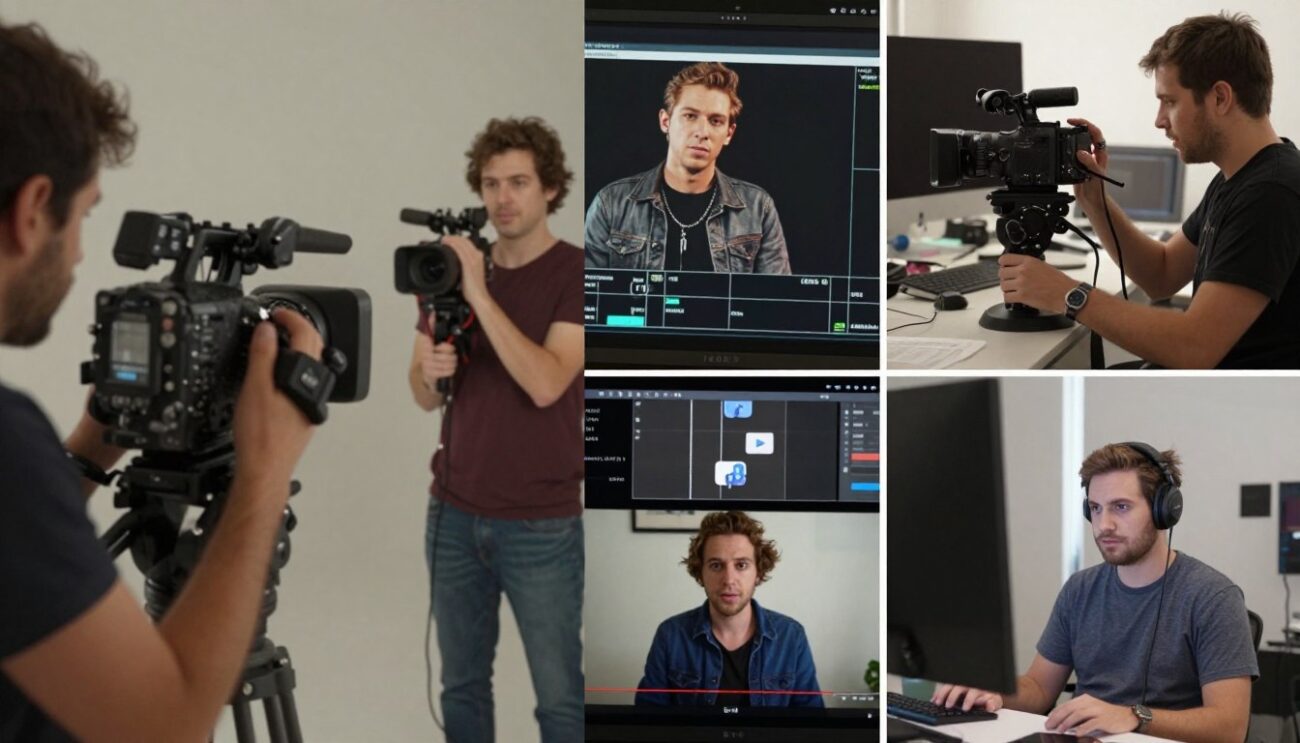
Technology advanced rapidly during this decade. CGI became more affordable and sophisticated. Digital cameras improved quality while reducing costs. These tools allowed directors to realize visions that would have been impossible or prohibitively expensive years earlier.
The rise of viral culture changed creative strategies. Directors started creating videos specifically designed to be shared. Concepts became more important than production budgets. OK Go proved that clever ideas could compete with big-budget spectacles.
Key Technological Shifts
Digital editing software made complex effects accessible. Final Cut Pro and After Effects democratized post-production. Directors could experiment with techniques that previously required expensive specialized equipment.
High-definition cameras improved image quality dramatically. Videos started looking more cinematic. This raised audience expectations and pushed directors to think bigger.
YouTube’s 2005 launch created a permanent home for music videos. Content no longer disappeared after MTV stopped playing it. Videos could find audiences years after release. This changed how success was measured.
Cultural Impact
Music videos became conversation starters. Water cooler discussions centered on the latest viral clip. Artists used videos to make statements beyond their music.
The medium attracted serious artistic talent. Film directors brought cinematic techniques. Choreographers created movement as expressive as dance performances. Fashion designers used videos as runways.
Genre boundaries blurred during the 2000s. Hip-hop videos incorporated art film techniques. Rock videos embraced dance choreography. Pop videos experimented with avant-garde concepts. This cross-pollination enriched the entire medium.
Artists gained more creative control. Labels realized that restricting artistic vision often backfired. When artists felt ownership over their videos, they promoted them more enthusiastically. Authenticity became valuable.
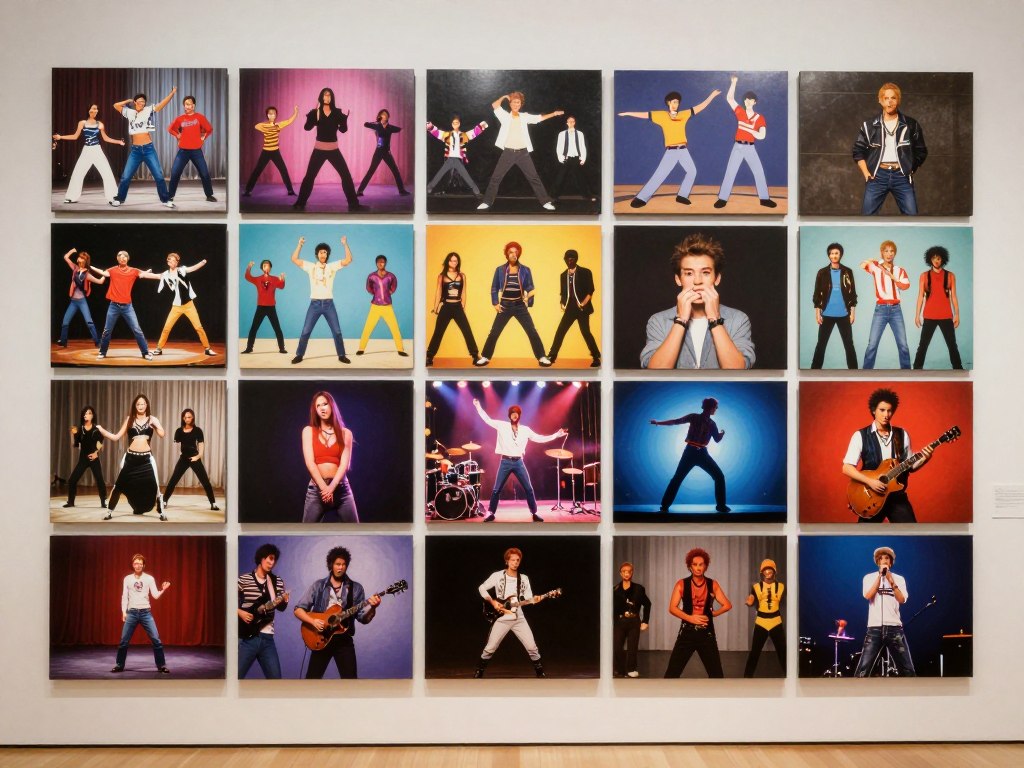
International influences became more prominent. Directors from around the world brought different aesthetic sensibilities. This globalization enriched the visual language of music videos. American audiences discovered techniques and styles from other cultures.
The decade proved that music videos could transcend their commercial origins. They became legitimate art that museums collected and critics analyzed. Academic papers examined their cultural significance. What began as promotional tools evolved into respected creative medium.
The Lasting Legacy of 2000s Music Videos
The music videos from the 2000s continue influencing popular culture today. Dance moves from these clips still appear in TikTok videos and flash mobs. The visual aesthetics inform contemporary music video production. These works established templates that artists still reference.
Lady Gaga’s theatrical approach to music videos became a blueprint for pop spectacle. Artists learned they could build entire personas through visual storytelling. The videos weren’t just promotional tools—they were essential components of artistic identity.
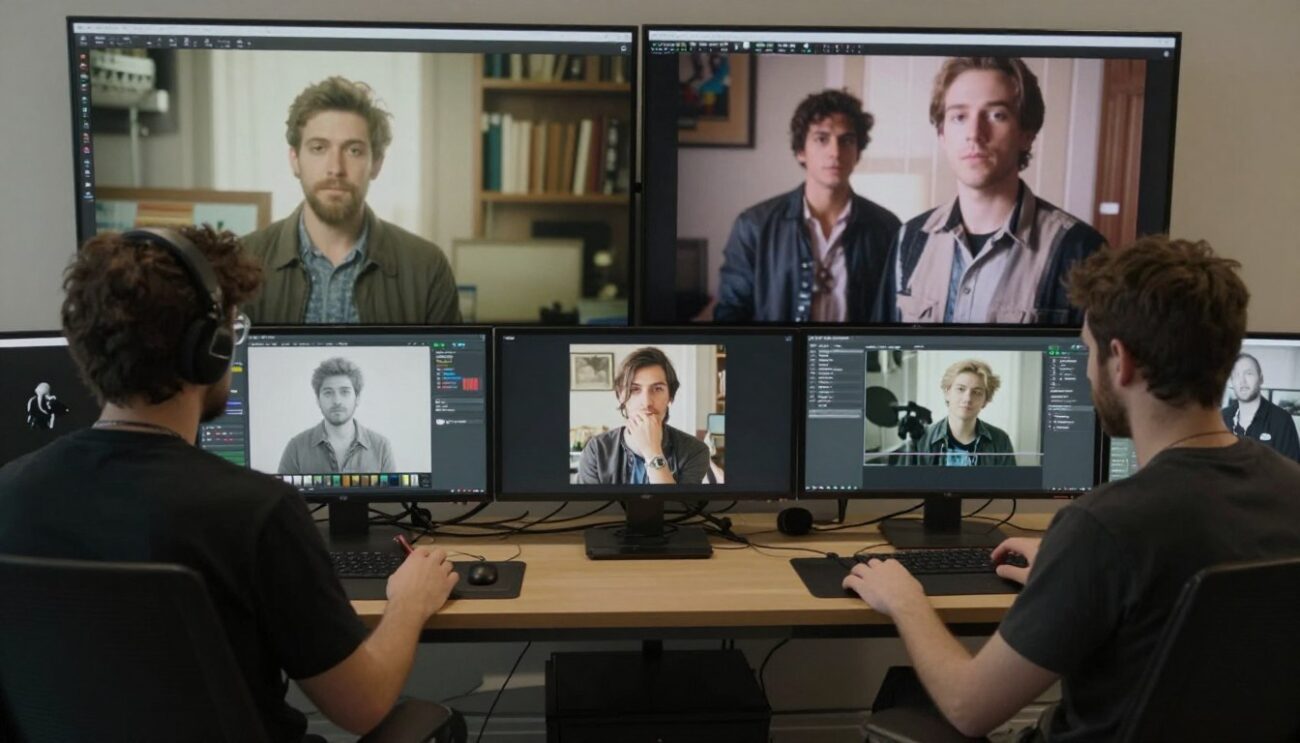
The decade’s emphasis on choreography influenced live performance expectations. Audiences came to expect elaborate staging and precise movements. Concerts became more theatrical. Artists who couldn’t deliver compelling visuals struggled to compete.
Fashion trends from these videos entered mainstream culture. Missy Elliott’s futuristic outfits inspired designers. Beyoncé’s “Single Ladies” leotard became a Halloween costume staple. Music videos became fashion runways that reached millions.
YouTube Changed Everything: The platform’s rise fundamentally altered how music videos functioned. Views became the metric of success rather than MTV rotation. Artists could reach global audiences without label support. This democratization continues shaping the industry today.
The viral success of 2000s videos predicted modern social media culture. Videos were designed to be shared before sharing was easy. Directors anticipated how content would spread through networks. This foresight positioned music videos at the forefront of digital culture.
Industry Evolution
Record labels reevaluated their investment in music videos. The 2000s proved that viral hits could generate more value than traditional promotion. Budgets shifted toward creating shareable content rather than expensive productions aimed at MTV.
Directors developed signature styles that became brands. Artists sought specific directors for their distinct visions. This elevated directors to collaborator status rather than hired guns.
Artistic Recognition
Museums began collecting and exhibiting music videos. The Museum of Modern Art added several 2000s clips to their permanent collection. Academic institutions offered courses analyzing music video as art form.
Film festivals created categories for music videos. Directors used the medium as calling cards for feature film careers. The barrier between music videos and cinema became increasingly porous.
The 2000s established that music videos could be culturally significant beyond their promotional function. They became time capsules capturing moments in pop culture history. Future generations study these works to understand the decade’s values and aesthetics.
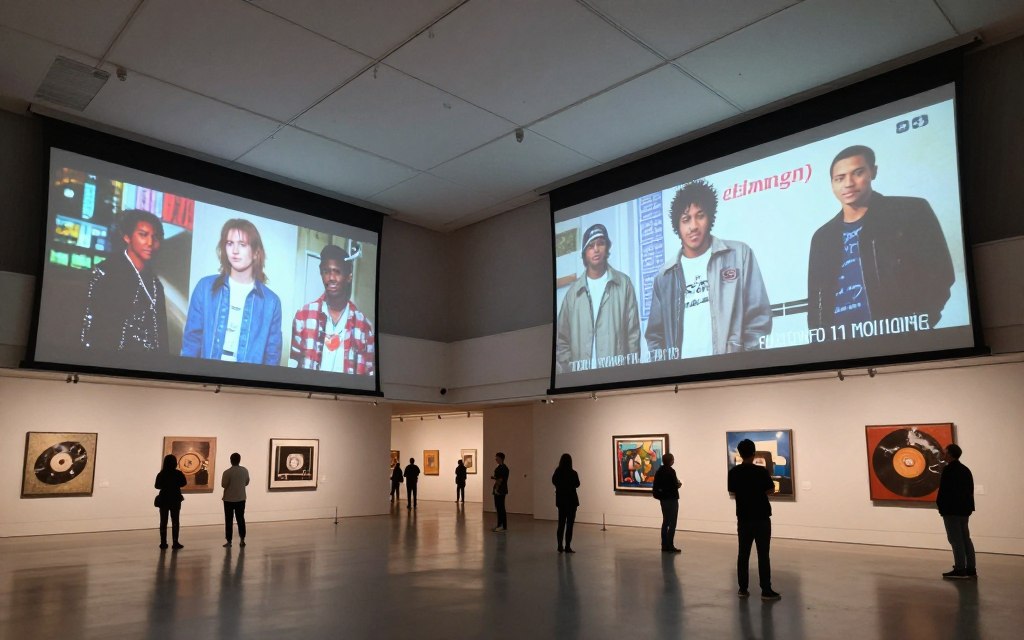
Technical innovations from this era continue influencing visual media. The experimental approaches to CGI, animation, and practical effects opened possibilities that extended beyond music videos. Commercial directors borrowed techniques. Filmmakers incorporated aesthetic choices pioneered in music videos.
The collaborative spirit of 2000s music videos created a template for modern content creation. Artists, directors, choreographers, and designers worked together to create unified visions. This interdisciplinary approach became standard in entertainment production.
Social commentary found powerful expression through music videos in this decade. Directors tackled serious subjects while maintaining entertainment value. This balance proved that commercial art could carry meaningful messages without becoming preachy.
Visionary Directors Behind the Camera
Michel Gondry dominated the 2000s music video landscape with his inventive concepts and meticulous execution. His work on “Star Guitar,” “Fell in Love with a Girl,” and “Come Into My World” showcased different aspects of his genius. Each video presented unique challenges that Gondry solved with elegant creativity.
Gondry’s background in engineering informed his approach. He thought systematically about how to achieve effects practically rather than relying on post-production. This gave his videos a tangible quality that CGI couldn’t replicate. Viewers sensed they were watching real phenomena rather than digital manipulation.
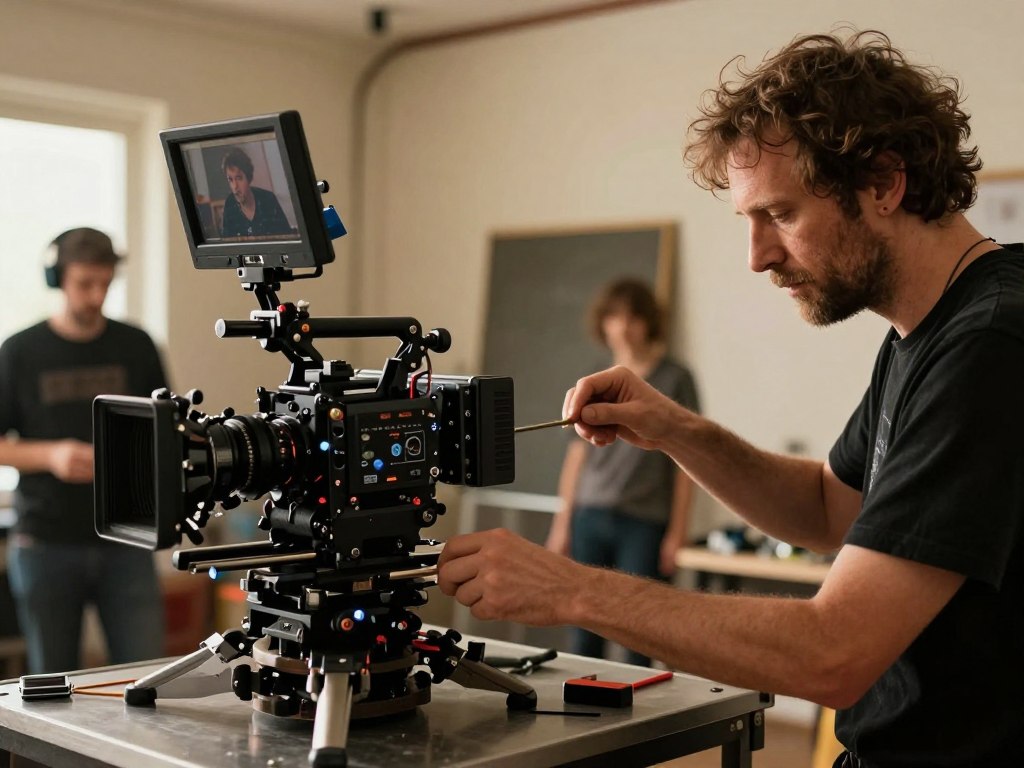
Spike Jonze brought a playful sensibility that never condescended to audiences. His “Weapon of Choice” video demonstrated how simplicity could create magic. He trusted Christopher Walken’s charisma and dancing ability without overwhelming them with effects or editing tricks.
Jonze pioneered the concept of letting moments breathe. His videos often featured long takes that allowed performances to unfold naturally. This approach required confidence in his concepts and trust in his collaborators. The results spoke for themselves.
These directors approached music videos as legitimate art rather than disposable promotional content. They brought the same dedication to three-minute clips as feature filmmakers brought to their projects. This elevation of the medium attracted serious talent.
Collaboration between directors and artists produced the decade’s best work. Lady Gaga trusted Francis Lawrence’s vision. The Chemical Brothers gave Michel Gondry creative freedom. These partnerships allowed directors to take risks that paid off spectacularly.
The business model evolved to support directorial vision. Labels learned that giving directors autonomy often resulted in better, more successful videos. Micromanagement stifled creativity. Trust unleashed it.
Many 2000s music video directors transitioned to feature films. Spike Jonze directed “Being John Malkovich” and “Her.” Michel Gondry made “Eternal Sunshine of the Spotless Mind.” Their music video work served as laboratories for developing distinctive styles.
Creative Freedom: The best 2000s music videos resulted from artists and labels trusting directors’ visions. When creative control remained with the director, innovation flourished. Committee-driven projects rarely achieved the same impact or cultural resonance.
These directors established that music videos required the same skills as narrative filmmaking. Storytelling. Visual composition. Pacing. Performance direction. The abbreviated format demanded efficiency without sacrificing artistry.
Film schools began teaching music video direction as a legitimate specialization. Students analyzed these works frame-by-frame. The techniques developed in 2000s music videos entered the broader visual language of moving images.
The Enduring Power of Visual Music - Top 10 Music Videos from the 2000s: Iconic Clips That Defined a Decade
The top 10 music videos from the 2000s represent more than successful promotional clips. They exemplify how creativity can transcend commercial constraints to create lasting art. Each video on this list solved unique challenges through innovation and dedication.
These works remind us that limitation often breeds creativity. OK Go’s treadmills. The White Stripes’ LEGO bricks. Johnny Cash’s decaying museum. Directors turned constraints into opportunities. They proved that concept and execution matter more than budget size.
The decade established templates still followed today. Artists learned they could be auteurs of their visual presentation. Directors demonstrated that music videos deserved serious artistic consideration. Audiences discovered they wanted more than simple performance clips.
We witnessed dance become cultural language. Beyoncé’s “Single Ladies” moves communicated across barriers of speech and culture. Choreography transcended entertainment to become shared experience. These videos created moments that unified diverse audiences.
The technological revolution of this decade democratized video production while raising creative standards. More people could make videos, but audiences expected innovation. This paradox pushed creators to think harder about concept and execution.
Looking back, the 2000s represented a golden age when music videos balanced artistic ambition with broad accessibility. They weren’t made for niche audiences or algorithmic feeds. They aimed to create universal moments of wonder and connection.
These ten videos achieved that rare feat of commercial and artistic success. They satisfied record label marketing needs while advancing the art form. They entertained mass audiences while earning critical acclaim. This balance is increasingly rare in today’s fragmented media landscape.
The legacy continues through new generations discovering these works. YouTube ensures they remain accessible to anyone with internet connection. Teenagers today can experience the same excitement that original audiences felt when these videos premiered.
Music videos from the 2000s proved that three minutes could contain as much artistry as feature films. Directors, artists, choreographers, and designers collaborated to create complete worlds. These miniature masterpieces expanded what popular culture could achieve and communicate.
Share Your 2000s Music Video Memories
These iconic clips shaped a generation and continue influencing culture today. Which video resonated most with you? Did we miss your favorite 2000s music video? We’d love to hear about the visual moments that defined your musical journey through this transformative decade.
Join the conversation and explore more nostalgic content that celebrates the creativity and innovation of the 2000s music scene.