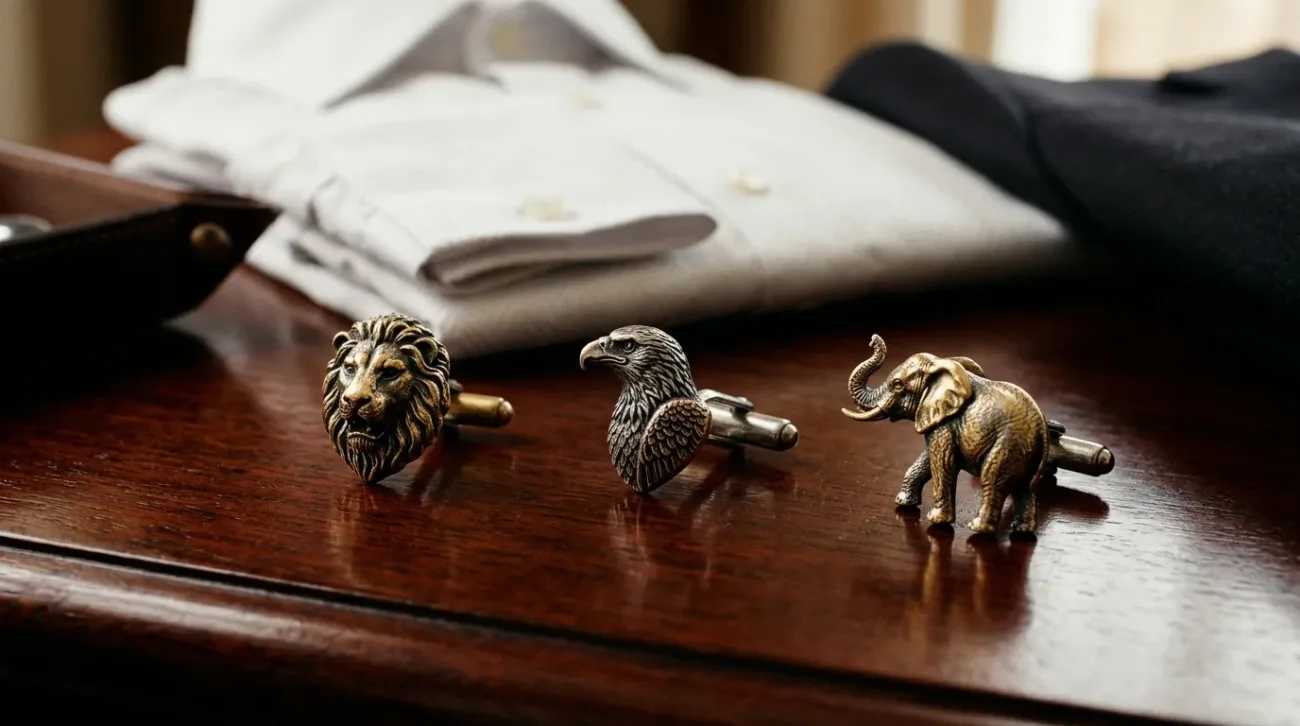
How Do I Find Wildlife Cufflinks as a Gift: Our Picks

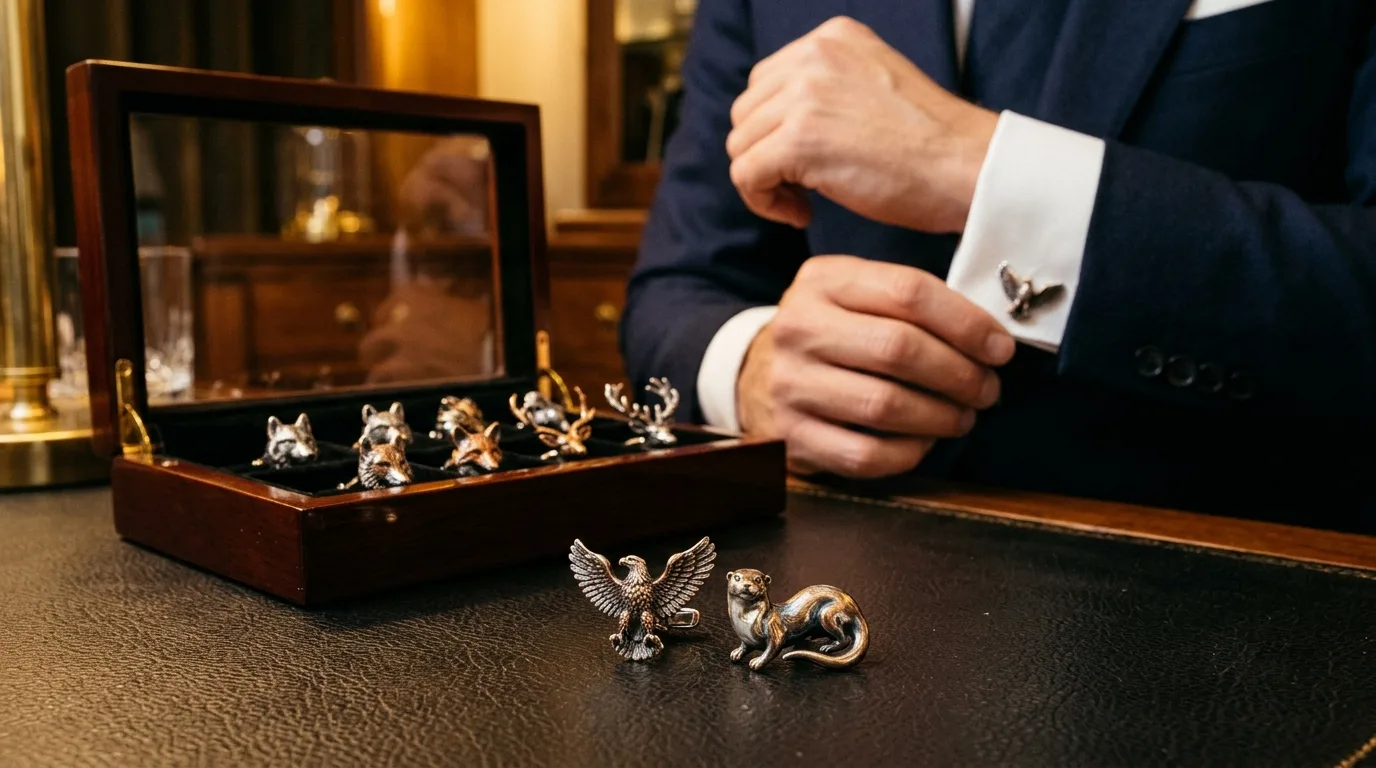
Start with an animal motif connected to the recipient’s interests, then match its material, scale and finish to the way they dress. A thoughtful wildlife gift can feel personal without becoming difficult to wear.
We can make that choice more confidently by looking beyond the animal alone. The recipient’s taste and real wardrobe should lead, whether they favour quiet details or a more expressive outfit.
Material, occasion and care all shape how a pair looks and lasts. Our aim is to help you choose a considered gift that feels refined, useful and true to the person receiving it.
Key Takeaways
- Choose an animal that has a real connection to the recipient.
- Check that their shirts accept cufflinks before choosing a pair.
- Compare the stated material with the finish and surface treatment.
- Let the occasion guide how bold or subtle the design feels.
- Check what personalisation applies to the exact design.
- Follow care advice that suits the cufflink’s finish.
How Do I Find Wildlife Cufflinks as a Gift They Will Wear?
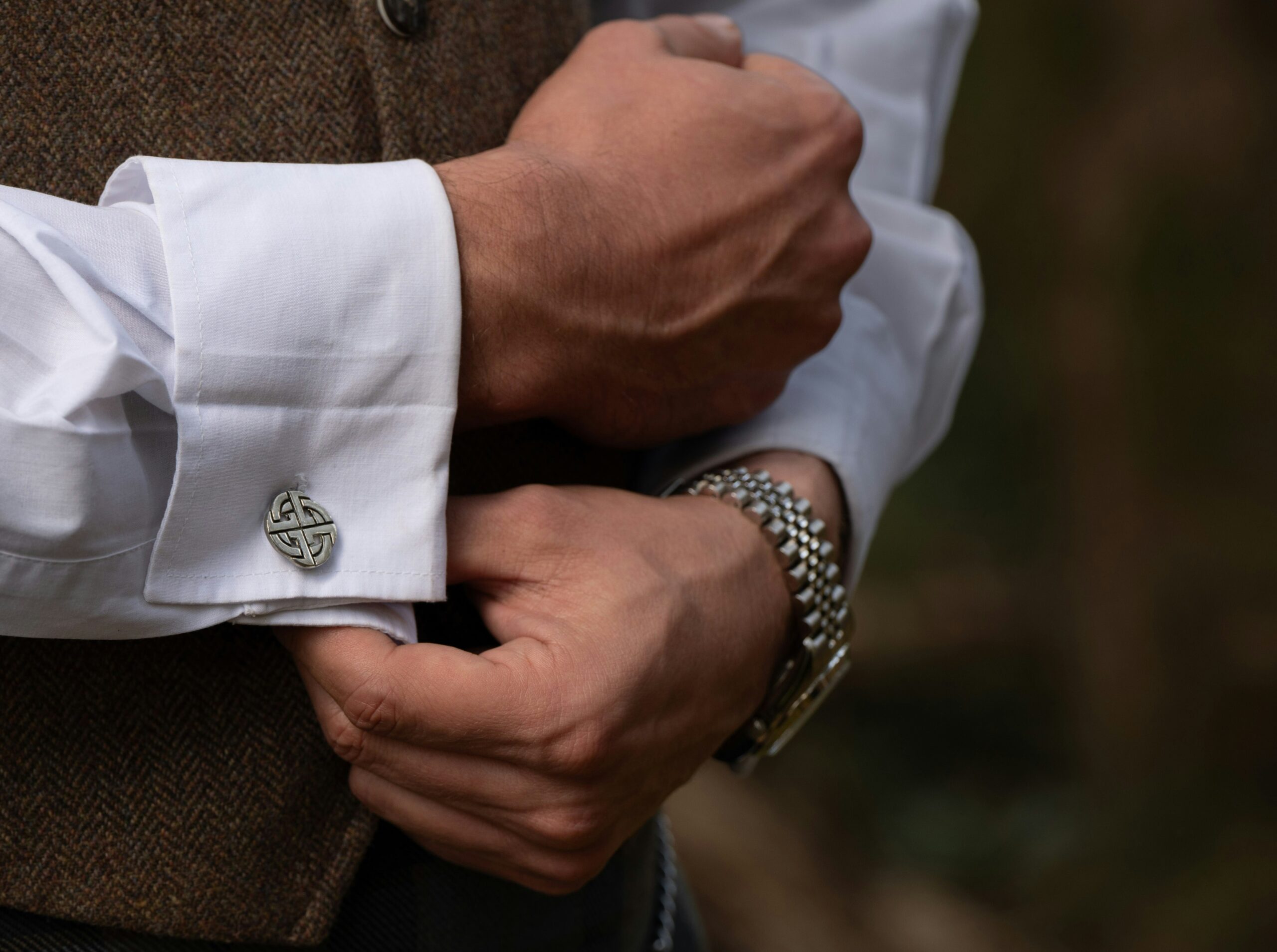
A pair earns its place when the recipient owns a shirt with a cuff designed for cufflinks, or a convertible cuff that accepts either a button or a link. Check the cuff before choosing a fastening, since not every dress shirt can take cufflinks.
A French cuff is a double-fold shirt cuff with buttonholes designed to be fastened by cufflinks. It gives the cufflinks a clear place to sit, while a convertible cuff offers a more flexible option.
Start with the recipient’s dress shirts
Look at the shirts the recipient wears for work, dinner or formal events. A French-cuff shirt is made for cufflinks, while a convertible cuff can use its button or a link.
That difference matters for men who enjoy dressing up but do not own many formal shirts. A link can still be a considered gift, yet it should suit clothes already in their wardrobe.
We would check the cuff itself rather than guess from a shirt’s collar or fabric. The right shirt makes a pair wearable, not merely attractive in its box.
Match scale and mechanism to their routine
A typical cufflink face measures roughly 1.5 to 2 cm across. Face size and weight affect how much presence a pair has, while thickness also changes its feel.
A T-bar is the most common mechanism and turns simply behind the buttonhole. A chain mechanism can sit more loosely and may be harder to fasten with less nimble fingers.
Four quick checks help us judge whether the pair suits their routine:
- The recipient’s cuff type and the shirts they already wear.
- How often they dress formally during an ordinary month.
- The scale of their watch, rings and other usual accessories.
- Whether they prefer simple details or more expressive designs.
A cufflink is practical only when the recipient has a compatible cuff and can fasten its mechanism comfortably.
Think about their usual outfit as a whole, not just the suit they might wear once a year. When the recipient’s cuff type is uncertain, check a shirt they already wear before choosing a fastening.
Which Materials and Hallmarks Signal a Thoughtful Choice?
The most reassuring material choice is the one whose composition and finish are described separately and plainly. A UK hallmark can verify a precious metal’s fineness, not the design’s quality, so we should read both details with care.
Wildlife cufflinks use varied materials, from sterling silver and steel to enamel, glass and stone. The metal beneath a surface finish may differ from the colour seen at first glance.
Compare the material with the finish
This table separates the base material from the look applied to it. That distinction helps us compare a polished face with a plated surface or coloured coating.
| Material or finish | What it is | Visual character | Useful buying check |
|---|---|---|---|
| Sterling silver | Silver alloy used for the article | Bright, cool-toned metal | Check the stated fineness and hallmark |
| Pewter | Metal alloy, sometimes plated | Soft, muted grey surface | Confirm whether a coating changes its colour |
| Base-metal alloy | Non-precious metal blend | Can be polished or silver-tone | Read the base metal and plating details |
| Enamel or lacquer | Coloured surface finish | Glossy colour or vivid detail | Check what lies beneath the finish |
Silver-tone describes a colour, not proof that a cufflink contains sterling silver. Precious-metal composition and plated finish are different claims; a gold-plated base metal is not solid gold.
Other materials used in cufflinks include brass, copper, stainless steel, crystal and natural stones. Lapis lazuli, onyx, carnelian, malachite and tiger’s eye each bring a distinct colour and pattern.
Check UK hallmarking requirements
In the UK, precious-metal articles sold or described in trade above their weight exemptions must carry a hallmark. Silver’s 7.78g exemption applies to each cufflink as an individual article.
This means a pair is not assessed as one combined piece for that silver exemption. The hallmark concerns the precious-metal article and its fineness, rather than its style or overall making.
A hallmark does not confirm ethical sourcing, careful finishing or a pleasing design. We should assess those qualities separately through clear product details and close inspection.
Useful descriptions name the base metal, any plating and the visible finish in separate terms. Treat the hallmark as a precious-metal verification, not a substitute for assessing the whole design.
Which Animal Motif Reflects Their Character?
A meaningful motif usually begins with an animal the recipient already notices, loves or talks about. A real interest makes a more personal gift than an assumed symbol, and lets the design feel like their own choice.
That connection might come from a pet, a favourite book, a collection or time spent outdoors. We need not attach a fixed personality trait to an animal; the recipient’s own response matters more.
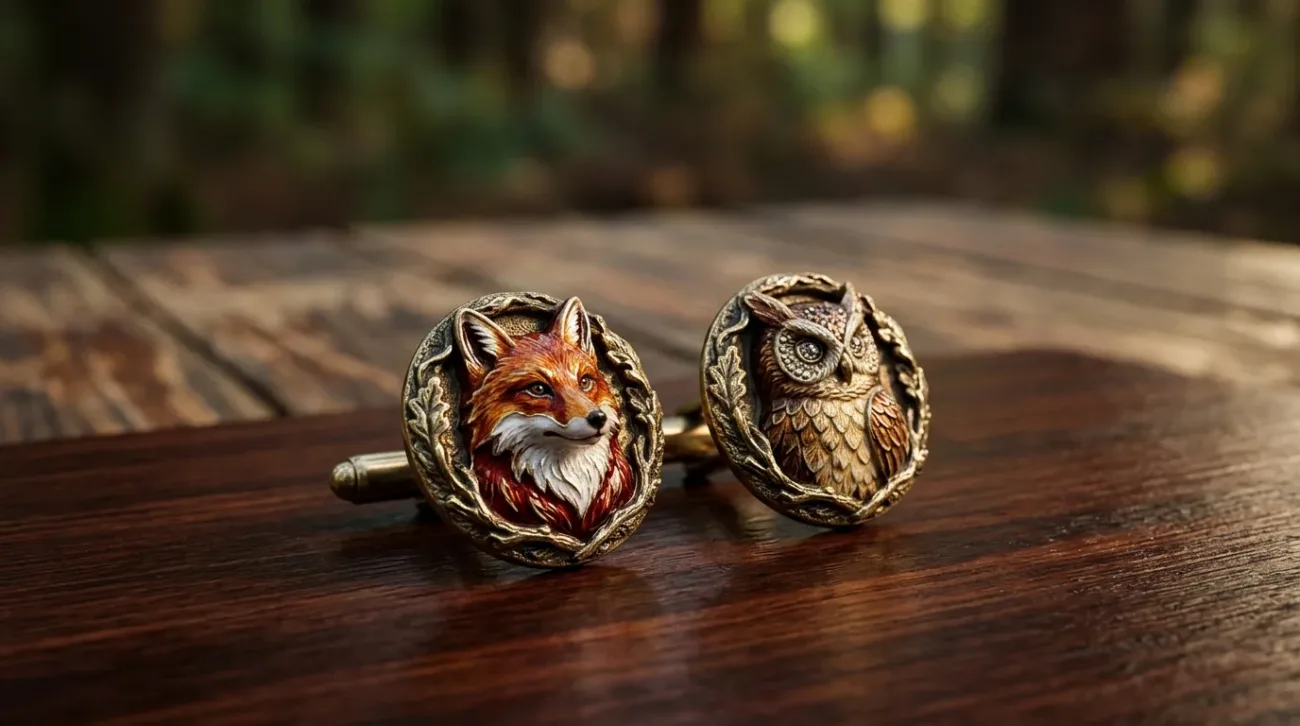
Start with an animal they already admire
Think about the animals they point out, keep as artwork or mention in conversation. A familiar creature can make a small accessory feel thoughtful, even when the design itself is understated.
A pet may offer the clearest clue, but a favourite landscape can help too. Someone who loves woodland walks might enjoy a deer or fox, while a birdwatcher may prefer an owl or raven.
We can also look at what they already collect or wear. A motif that fits an existing interest is less likely to feel like a novelty picked without them in mind.
For more visual ideas, browse animal and bird cufflink designs across familiar and less common species. We can compare the face of each design with the recipient’s usual accessories.
Explore the spirit-animal range
The spirit-animal range includes designs from wolves and lions to turtles and sloths. Rather than assigning meaning to any species, we can group the choices by the setting or kind of animal they enjoy.
These clusters are a simple way to narrow a wide range:
- Woodland: bear, deer, fox, wolf and horse designs.
- Birds: eagle, owl and raven designs.
- Big cats: lion, tiger and panther designs.
- Familiar companions: cat and horse designs.
- Less expected animals: gorilla, chimpanzee, snake, turtle and sloth designs.
A cluster can suggest where to start, but the final choice should still feel recognisable to the recipient. We may find that a less expected animal is exactly right when it connects with a favourite story or hobby.
For a wider look at animal motifs and ways to wear them, explore our wild animal cufflink ideas. The best choice need not be the most dramatic; it should feel chosen for one person.
If the connection is not obvious, choose the animal they are most likely to recognise and enjoy wearing.
What Style Works for Each Occasion?
For a formal wedding or business meeting, a restrained animal silhouette in a polished finish is the most versatile choice. Let the occasion set the level of expression, then choose a design that sits comfortably with the rest of the outfit.
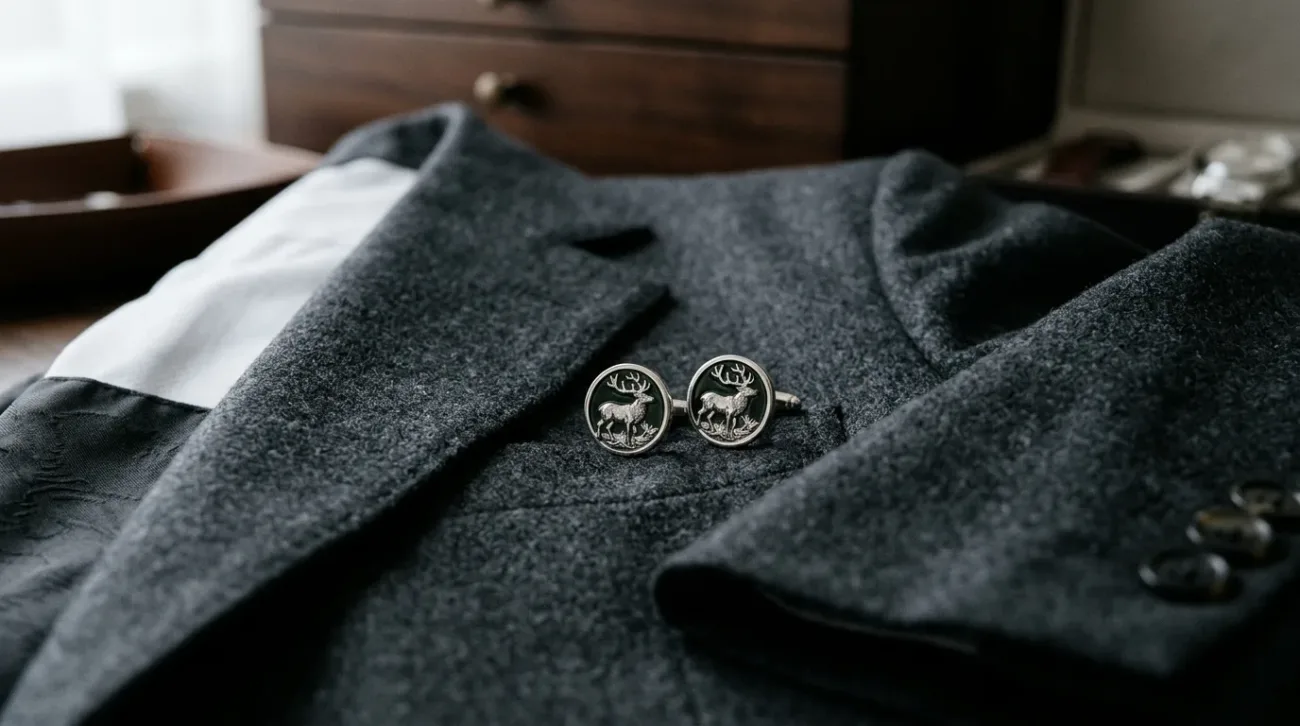
Quiet metal designs can look refined with a suit, while vivid colours often suit a relaxed setting. A compatible shirt cuff also lets cufflinks work with a tweed jacket or sport coat.
| Occasion | Suggested material or finish | Style approach |
|---|---|---|
| Formal wedding | Sterling silver or gold | Subtle and elegant |
| Business meeting | Polished brass or steel | Professional and minimal |
| Themed party | Enamel or quirky design | Bold and expressive |
| Casual gathering | Mixed media or matte finish | Relaxed and distinctive |
For discreet office wear, an un-enamelled silver or gold-plated silhouette can keep the animal detail refined. A stag, fox or owl gives character without adding a bright splash of colour.
Colour can feel more at home outside formal work settings. Enamel or lacquer styles suit less formal occasions, where a vivid face can become a welcome part of the outfit.
Wedding and festive designs might feature a peacock, bee or dove. These motifs can add a personal note to a celebration without relying on a large or highly detailed face.
Hunting themes may call for a hunting dog, pheasant or wild boar. The motif can echo the event’s subject while still working as a small, wearable accessory.
We can use the jacket fabric as a guide to the finish. A matte face may sit well beside textured tweed, while a polished metal design can pick up the sheen of a formal suit.
Some styles feel deliberately playful, while others keep the animal shape close to a simple outline. Both can work when the recipient’s taste and the event point in the same direction.
Let the event set the level of expression, then keep the finish in harmony with the rest of the outfit.
Which Wildlife Cufflink Designs Are Worth Considering?
A useful shortlist starts with the recipient’s preferred animal, then compares each design’s material and stated dimensions. Compare like with like, since diameter and length describe different shapes, not interchangeable face sizes.
Three examples show how different materials and forms can suit different tastes. None is right for every wearer; each offers a distinct balance of scale, surface and presentation.
Handmade sterling-silver badgers
A UK-made, handmade sterling-silver badger pair has cufflinks about 1.3cm in diameter. Each one has a sterling-silver T-bar fitting and arrives in a gift box.
The design is listed as suitable for office wear, dinner or a wedding gift. Its compact face may appeal to someone who prefers a quieter animal detail with a familiar metal finish.
We should still consider how the badger shape fits the recipient’s interests. Sterling silver describes the material, while handmade describes how the piece is made; each tells us something different.
A small face can sit neatly beside a watch or ring, but the recipient may prefer a larger design. Their usual accessories offer a useful point of comparison.
Silver-tone animal design with a resin dome
A made-to-order animal design is listed at £19.99 and measures 19mm in diameter. Its polished silver-tone metal-alloy base holds a durable resin dome and arrives in a presentation gift box.
Silver-tone is a colour description here, while metal alloy names the base material. Neither phrase means sterling silver, so the distinction matters when comparing descriptions.
The dome gives the face a clear, raised surface around printed artwork. This can suit a recipient who enjoys colour or a more graphic animal design.
The made-to-order format may help when the chosen animal is less common. We should still judge the specific image and overall appearance against the recipient’s usual style.
The presentation box gives the pair a ready gift format. It does not change the material or finish, which should remain clear in the product details.
Gold-plated pewter crocodiles
A UK handmade crocodile design uses a pewter base plated in 22ct gold. Each crocodile measures 25mm long, giving it a length rather than a round face diameter.
Gold-plated pewter is distinct from both sterling silver and silver-tone alloy. The gold describes the surface plating, while pewter names the base metal beneath it.
The longer shape may suit someone who likes a noticeable animal outline. It may feel less discreet than a compact round face, so we can compare it with the recipient’s other accessories.
For more ideas on animal-themed gifts and their craftsmanship, see our animal gift ideas for him. That wider view can help us find a design that suits a real interest.
These examples show why no single material or shape is best for everyone. A wearer who enjoys a bright image may choose resin, while another may prefer a metal silhouette.
Read dimensions as written, especially when a design has an elongated body or a raised dome. Compare the listed dimensions with the recipient’s existing accessories before settling on a face size.
Can Personalisation Make the Gift More Meaningful?
A personal detail is most successful when it feels like a private recognition, not an addition made simply for novelty. Choose a personalisation route that the exact design supports, since not every animal cufflink can be engraved or changed.
A word, contrasting pair of motifs or personal image can make a gift feel closer to its recipient. The best detail has a clear reason to be there.
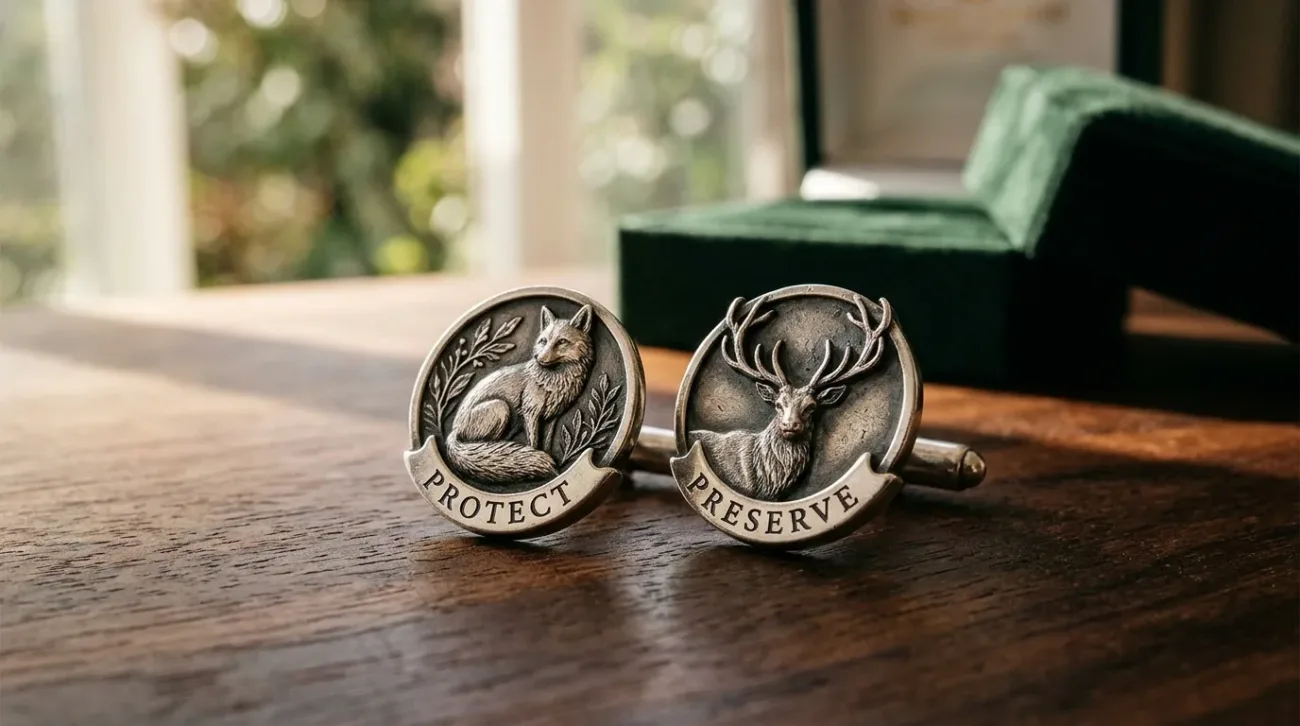
Choose the kind of personal detail
A word may refer to a place, a shared joke or a name the recipient holds dear. Initials are another choice, though a short word can feel more individual when the design allows it.
A mismatched pair can show two linked interests instead of repeating one animal. This works only when the design offers a contrasting pair, rather than assuming every cufflink can be mixed.
Three routes can help us decide what kind of detail feels right:
- A word or initials with a personal connection.
- A complementary mismatched pair of animal motifs.
- A pet or favourite-animal image, if the design permits it.
A custom photo option should be confirmed with the maker before ordering. Ask how the image will appear and whether a proof is available before production.
Check how the image or engraving is made
The handmade sterling-silver badger design allows one badger cufflink to pair with one cufflink stamped with a word. That option changes the pair itself rather than adding text elsewhere.
The crocodile design can be engraved with up to 50 characters when its engraved gift-box option is selected. The engraving appears on the box, so it is not the same as marking the cufflink.
Spirit-animal designs are made to order and offer personalisation. Their artwork is printed beneath a raised clear resin dome, not engraved or enamelled.
Printed artwork beneath resin can give an image colour and depth, while engraving cuts a mark into a surface. Enamel is a separate finish, so those terms should not be used as if they mean the same process.
We can ask whether a pet image will fit the selected design and what file type the maker accepts. The details matter because an image made for one format may not suit another.
Confirm where the personalisation will appear, on the cufflink or its presentation box, before placing an order.
How Should Wildlife Cufflinks Be Cared For?
The safest care routine begins by checking the finish, since silver, plating and enamel do not call for identical cleaning. Use a gentle method suited to the surface, rather than one cleaner for every pair.
Simple care can help protect the look of cufflinks over years of use. A soft cloth and a safe place to store them are often more useful than strong cleaning products.
Clean the finish with the right touch
Sterling silver can be buffed with a soft cloth. Light, gentle strokes help lift marks without putting extra pressure on the face or its fastening.
Gold-plated pieces can be cleaned with mild soapy water. We should handle the surface with care, since the visible gold is a plating over another material.
Bright enamel can be wiped gently with a damp microfibre cloth. For enamel and lacquer, keep perfume, alcohol-based products and abrasive cleaners away from the surface.
A soft, slightly damp cloth is also suggested for lacquer or enamel cufflinks. Dry the surface gently after wiping, rather than leaving moisture around the details.
Different materials used in one design may call for careful handling. If the face combines metal with a raised resin detail, a light touch helps avoid catching an edge.
Store each pair to prevent damage
A lined jewellery box or anti-tarnish pouch helps protect cufflinks from scratches and damage. Choose a place where the faces will not rub against harder accessories.
Keep the pair together so both cufflinks stay matched. Separate storage can make small pieces easier to misplace, especially when a design has a distinctive animal face.
We can set aside a small space in a drawer or travel case for the pair. A fitted compartment offers a simple barrier against knocks from watches, keys or other metal items.
A clean, dry storage place also helps the finish stay presentable between occasions. The cufflinks need not be displayed to remain easy to find.
Make a gentle clean and a protected place to store the pair part of the recipient’s regular accessory routine.
Where Can We Shop, and What Should We Check?
A reliable listing makes the design’s material, dimensions, fastening and personalisation clear before checkout. Read the exact product listing, since materials can vary across one animal collection.
Independent makers may offer handmade pieces, while artisan marketplaces bring together varied styles. Custom-photo options and ready-to-dispatch listings are separate routes, each with different choices and order details.
Vintage cufflinks can offer an older look, but their condition needs close attention. Check photos of the face, shank and foot, and look for clear notes about wear or damage.
A contemporary design may list stainless steel, a plated metal or another base material. Do not assume that every animal in one range uses the same materials.
Before ordering, we can check five details in the listing:
- The exact material and any plating on the surface.
- Clear dimensions, with diameter or length stated.
- The fastening type, such as a T-bar or chain.
- Whether artwork is printed or applied as enamel.
- The personalisation option for that exact design.
A chain fastening can have a different feel from a T-bar, and a face may have a different scale from its stated length. Clear wording helps us compare the same features across designs.
For most online goods bought from a trader in the UK, consumers generally have 14 days from delivery to cancel. The 14-day cancellation rule has an exception for goods made to the consumer’s specifications or clearly personalised under the Consumer Contracts Regulations 2013.
Custom or clearly personalised goods are exempt from the usual 14-day online cancellation right.
Check the seller’s terms for the exact order, especially when a design is made to order or includes an engraving. The rule applies to most online goods, not every custom request.
If a product detail is unclear, contact the seller before ordering. We can use the customer contact page to ask about a specific design or its options.
Before ordering a custom piece, confirm the wording or image, the final presentation and the seller’s applicable cancellation terms.
Conclusion
The strongest choice is the one that feels recognisably theirs and belongs naturally in the way they dress. A wildlife accessory can carry a real interest into an outfit without asking the recipient to change their style.
Quality comes from clear material details, thoughtful design and a fit with the wearer’s routine. We can choose with confidence when the animal feels personal and the piece suits their life.
Take one practical next step: browse our wildlife cufflink collection, then confirm the chosen design’s materials, dimensions, personalisation and presentation details on its individual listing.