Blog
Tuxedo cufflinks: the black tie style guide for men


Tuxedo cufflinks: the black tie style guide for men
The tuxedo is sorted. The shoes are polished. The bow tie is ready. And then, at the last possible moment, you realise the shirt has French cuffs and you haven’t given a single thought to what goes through them. Tuxedo cufflinks are the detail many men either overlook entirely or agonise over unnecessarily. Both reactions are unnecessary. A few clear principles make the decision straightforward. Get them right and they add quiet authority to the whole look. Get them wrong and, however well the rest of the outfit sits, something feels off.
Formal cufflinks for black tie occasions are a different category from the personality-led, hobby-themed pairs that make excellent everyday gifts. They follow a tighter set of conventions around material, scale, and coordination that have been settled for decades. This guide walks you through all of it: which metals and materials to choose, which mechanisms suit black tie best, how to attach them correctly alongside shirt studs, and what to spend. For UK buyers, Cufflinks Gift Hub is well worth bookmarking before you start browsing, but more on that later.
Why tuxedo cufflinks matter more than most men realise
The French cuff is a stage, not a formality
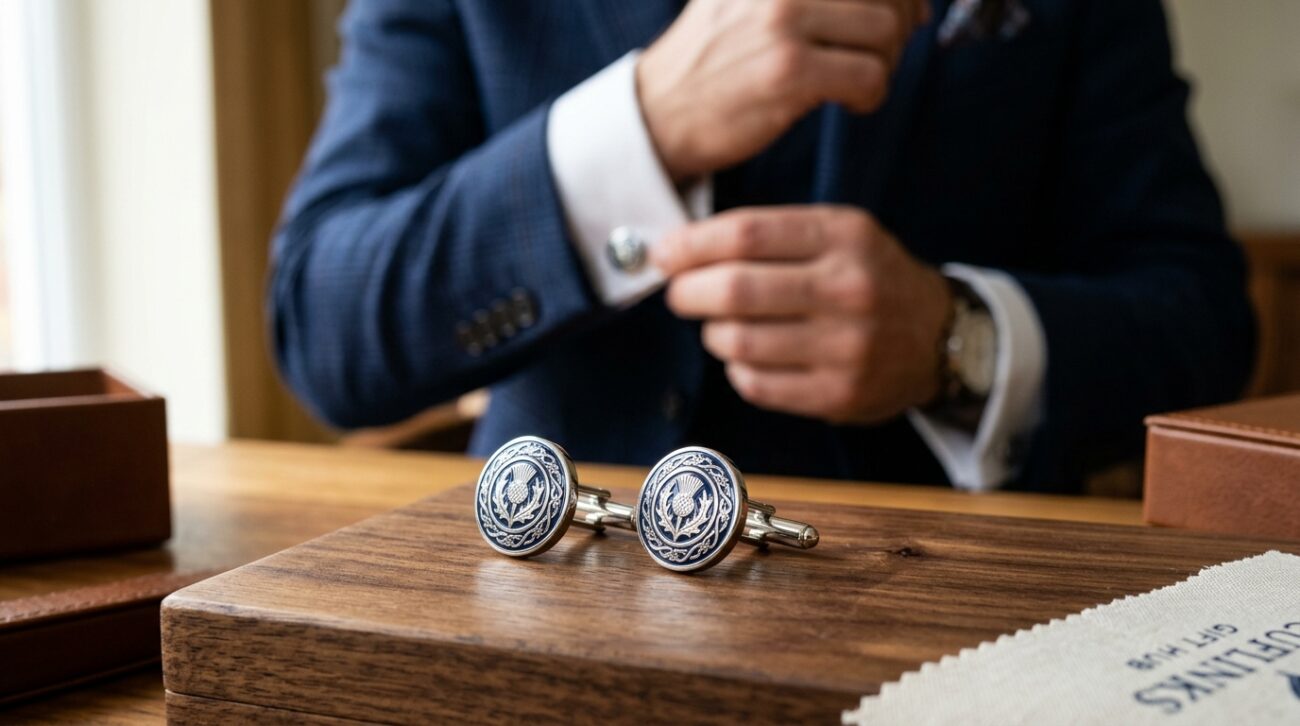
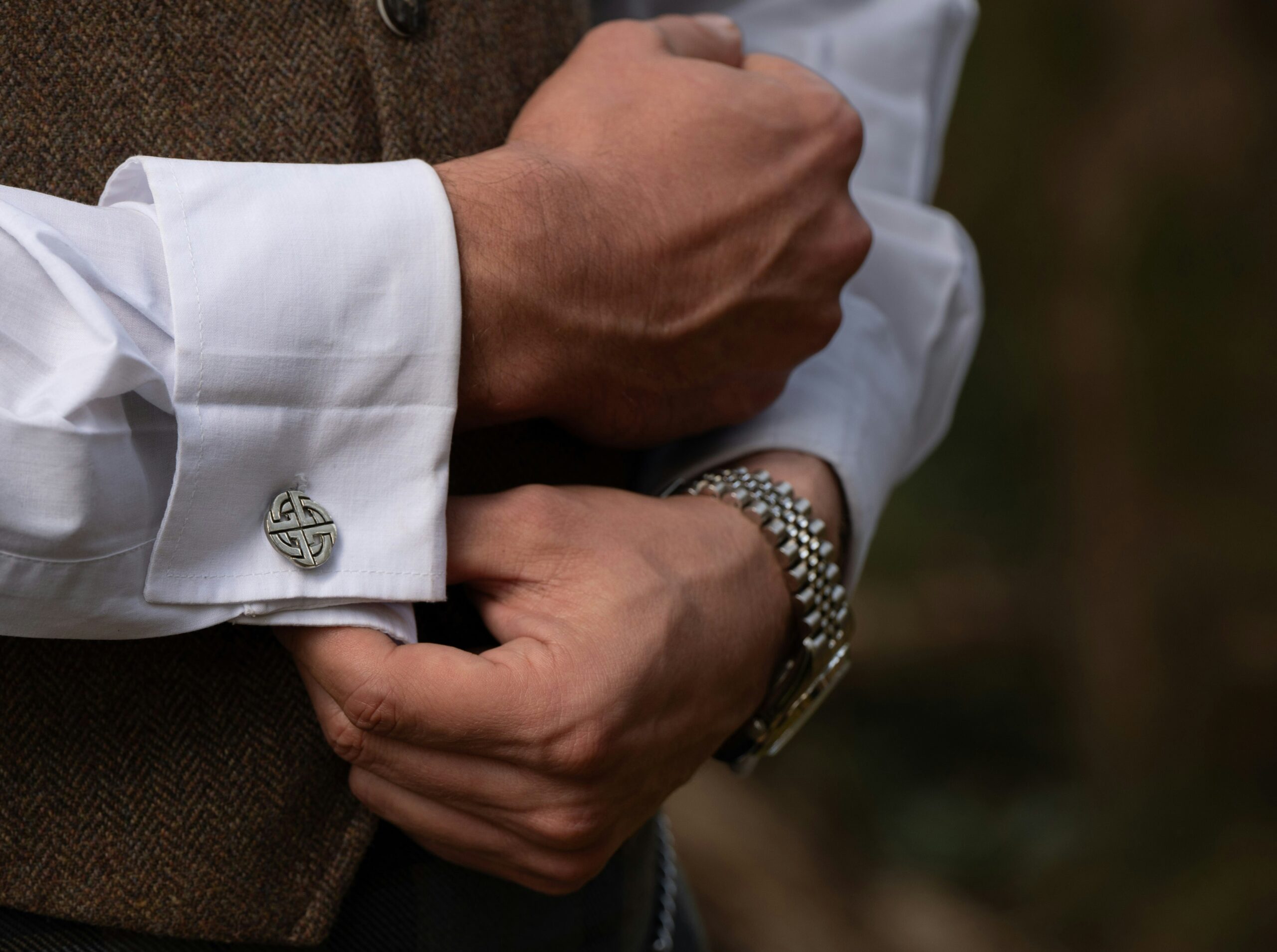
A tuxedo shirt is designed with French cuffs, also called double cuffs, and those cuffs require cufflinks to function. Unlike a barrel-cuff shirt where the button is hidden or barely visible, the double cuff folds back and creates a prominent panel of fabric at the wrist. Every time you reach for a glass, shake a hand, or gesture across a table, your cufflinks are on full display. The right pair frames the cuff cleanly; the wrong pair pulls the entire look out of register.
How dress cufflinks differ from everyday pairs
Everyday cufflinks are built around personality: bright enamel, quirky motifs, and casual metal tones that work well at the office or a relaxed dinner. Dress cufflinks for black tie are deliberately the opposite, smaller in face diameter, precious or precious-look in finish, and minimal in surface decoration. The distinction is not subtle in practice. Wearing a novelty or oversized pair to a black tie event is as visually disruptive as wearing brown shoes with a dinner suit, and just as noticeable to anyone with an eye for formal dressing.
Tuxedo cufflinks: metal finishes decoded
Silver and gold: the traditional black tie standards
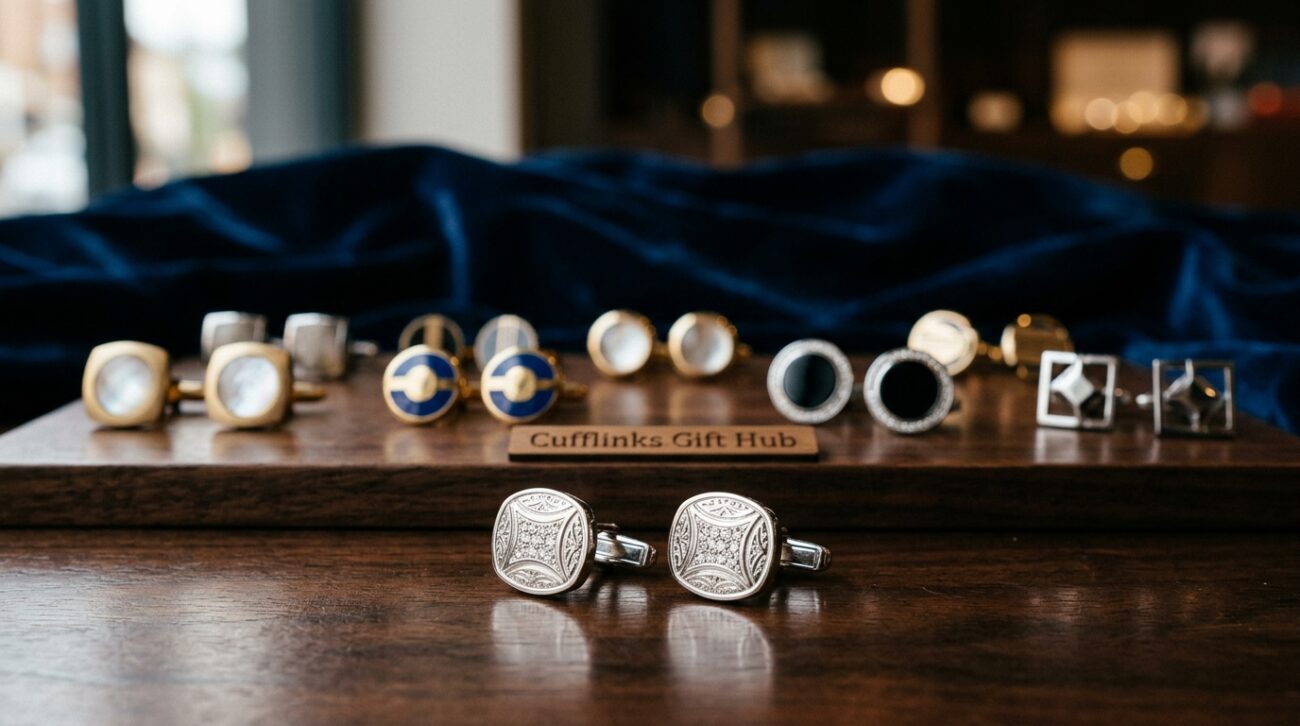
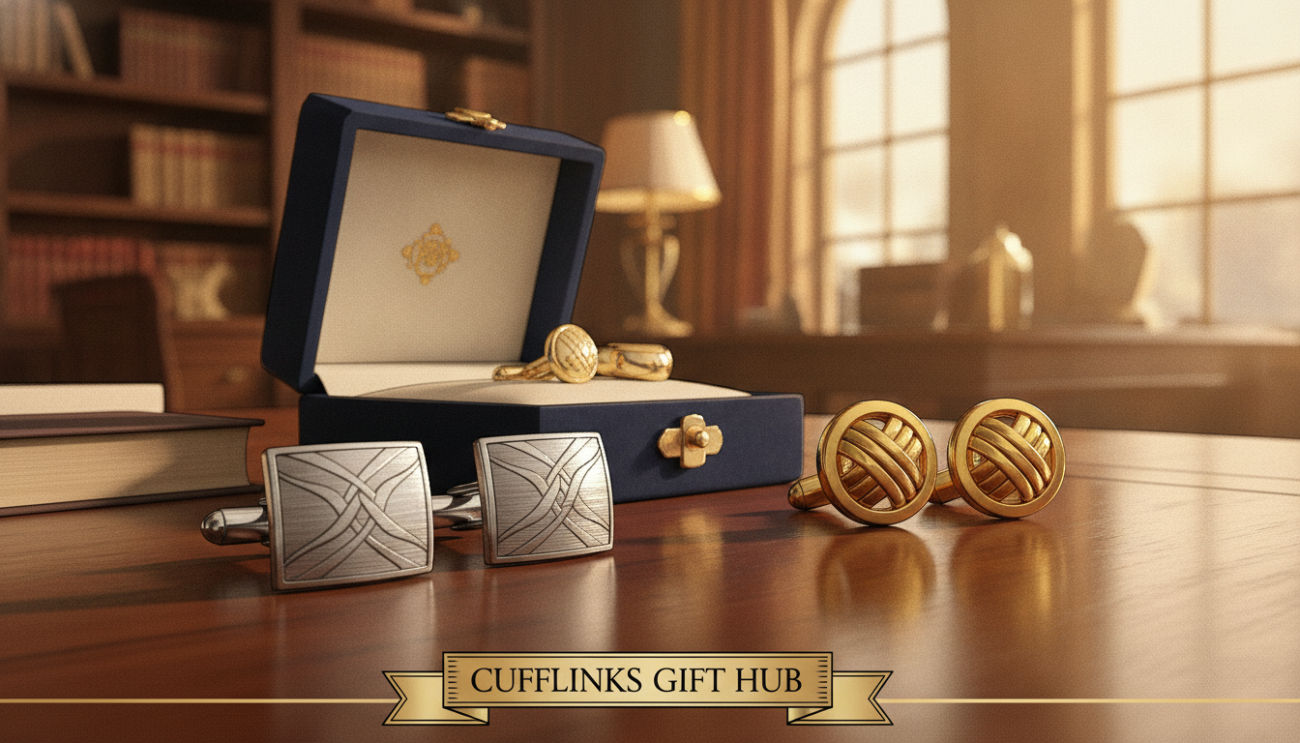
Silver-tone tuxedo cufflinks are the most versatile choice for a dinner suit. They work across white and ivory shirt fronts, coordinate cleanly with white gold or platinum watches, and are formally correct in virtually every black tie setting. Gold carries a warmer tone that suits yellow gold watches and ivory or cream accessories particularly well. For weddings, polished silver or yellow gold are reliably safe choices for formal occasions, and both have been the standard in British formalwear for generations.
Onyx and mother-of-pearl: the classic tuxedo pair
Onyx cufflinks, typically set in a silver surround, have been a black tie staple for generations. The deep black face sits naturally against a white shirt and black bow tie without adding visual noise. Mother-of-pearl offers a subtler, iridescent alternative that catches candlelight in a way solid metal does not, and both materials are considered fully appropriate for formal occasions. They are the natural choice when you want the look of a complete tuxedo cufflink set that includes matching shirt studs, since coordinated onyx sets are easy to find at a range of price points. For examples of high-quality mother-of-pearl options, see mother-of-pearl cufflinks.
Enamel and plated finishes: where decoration meets formality
Enamel works in formal contexts when the colours are kept restrained: black, white, or deep navy. A black enamel face in a polished silver bezel is considered correct for black tie; a brightly coloured design is not. Plated metals, whether gold-plated or rhodium-plated silver-tone, offer the look of fine metals at a lower price point and are common across most mid-range formal sets. Plating quality matters here, since thin plating on a base metal can wear unevenly over time. If you plan to wear your tuxedo cufflinks more than once, it is worth paying a little more for a better finish.
How to wear tuxedo cufflinks: shape and mechanism explained
Bullet back and T-bar: the practical formal standard
Bullet-back and T-bar mechanisms are the most common on dress cufflinks for good reason. They are easy to fasten without assistance, sit flat once closed, and hold the cuff securely through a long evening. The decorative face is typically flat or lightly domed, keeping the profile clean and low. These are the shapes to start with if you are buying formal cufflinks for the first time, and they are what you will find most often in coordinated tuxedo cufflink sets across every price tier. For illustrations and practical tips on fastening and style, see how to wear cufflinks.
Chain link: the heritage choice for traditionalists
Chain link cufflinks connect two decorative faces with a short chain rather than a solid bar. They move with the cuff, which some men find more comfortable over a long evening, and they carry a long association with classic British formalwear. They take a little more time to fasten, but are often regarded as a traditional choice and are considered appropriate for strict black tie by many etiquette sources. A chain link set in sterling silver or onyx is worth considering if heritage style matters to you or if the occasion carries particular ceremony.
Knot cufflinks: a note of caution for strict formality
Silk or metal knot cufflinks are simple, affordable, and sit flush against the cuff without fuss. They work well for smart-casual occasions and are genuinely elegant in their understated way. For strict black tie, however, the consensus is that they fall slightly short of the formal standard set by bullet back or chain link mechanisms. If the dress code is flexible or the event is semi-formal, knots are a faultless choice; for a proper black tie occasion, the other two mechanisms are the safer call.
How to attach cufflinks and studs correctly
Step-by-step: fastening your French cuffs
Put the shirt on and leave the cuffs unfastened. Fold the double cuff back so both layers align and all four buttonholes sit in line. Rotate the cufflink’s toggle or bar into the open position before inserting it, since trying to push it through while closed is the most common source of frustration. Push the decorative face through the aligned holes from the outside of the wrist inward, then secure the fastening mechanism so it locks flat. The decorative face should sit visibly on the outer wrist, not tucked or folded inward.
Adding tuxedo studs: a quick guide for the front placket
Tuxedo shirts designed for studs have buttonholes rather than sewn buttons on the front placket. Fasten the studs before finishing the cuffs, since it is much easier to align the front while the shirt hangs open. Insert each stud through the corresponding buttonhole and secure the backing on the inside. Coordinated sets commonly include matching studs designed to complement the cufflinks in finish and scale, which keeps the overall look consistent from collar to cuff without any extra effort. These French cuff accessories are sold together for exactly this reason.
Black tie etiquette: the matching rules you need to know
The stud-and-cufflink coordination rule
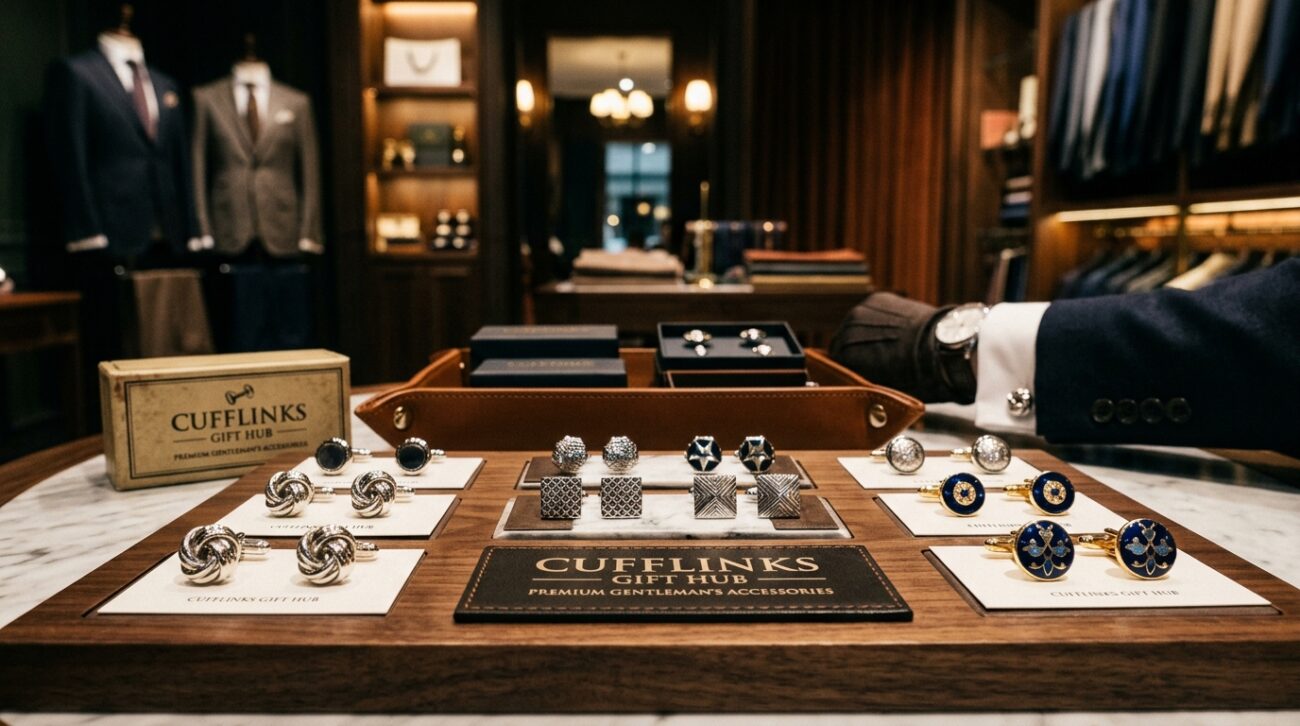
The core rule for black tie is clear: your shirt studs and cufflinks should match. Same metal finish, same visual weight, same design family. Wearing silver cufflinks with gold studs, or pairing a polished finish with a brushed one, creates a discordant effect that undermines the formality of the outfit. Buying a purpose-made tuxedo cufflink set that includes both cufflinks and matching studs is the simplest way to guarantee this, and these coordinated sets are widely available across every price tier.
What to avoid at a formal event
Keep cufflinks appropriately scaled; an oversized face draws the eye away from the outfit as a whole and reads as a misjudgement rather than a statement. Avoid novelty or themed designs, however well crafted they are, since black tie etiquette is built around restraint. The one exception worth noting is engraved cufflinks: a subtly engraved initial or simple geometric motif on a silver or gold face is entirely appropriate and adds a personal touch that works especially well for wedding formalwear, where a small individual detail can carry real meaning.
Finding the right set in the UK: what to spend and where to look
Price tiers: entry, mid-range and premium explained
Entry-level tuxedo sets, typically in the £15 to £40 range, cover silver-plated or base metal cufflinks with clean formal styling, often including studs. They are solid for a one-off formal event or a groomsman gift on a budget. Mid-range sets in the £40 to £120 bracket offer better plating quality, cleaner finishing, and more considered design, usually presented in a gift box suited to giving directly. Premium sets above £120 move into sterling silver, stone inlays, and crafted detail suited to buyers who attend formal events regularly or want a lasting accessory rather than a single-use purchase. If you want a more detailed buying checklist, this complete buying guide covers materials, styles and price expectations.
Why Cufflinks Gift Hub is worth bookmarking for black tie cufflinks
For UK buyers, Cufflinks Gift Hub brings together formal cufflinks ranging from classic silver-tone dress pairs to onyx-faced sets that coordinate naturally with a tuxedo shirt and matching studs. The range sits primarily in the accessible mid-range, making it a practical destination for grooms, groomsmen, and anyone pulling together a black tie look who wants a clean, gift-ready set without the premium mark-up of a specialist or heritage retailer.
The short version: what to buy and where to start
The decisions that matter most are actually few. Silver-tone or onyx are the safest starting points for material, covering the broadest range of occasions and shirt colours. Bullet back is the most practical and formally correct mechanism for most men, with chain link as the traditional upgrade for heritage-minded buyers. Whatever you choose, always buy studs and cufflinks as a matching set: it removes the guesswork and guarantees the outfit reads as intentional from the first glance. For a curated list to speed selection, see Men’s Health’s round-up of the best cufflinks.
Getting tuxedo cufflinks right is less about how much you spend and more about choosing with purpose. A carefully chosen set at £30 will typically look better than an expensive but mismatched pair. Browse the formal collection at Cufflinks Gift Hub and you will find everything needed for a polished black tie look, at a price that leaves room for the rest of the occasion.