
Blog
Lapel Pin vs Cufflink Guide for Timeless Style and Elegance

True elegance often lies in the smallest details. The way a gentleman chooses his suit accessories shows his character and love for fine craftsmanship. Whether for a formal gala or daily wear, the right choice can change how you look.
Many of our readers struggle to decide between a lapel pin vs cufflink for their wardrobe. Both are top choices in men’s fashion, but they have different roles. Knowing the comparison helps you choose with confidence and style.
Discover how these pieces can elevate your look with a stylish lapel or classic cufflinks. Mastering these accessories keeps your style both timeless and meaningful. Let us show you how to accessorise with elegance and precision.
Key Takeaways
- Accessories are the final touch that makes a gentleman’s look unique.
- Comparing items helps you pick the perfect piece for any event.
- Suit accessories should mix personal style with the event’s formality.
- Quality craftsmanship means your chosen pieces will last for years.
- Matching metal tones creates a polished and cohesive look.
Understanding Lapel Pins: Definition and Purpose
We think true elegance comes from choosing the right accessories. A lapel pin is a small but powerful way to show who you are. It turns a simple suit into something special.
What is a Lapel Pin?
A lapel pin is a small decoration for your jacket’s left lapel. It’s placed near the buttonhole, where boutonnieres used to go. Now, it’s a timeless way to show your style without overdoing it.
“Style is a way to say who you are without having to speak.”
Rachel Zoe
Types of Lapel Pins
There are many designs, from simple metal bars to detailed flowers. Hard enamel pins are polished and durable, perfect for work. Knowing the difference between them helps you build a collection for any event.
Artistic designs let you express yourself more. You can choose from vintage brass to modern shapes. Each material changes the pin’s look, helping you achieve your style goals.
Uses of Lapel Pins in Fashion
Adding a lapel pin to your outfit is easy and stylish. It shows you care about details, which is key in men’s fashion. By picking pins that show your interests, you make your jacket tell your story.
Knowing how a single accessory can change your look is important. Whether it’s a fancy event or a business meeting, these pins add a refined touch. Try different styles and places to find what suits you best.
Understanding Cufflinks: Definition and Purpose
In the world of men’s fashion, cufflinks are key. They mix practicality with style. Unlike other accessories, they keep shirt cuffs in place with refined sophistication.
What are Cufflinks?
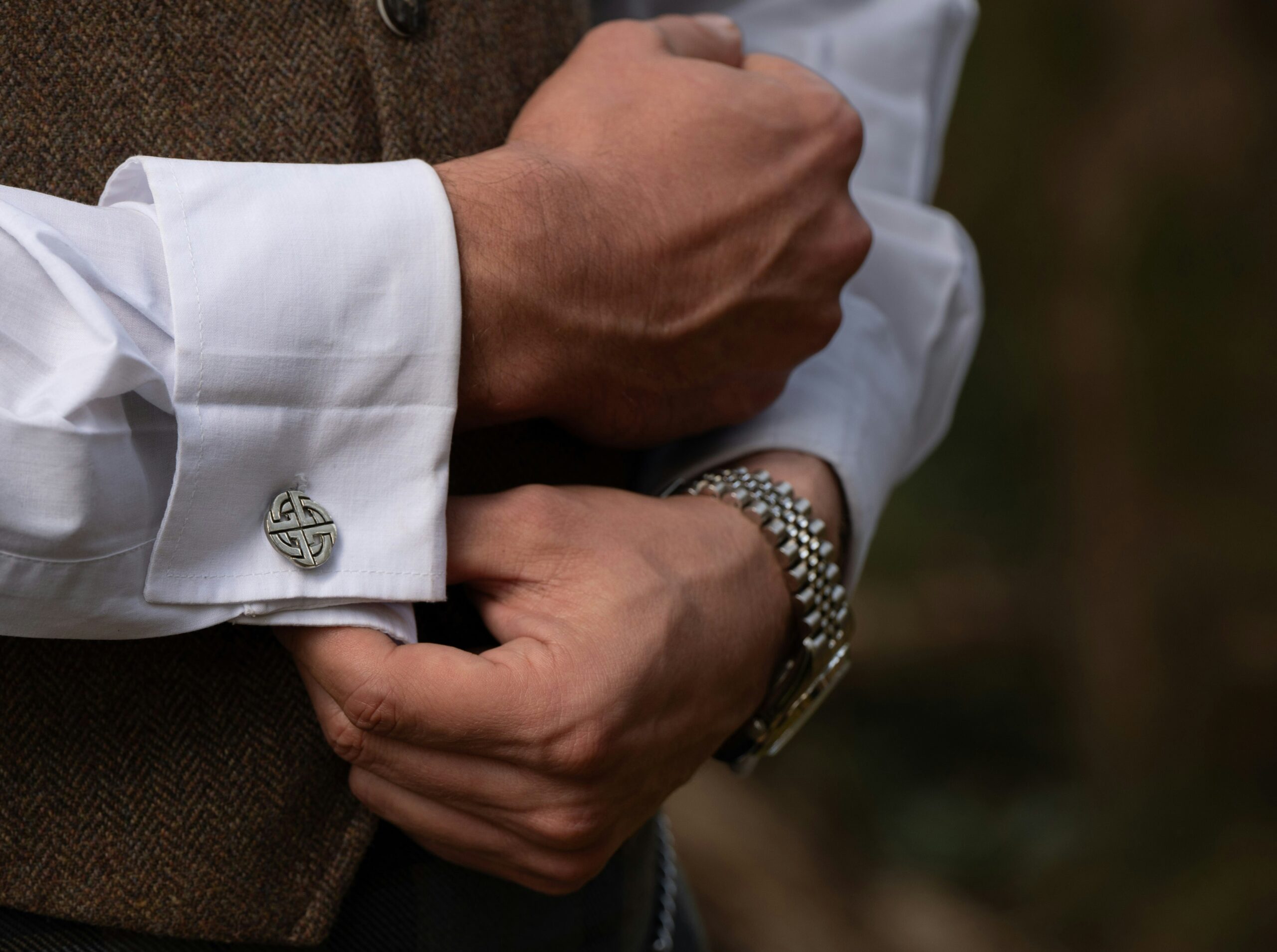
A cufflink is a fastener for French cuffs. These cuffs don’t have buttons like casual shirts do.
Choosing cufflinks shows you value quality. It’s a sign of professionalism.
Types of Cufflinks
Cufflinks come in many designs. Each style suits different tastes and events. Here are some popular ones:
- Bullet Back: Easy to use, with a small cylinder to secure the cuff.
- Whale Back: Has a flat head and a straight post with a tail that flips flat.
- Stud or Button Style: Needs a bit more skill to use, with a larger head and smaller back.
- Chain Link: A classic choice, offering a relaxed fit and vintage charm.
Uses of Cufflinks in Fashion
Adding cufflinks to your outfit shows your style. They’re perfect for formal events or business meetings. They bring polished elegance to your look.
Wearing cufflinks is more than just a practical choice. It’s a nod to tradition and a sign of your attention to detail. Mastering cufflinks makes your look timeless and perfectly put together.
Learn more about cufflinks and their importance in men’s fashion.
Historical Significance of Lapel Pins
Before they became fashion items, lapel pins had a serious role. They show a time when clothes told a lot about a person. The lapel pin‘s history is tied to honour and identity.
The Origin of Lapel Pins
In medieval Europe, knights used brooches and badges. These were not just for show. They showed a knight’s loyalty and achievements in battle.

This tradition led to the elegant lapel pins we see today. They connect us to our past, making them a key part of men’s fashion.
“Style is a way to say who you are without having to speak.”
— Rachel Zoe
Evolution of Lapel Pin Designs
Over time, lapel pins changed from military symbols to personal style statements. Now, they focus on craftsmanship and design. This lets them celebrate tradition and personal taste.
Today, these sophisticated pieces are key accessories for men. They mix old and new styles, showing that true elegance never goes out of style.
Historical Significance of Cufflinks
The cufflink has changed from a simple fastener to a symbol of style. Learning about its history helps us value the premium craftsmanship in our collection today.
The Origin of Cufflinks
Men used ribbons or strings to keep their cuffs closed before buttons were common. These methods were not stylish or practical.
The cufflink was invented to solve this problem. It became a sign of a man’s taste and class.
Cufflinks Through the Ages
In the Victorian era, accessories like cufflinks were very decorative. They had detailed engravings and precious stones. They let men show their status and style without speaking.
By the 20th century, more people could afford cufflinks thanks to mass production. But quality was always key. Today, we keep this tradition alive with designs that mix old charm with new style.
Want to know more about cufflinks’ impact on fashion? Check out our guide to cufflinks. We aim to keep these timeless pieces in your wardrobe, showing your personality and our dedication to quality.
When to Wear a Lapel Pin
Knowing when to wear a lapel pin can make a big difference. These accessories can change a simple suit into a bold statement of style. They are flexible, fitting into your lifestyle and social plans, showing off your unique taste.
Understanding these accessories helps you feel confident in different situations. It’s all about knowing when and how to use them.
Formal Events and Occasions
At events like weddings, black-tie galas, or formal dinners, a lapel pin is perfect. These places need a touch of elegance. Your accessory should enhance your outfit, not take over.
Here’s what we suggest for formal events:
- Floral lapel pins are great for weddings and parties, adding a natural beauty to your lapel.
- Choose metallic or enamel pins for professional meetings to look sharp and in charge.
- Make sure the pin fits your lapel size to keep your look balanced.
Casual Outfits
You don’t need a fancy event to wear a lapel pin. Adding one to your casual clothes or at a laid-back gathering can show off your personality.
Want to learn more about these accessories? Check out what are lapel pins used for to discover new ways to style. Whether it’s a blazer with chinos or a textured jacket, a pin can add depth to your outfit. The trick is to match the pin’s vibe to the event’s mood.
When to Wear Cufflinks
We believe that knowing when to wear cufflinks makes a simple shirt stand out. These accessories show your love for quality and style. They help you look great in different places.

Dress Code Guidelines
Cufflinks are key for formal events, like weddings or black-tie parties. They’re perfect for shirts with French cuffs. Choosing the right cufflink keeps your look classy.
For fancy events, a nice cufflink is a must. It lets you show your style while following the rules. Pick metals that match your watch or tie bar.
Cufflinks for Business Attire
At work, cufflinks show you care about details. They’re great for any business setting. They make you look sharp at meetings or presentations.
You don’t have to save cufflinks for big events. Many people wear them to work to look more professional. Choose simple designs to keep your look professional.
| Occasion | Cufflink Style | Recommended Metal |
|---|---|---|
| Black Tie | Classic/Minimalist | Silver or Platinum |
| Business Meeting | Subtle/Geometric | Brushed Steel |
| Wedding Guest | Decorative/Personalised | Gold or Enamel |
| Formal Dinner | Elegant/Refined | Sterling Silver |
Material Choices: Lapel Pins
The look of a lapel pin comes from the materials used. The choice of material affects how it looks and where it’s best worn. Knowing this helps you pick pins that show your style.
Common Materials Used
Artisans use metals and finishes to make different textures. Hard enamel is popular for its smooth look that shines softly. It’s made by filling in areas with enamel and then polishing it.
Die-struck metal, on the other hand, has a simple yet elegant look. It’s made by stamping designs into brass or copper. This creates a detailed look with a sense of history.
The Impact of Material on Style
The material you choose changes how your outfit looks. A bright, enamel lapel pin makes a bold statement. It’s great for adding personality to formal clothes. But, brushed metal looks more professional and is better for everyday wear.
“Quality is never an accident; it is always the result of high intention, sincere effort, intelligent direction and skilful execution.”
— William A. Foster
Think about these points when picking your next accessory. This helps make sure it fits with your clothes:
| Material Type | Finish | Best Occasion | Durability |
|---|---|---|---|
| Hard Enamel | Glossy/Smooth | Formal Events | High |
| Die-Struck Brass | Antique/Matte | Business/Daily | Very High |
| Sterling Silver | Polished/Refined | Black Tie | Moderate |
The life of your lapel pin depends on its quality. Choosing high-quality materials means your pins will last for a long time.
Material Choices: Cufflinks
Choosing the right material for your cufflink is key. It affects both how long they last and how they look. The right metal can make your wardrobe look sophisticated and timeless.
Different Types of Metals
There are many materials to choose from, each adding its own special touch. Stainless steel is great for those who want something strong and simple. It doesn’t tarnish and stays shiny for years.
For a more classic look, gold and silver are top choices. They add a warm, luxurious feel to any outfit. This makes them perfect for formal events where looking refined is important. You can find more about picking the right cufflink style to go with these materials.
How Material Affects Cufflink Value
The value of your accessories often depends on the metal they’re made of. Gold and silver are seen as more valuable and prestigious. They are a sound investment for anyone who loves collecting.
Base metals might be cheaper, but they don’t last as long or have the same prestige. By choosing high-quality materials, you make sure your cufflinks will be treasured for years. It shows you value refinement and lasting elegance.
Style Tips for Lapel Pins
Learning how to style a lapel pin boosts your confidence in dressing up. These small pieces add a touch of refined elegance to any outfit. They let you show off your style with grace.

Matching with Outfits
Creating a cohesive look means matching your pieces well. Always pair your lapel pin metal with other metallics, like your watch or cufflinks.
Here are key tips to make sure your suit accessories match perfectly:
- Match the metal finish; if your watch is silver, choose a silver-toned pin.
- Balance the pin’s size with your lapel’s width for a good look.
- Let the pin enhance your pocket square’s colour, not clash with it.
Seasonal Considerations
Accessorising changes with the seasons. Just like you swap fabrics, adjust your pin style for each season.
In summer, light fabrics like linen or cotton go well with bright or floral pins. For cooler weather, choose deeper tones and textured metals that match wool or tweed. Picking the right lapel pin for the season shows off your discerning taste.
Style Tips for Cufflinks
Getting a polished look is all about balance, from choosing the right cuff accessories. It’s key to know how to style each piece in your suit accessories collection. The best looks come from every detail being thought out.
Pairing Cufflinks with Shirts
The look starts with the shirt. Think about the fabric’s weight and texture when picking a cufflink. A crisp white shirt is perfect for most designs. But, a textured shirt might look better with simpler metal pieces.
- Double Cuffs: These are great for formal events and need a quality accessory.
- Fabric Weight: Match your jewellery’s look to your shirt’s thickness for a nice finish.
- Occasion Suitability: Fancy designs are best for social events. Stick to classic metals for work.
Colour Coordination Tips
Matching your shirt and cufflink colours is crucial for a polished look. Look for small connections between your accessories and outfit. Matching metal tones with your watch or belt buckle makes your look cohesive.
Here are tips for matching colours:
- Monochromatic Elegance: Silver or white gold goes well with blue or grey shirts.
- Warm Accents: Gold or rose gold suits cream or ivory shirts for evening wear.
- Strategic Contrast: Coloured enamel or gemstones inlays can match your tie or pocket square, showing off your how to style skills with suit accessories.
Your style should show your confidence. Feel free to try new combinations, but keep balance and proportion in mind.
Care and Maintenance of Lapel Pins
Looking after your accessories shows your dedication to quality. Choosing to accessorise in style means investing in pieces that show your taste. Keeping your lapel pin in top condition ensures it stays beautiful for many years.
Cleaning Your Lapel Pins
To keep your collection shining, clean them gently. Use a soft, dry cloth to wipe away dust and oils that can dull the finish.
Stay away from harsh chemicals and rough materials. They can harm the delicate parts of your lapel pin. For a deeper clean, use a mild soap and warm water. Make sure to dry it right away.
Storing and Protecting Pins
Storing your accessories properly is as important as cleaning. Store them in a jewellery box or a soft pouch to avoid scratches and bends.
Keep your items in a cool, dry spot, away from sunlight. Moisture can cause tarnishing, so a controlled environment is key to keeping them looking their best.
| Material Type | Cleaning Method | Storage Tip |
|---|---|---|
| Gold/Silver Plated | Soft microfibre cloth | Anti-tarnish pouch |
| Enamel | Damp cloth, dry well | Separate compartment |
| Base Metal | Dry polishing cloth | Avoid humid areas |
Care and Maintenance of Cufflinks
Your personal style shines through how you care for your wardrobe. Every cufflink needs attention to keep its shine and strength over time.
Maintaining Pristine Condition
Use a soft, lint-free cloth to wipe away oils or moisture after each wear. For deeper cleaning, a mild soap solution works wonders on most metal surfaces. Gently pat your cufflink dry to prevent water spots or tarnishing.
Organised Storage Solutions
Dedicated jewellery boxes with individual compartments protect your pieces from scratches. Keeping each cufflink separate prevents metal-on-metal friction that damages delicate finishes. A velvet-lined tray offers the ideal environment for long-term preservation.
We believe these small habits elevate your daily routine into a ritual of self-respect. By curating your collection with such precision, you ensure your accessories remain ready for any occasion. Your journey toward refined self-expression relies on these timeless details that define your unique presence.
# Lapel Pin vs Cufflink Guide for Timeless Style and Elegance
At the heart of a refined wardrobe is knowing the subtle differences in men’s fashion. We believe the right suit accessories do more than just complete an outfit. They are a silent conversation between the wearer and the world. Exploring lapel pins and cufflinks, we guide you through the details that turn a standard suit into a statement of style and sophistication.
## Understanding Lapel Pins: Definition and Purpose
### What is a Lapel Pin?
A lapel pin is a sophisticated marker of identity, traditionally worn on the left lapel of a blazer or suit jacket. We see these pieces as small canvases for personal expression, offering a glimpse into the wearer’s affiliations, achievements, or aesthetic preferences.
### Types of Lapel Pins
Our curated collections offer a wide variety. From hard enamel pins with a glass-like finish and durability to bespoke boutonnières or floral pins, each style offers a unique texture. High-end designers like Alice Made This create minimalist, sculptural pins that redefine modern men’s fashion.
### Uses of Lapel Pins in Fashion
Beyond decoration, pins add a touch of personality to a dark suit. We recommend using them to inject a sense of refined personality into your ensemble, whether through a heritage crest or a contemporary geometric design.
## Understanding Cufflinks: Definition and Purpose
### What are Cufflinks? Cufflinks are the quintessential bridge between functional utility and high fashion. Designed to secure the cuffs of a shirt—specifically the double or “French” cuff—they replace the standard button with a touch of premium craftsmanship.
### Types of Cufflinks
The landscape of cufflink design ranges from the classic T-bar and whale back to the sophisticated chain link.
### Uses of Cufflinks in Fashion
In professional and formal circles, cufflinks are indispensable. They demonstrate a meticulous attention to detail, signalling to peers and partners that you value quality and the storied traditions of tailoring.
## Historical Significance of Lapel Pins
### The Origin of Lapel Pins
The lineage of the lapel pin can be traced back to the badges of honour worn by knights. These early iterations served as functional symbols of loyalty and rank. This historical weight adds a layer of gravity to every pin we select for our collections.
### Evolution of Lapel Pin Designs
Over centuries, these markers evolved from military decorations to the stylish accessories we recognise today. While they have maintained their connection to tradition, modern designs allow for a broader spectrum of creativity, balancing heritage with a contemporary edge.
## Historical Significance of Cufflinks
### The Origin of Cufflinks Cufflinks emerged in the 17th century as “sleeve strings,” used by the elite to fasten their lace cuffs. By the Victorian era, they had become a staple for the discerning gentleman, reflecting the rise of the formal shirt as a status symbol.
### Cufflinks Through the Ages
## When to Wear a Lapel Pin
### Formal Events and Occasions
For weddings or gala dinners, a lapel pin adds a layer of ceremony. We suggest a floral pin or a precious metal design to complement the gravity of the occasion without overshadowing the overall silhouette.
### Casual Outfits
The beauty of the lapel pin lies in its versatility. On a tweed sport coat or a casual linen jacket, a whimsical or artistic pin provides a relaxed yet deliberate touch of sophistication for social gatherings.
## When to Wear Cufflinks
### Dress Code Guidelines Cufflinks are traditionally reserved for formal “Black Tie” or “White Tie” events where a French cuff shirt is mandatory. Yet, their use extends beautifully into any environment where excellence is the standard.
### Cufflinks for Business Attire
In the boardroom, a pair of understated silver or gold cufflinks serves as a subtle signal of authority and commitment to quality. They complete the professional “armour” of a well-tailored suit, providing a polished finish to the wrist.
## Material Choices: Lapel Pins
### Common Materials Used
Our selection process focuses on the tactile and visual impact of materials. Hard enamel offers vibrant, lasting colour, while die-struck metals provide a crisp, three-dimensional texture. For a softer look, fabric or silk flowers offer a romantic, sensory experience.
### The Impact of Material on Style
The choice of material dictates the tone of the accessory. A matte metal pin suggests a modern, understated aesthetic, whereas a polished gold pin conveys a classic, premium sense of luxury.
## Material Choices: Cufflinks
### Different Types of Metals
From the resilience of surgical-grade stainless steel to the heirloom quality of sterling silver and 18-karat gold, the material of a cufflink is a testament to its value.
### How Material Affects Cufflink Value
Investment-grade cufflinks are defined by the purity of their metals and the skill of the artisan. High-quality materials ensure that your accessories remain timeless additions to your wardrobe, gaining character over years of wear.
## Style Tips for Lapel Pins
### Matching with Outfits
The art of coordination is subtle. We recommend matching the metal of your lapel pin with your watch or belt buckle to create a cohesive narrative. The pin should enhance, not compete with, your pocket square.
### Seasonal Considerations
In winter, heavier fabrics like wool and flannel pair exquisitely with substantial metal pins. Spring and summer call for lighter, perhaps more colourful or floral designs that reflect the vibrancy of the season.
## Style Tips for Cufflinks
### Pairing Cufflinks with Shirts
The interplay between the shirt fabric and the cufflink is vital. A crisp white poplin shirt serves as the perfect backdrop for almost any design, while a patterned shirt requires more understated, solid-tone accessories.
### Colour Coordination Tips
To achieve visual harmony, we suggest pulling a secondary colour from your tie or shirt pattern and reflecting it in the enamel or gemstone of your cufflinks. This creates a thoughtful, curated look that feels effortless.
## Care and Maintenance of Lapel Pins
### Cleaning Your Lapel Pins
To preserve the lustre of your pins, we recommend a gentle wipe with a soft, lint-free cloth after each wear. For enamel pieces, a slightly damp cloth can remove surface dust, ensuring the premium craftsmanship remains visible.
### Storing and Protecting Pins
Proper storage is essential. We advise keeping your pins in individual compartments or a dedicated jewellery box to prevent scratching and to maintain their structural integrity over time.
## Care and Maintenance of Cufflinks
### Proper Cleaning Techniques Cufflinks crafted from precious metals may tarnish over time. Using a specialised silver or gold polishing cloth will restore their brilliance. For intricate designs, a soft-bristled brush can gently clear away any residue from the mechanisms.
### Storage Solutions for Cufflinks
We believe that caring for your items reflects your appreciation for quality. Storing cufflinks in a lined box not only protects the finish but also ensures that pairs remain together, ready for your next formal engagement.
## FAQ
### Q: What is the primary difference between a lapel pin and a cufflink?
A: The fundamental difference lies in their function and placement. A lapel pin is a decorative accessory worn on the jacket lapel to express identity or style, whereas a cufflink is a functional piece used to secure the cuffs of a dress shirt. In a comparison of suit accessories, the lapel pin is more about personal flair, while the cufflink is a staple of formal construction.
### Q: When to wear a lapel pin versus a cufflink?
A: While both can be worn together, cufflinks are generally required for formal settings and shirts with French cuffs. A lapel pin can be worn more broadly, from formal weddings to casual social gatherings. We recommend wearing both when you wish to project a fully realised, refined image at high-stakes professional or social events.
### Q: How to style these accessories together without overdoing it?
A: The key to mastering men’s fashion is balance. Ensure the metals—such as silver, gold, or rose gold—match across all your accessories to maintain a cohesive and sophisticated aesthetic.
### Q: Can lapel pins be worn on casual jackets?
A: Absolutely. One of the most versatile aspects of the lapel pin is its ability to elevate casual attire. Pinning a unique design to a denim or corduroy jacket adds an element of personal expression and intentionality that sets your style apart from the crowd.
### Q: Are there specific suit accessories that are considered “essential” for a professional wardrobe?
A: We consider a pair of classic silver cufflinks and a subtle, high-quality lapel pin to be essential. These pieces allow you to navigate various dress codes with confidence, ensuring you always appear polished and attentive to detail.