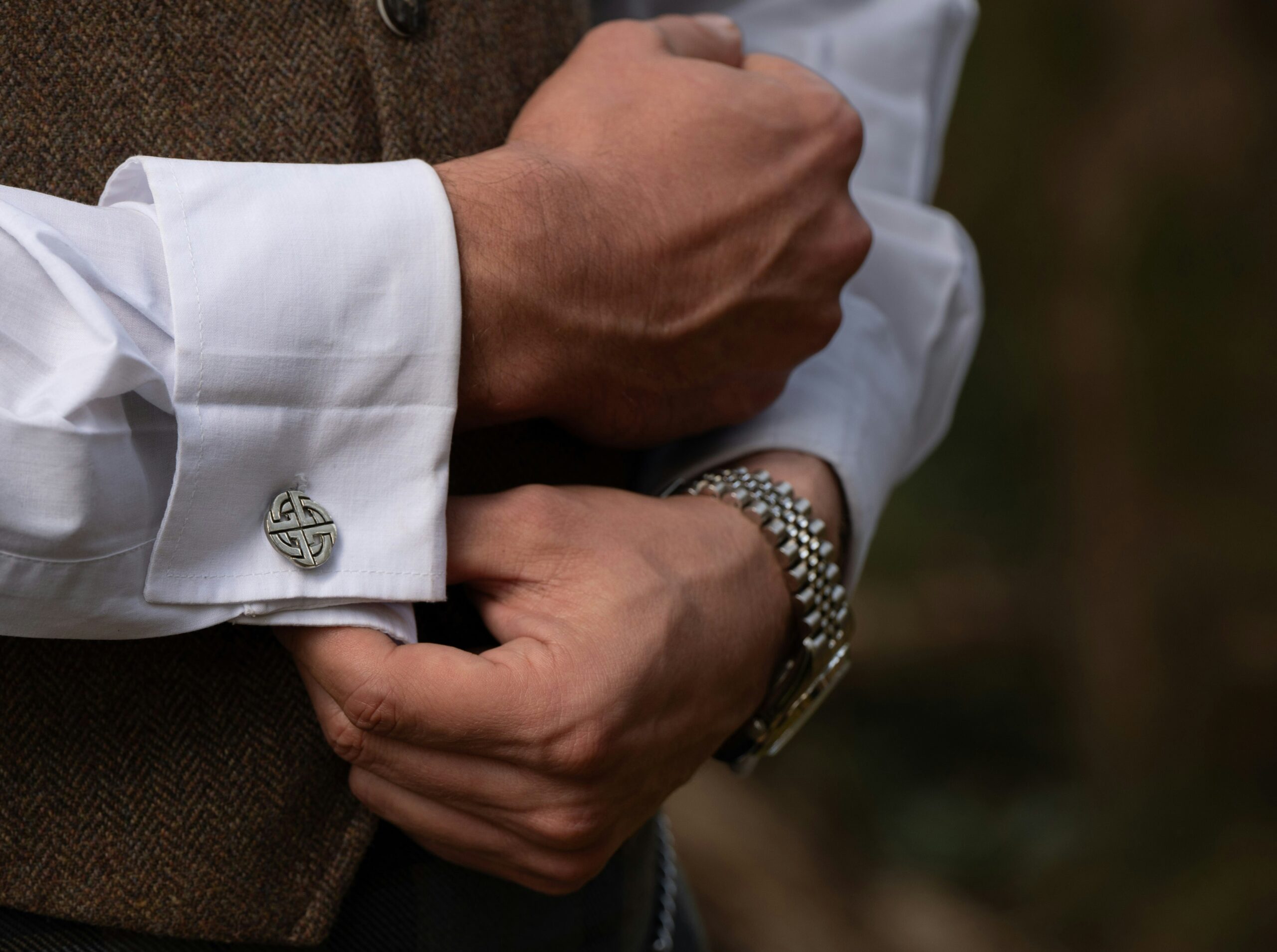
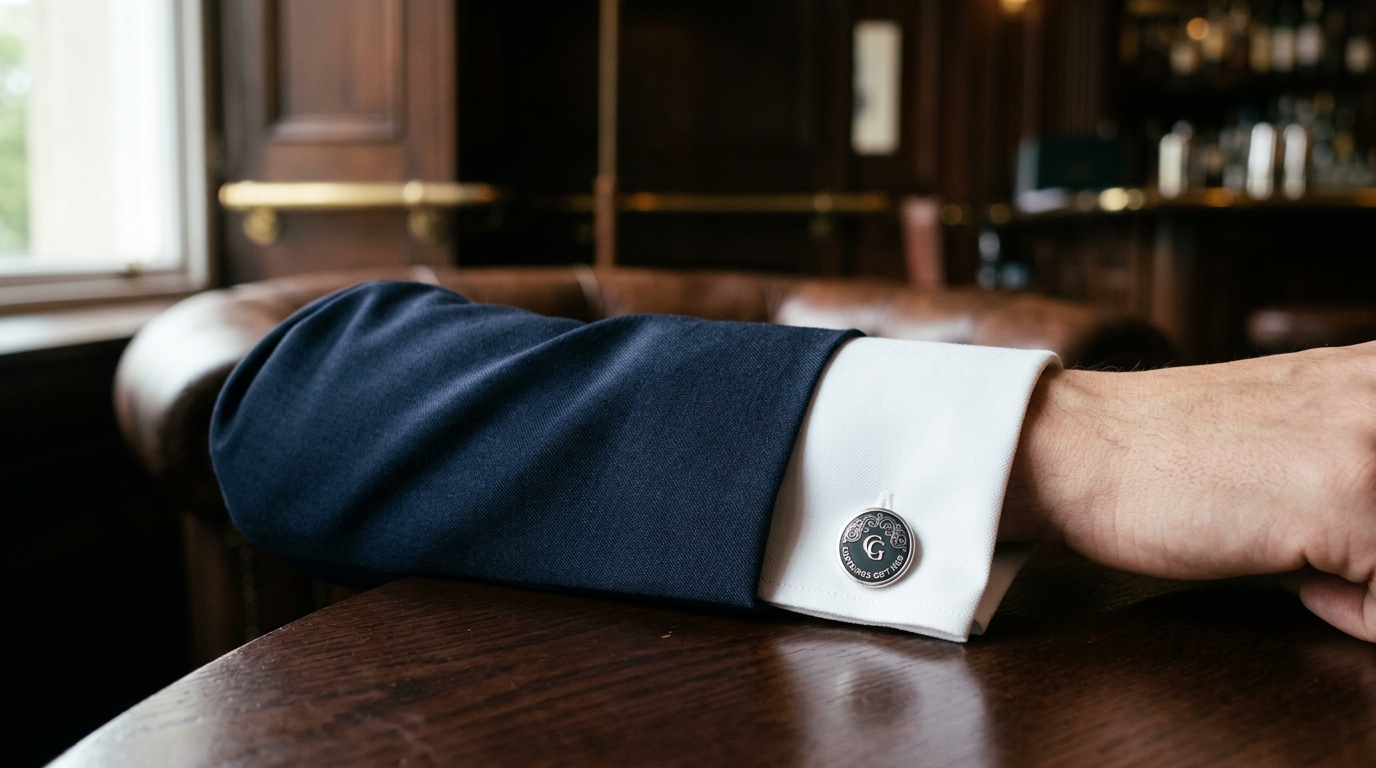
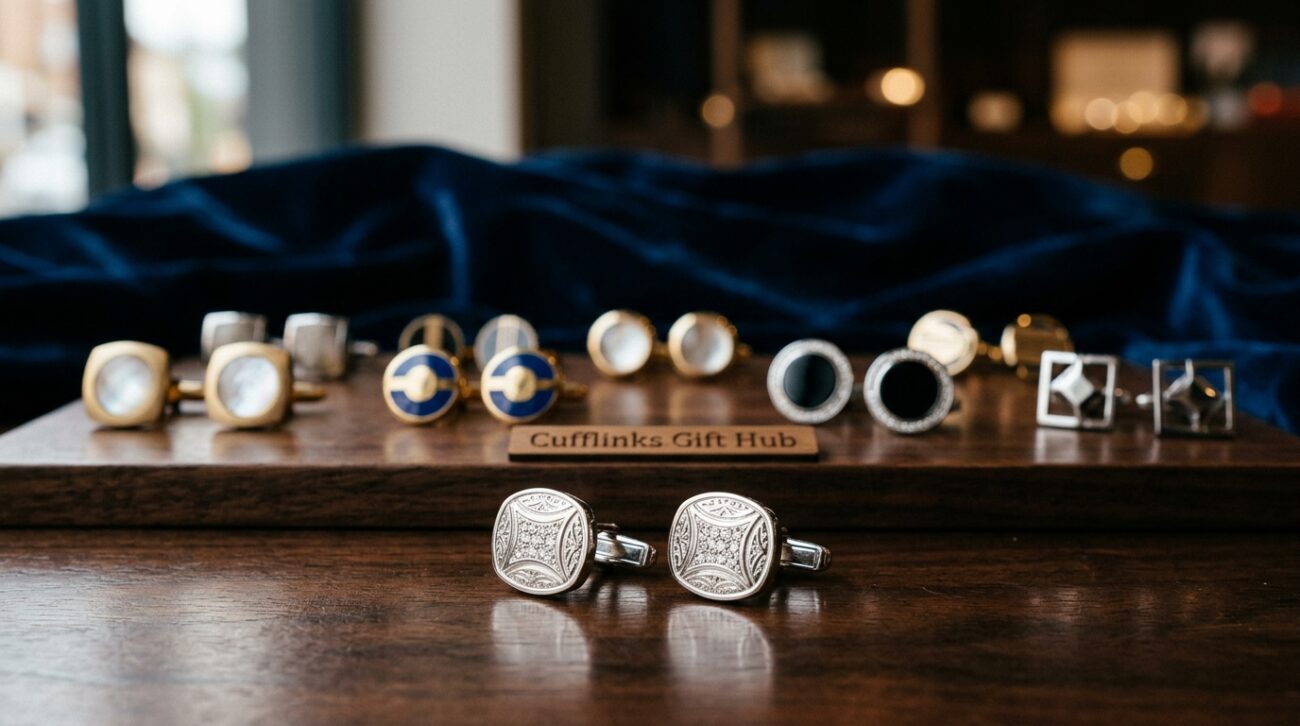
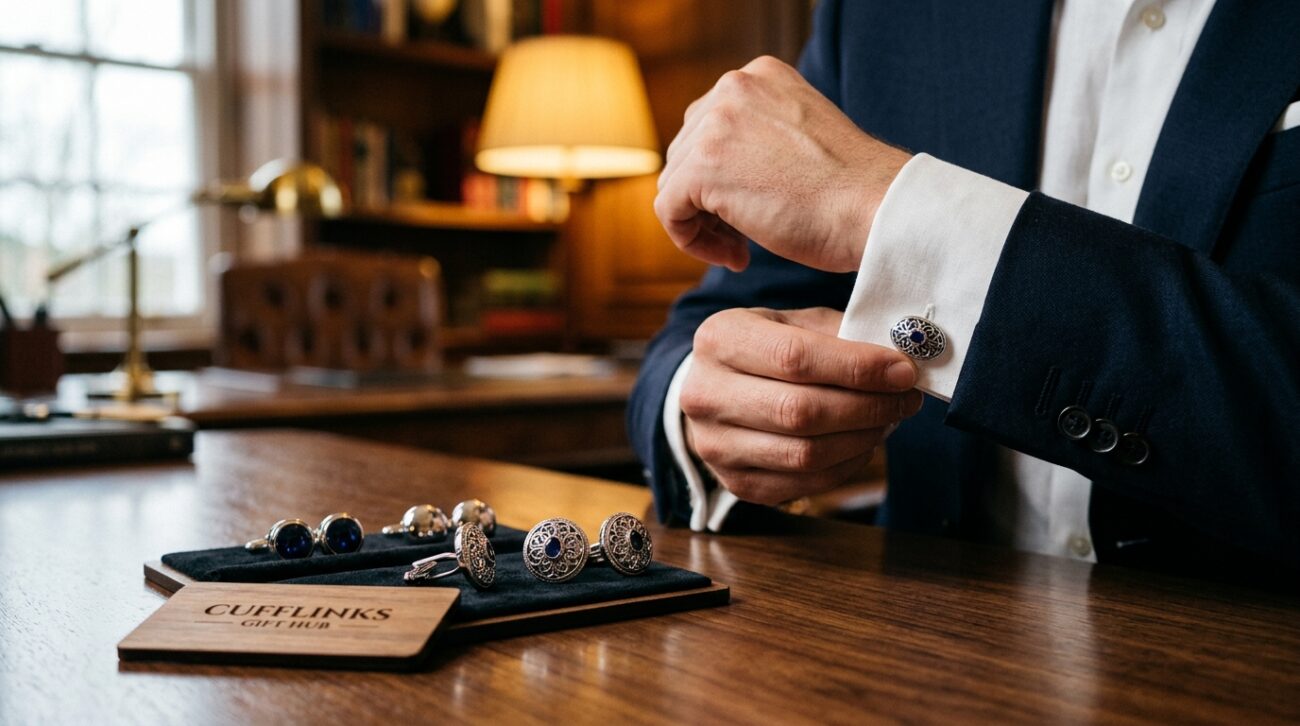
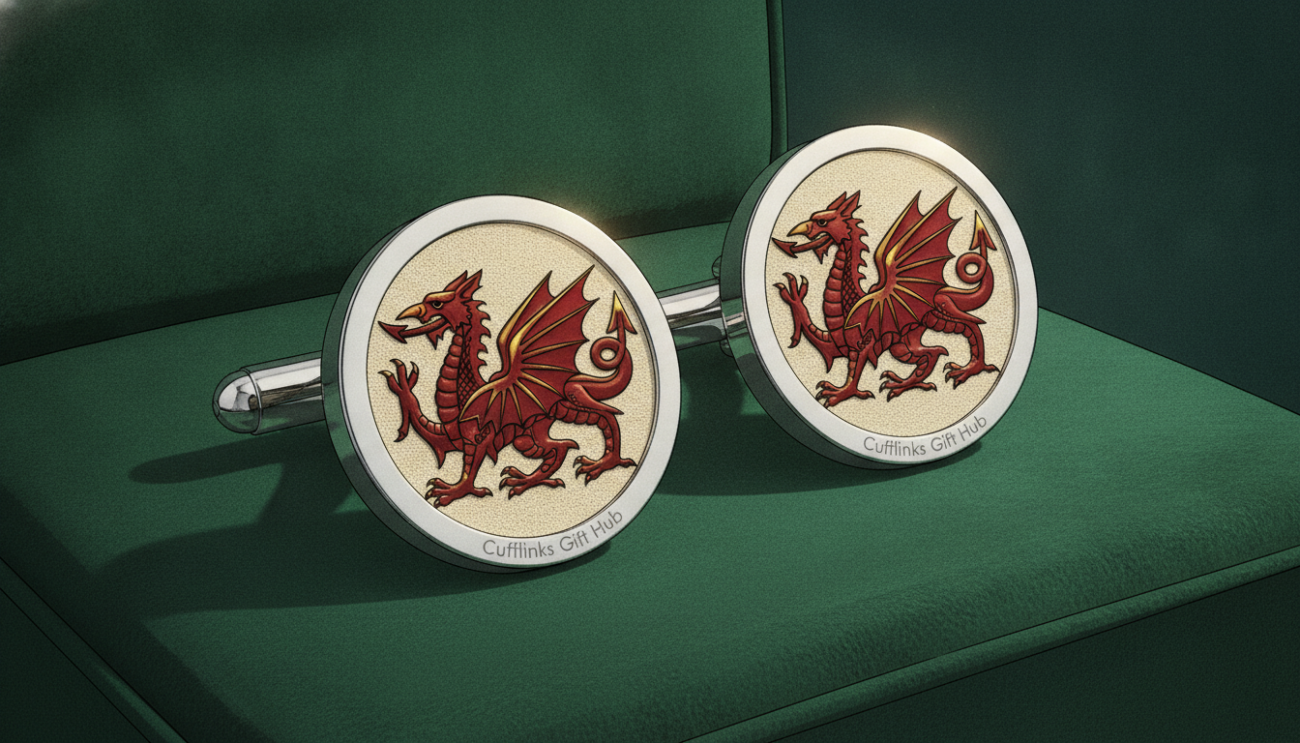
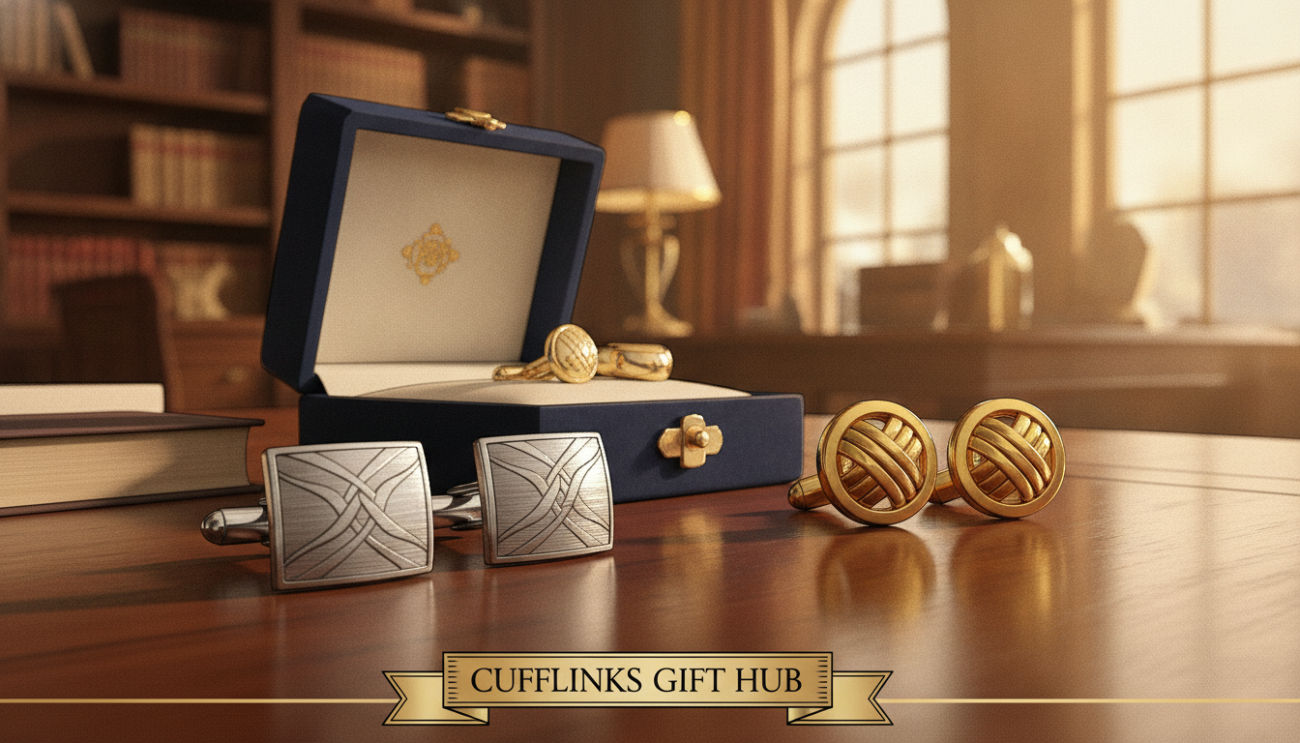
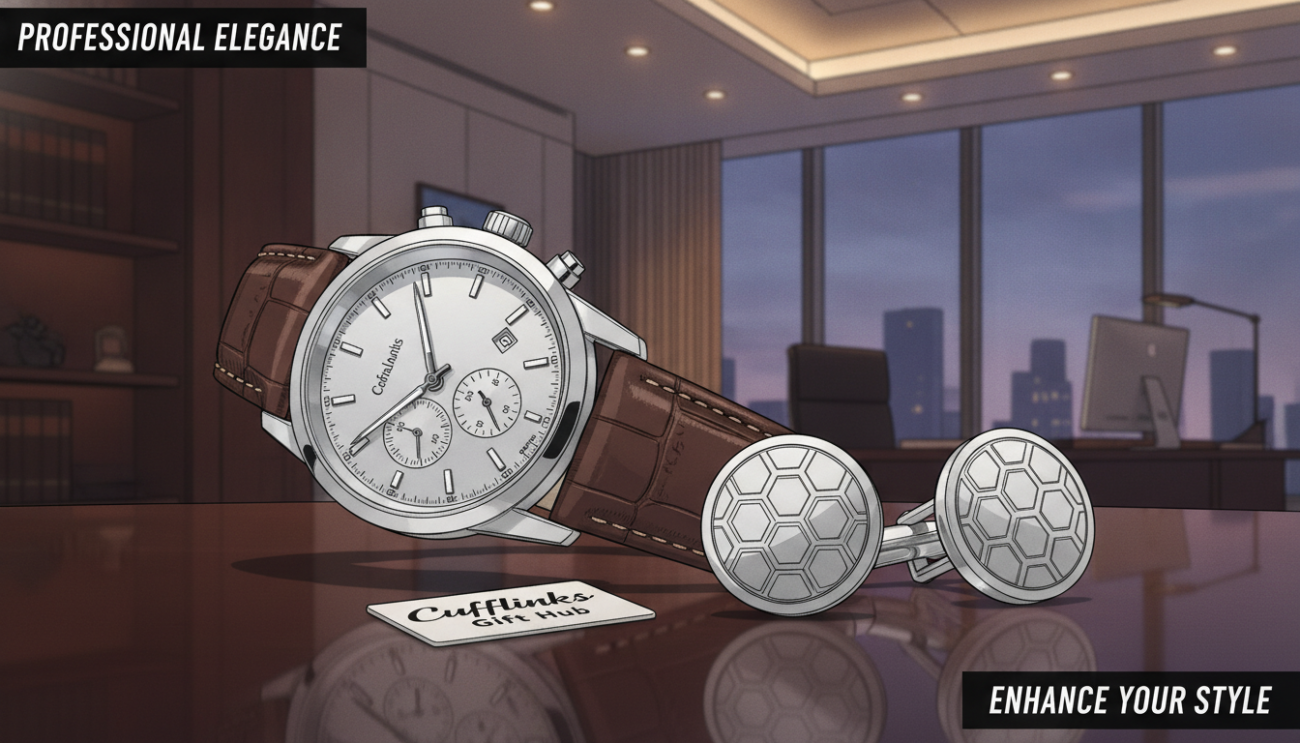
Small details often shape a well-dressed look. A cufflink on suit sleeves adds a refined touch to formal clothes. This formal menswear accessory gives business tailoring and evening wear a neat, polished finish.
Good style depends on balance and personal expression. At a wedding or a high-stakes boardroom meeting, your outfit must work as a whole. Our guide to cufflinks explains premium craftsmanship and timeless elegance.
how to wear cufflinks with confidence helps you show personality while staying professional. Learn about placement, shirt compatibility, and proper etiquette. Together, we can improve your approach to refined dressing.
Key Takeaways
- Select accessories that harmonise with your existing tailoring to ensure a cohesive aesthetic.
- Recognise the importance of shirt compatibility when choosing your preferred fastening style.
- Prioritise quality materials to maintain a sophisticated and timeless appearance.
- Formalise your look by matching metal tones with other jewellery pieces like watches.
- Practise proper care to preserve the lustre and longevity of your collection.
Understanding Cufflinks: A Brief Overview
We believe every well-dressed person should value the history and use of these small but powerful accessories. People often see them as functional items, yet they add a refined signature to any wardrobe. This guide to cufflinks will help you explore sartorial elegance with confidence.
What Are Cufflinks?
Cufflinks are decorative fasteners designed to secure the cuffs of a dress shirt. Unlike standard buttons, they give a distinctive visual finish that lifts the whole outfit. They are essential for shirts with double or French cuffs, which lack permanent buttons.
Besides securing cuffs, these accessories express personal taste in a subtle way. You may prefer understated minimalism or bold, artistic designs for a unique touch. The right choice keeps your outfit functional and sophisticated.
Different Types of Cufflinks
The market offers many cufflink styles, each shaped by its own fastening mechanism. Learning about these designs helps you choose comfort and ease of use for your day. A classic bullet-back and traditional chain-link each offer a different look and level of security.
| Mechanism | Ease of Use | Formality Level |
|---|
| Bullet-back | High | Business/Casual |
| Whale-back | High | Business |
| Chain-link | Moderate | Formal/Classic |
| Stud/Button | Low | Black Tie |
Materials Used in Cufflinks
Your material choice affects the durability and texture of your accessories. Premium craftsmanship often appears in sterling silver, gold, or platinum, which offer timeless appeal. These precious metals suit formal events requiring a polished, high-end look.
For relaxed settings, consider enamel, silk knots, or semi-precious gemstones. These materials add colour and personality to your outfit. The right material keeps your accessories suitable for the occasion and true to your personal style.
Choosing the Right Suit for Cufflinks
We see every wardrobe detail as part of one complete look. Rather than treating suit accessories as separate details, we match them to the full silhouette.
Suit Styles That Complement Cufflinks
Your look begins with the suit’s tailoring. Classic navy, charcoal, and black suits create a timeless background for striking cufflinks.
Lighter grey or seasonal fabrics create a relaxed style, ideal for daytime events. When styling menswear, let the jacket’s structure guide your hardware choice.
Colour Coordination Tips
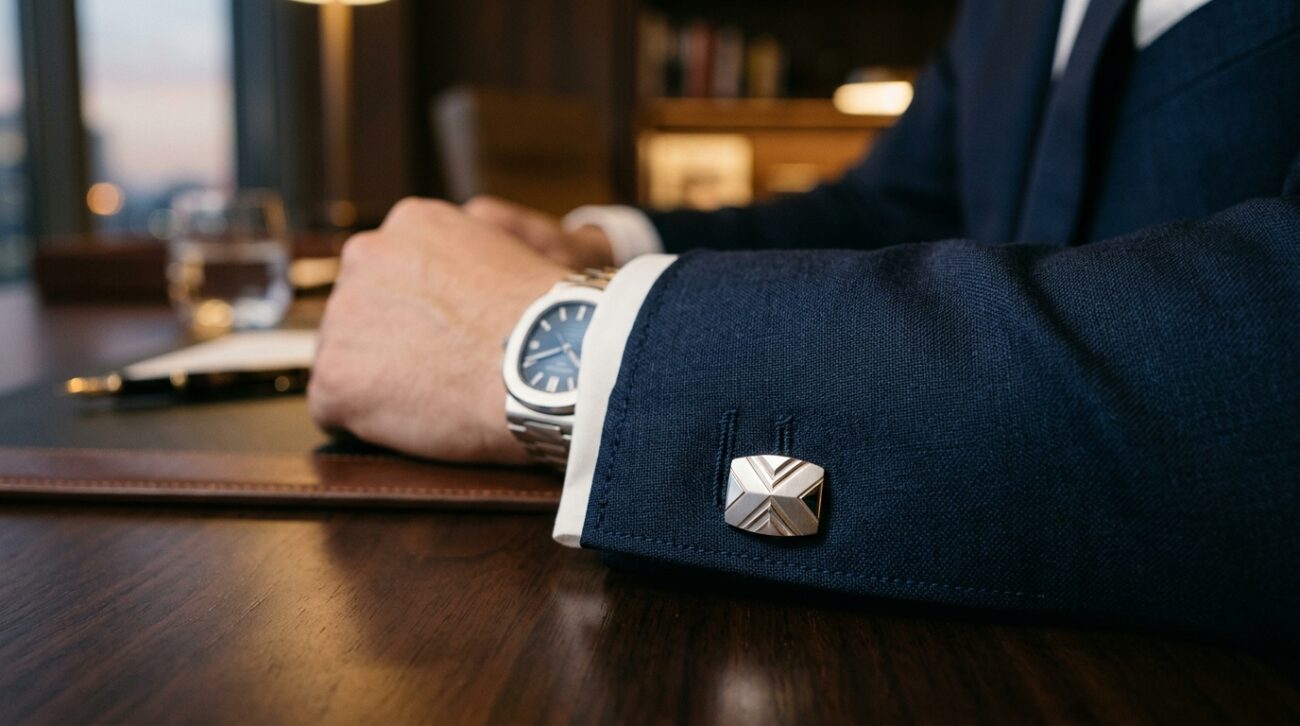
A polished finish depends on contrast and matching tones. A dark suit with silver-tone cufflinks creates a sharp, professional look that remains elegant.
“True elegance is not about being noticed, it is about being remembered.”
For a subtler style, match your cufflinks with your watch or belt buckle. Silver-tone designs suit a refined wardrobe because they work with almost any colour palette.
Fabric Considerations
Your suit fabric’s texture should guide your choice of cufflink finish. Polished metals contrast with heavy wool or evening cloth, while textured, enamelled, or fabric-covered cufflinks suit linen or velvet.
- Wool and Evening Cloth: Best suited for polished precious metals or high-shine finishes.
- Linen and Cotton: Ideal for matte, brushed, or fabric-based designs.
- Velvet: Pairs well with intricate, vintage-inspired, or gemstone-set pieces.
Matching your accessories with your tailoring’s weight and texture shows skill in styling menswear. This care makes your suit accessories the final polished touch.
Selecting the Perfect Cufflinks
When you build your wardrobe, the right cufflinks add the final touch of elegance in formal attire. Choose a pair that suits the setting and reflects your personal taste. Pieces that complement your outfit keep your look polished and well matched.
Dress Codes and Appropriate Cufflinks
At work, choose minimalist metal designs. Silver, gold, and platinum finishes look neat and simple, while showing confidence without seeking attention. These classic cufflink styles suit a polished business outfit.
At celebrations, you can choose more expressive designs. Try enamel, unusual textures, or subtle gemstones to bring warmth and personality to your outfit. For a black-tie event, stud cufflinks are the gold standard for tuxedo shirts, giving a seamless, highly formal finish.
Personal Style and Cufflink Choices
Your accessories should reflect your character. True elegance in formal attire comes from choices that show your individuality. Choose pieces that enhance your suit instead of competing for attention.
Whether you prefer geometric shapes or vintage-inspired motifs, choose pieces that feel true to you. Trying different cufflink styles lets you show your taste in an intentional, sophisticated way. The most memorable outfits give every detail care and confidence.
How to Properly Fit Cufflinks on Your Suit
A perfect cufflink on suit look depends on well-aligned shirt cuffs. First, check that your shirt has French, double, or convertible cuffs. Standard button cuffs usually do not suit these accessories.
Refined style starts with the right shirt. It gives your cufflinks a firm base, helping them sit safely and look their best.
Pairing with the Right Cuffs
To create a smooth look, fold the cuff back so both sides line up. Make sure the buttonholes on each layer sit directly over one another.
After aligning the cuffs, slide the cufflink post through every fabric layer. When you learn how to wear cufflinks carefully, its decorative face stays visible. The fastening then rests comfortably against your wrist.
Adjusting for Different Cuff Styles
Each design needs different handling to stay secure throughout the day. Bullet-back and whale-back designs are popular because they are easy to use, while chain-links offer a traditional, flowing look.
Studs and fixed-back designs create a firm, formal look that stays securely in place. Knowing your accessory’s mechanism supports comfort and style.
| Cufflink Type | Mechanism | Security Level |
|---|
| Bullet-back | Rotating post | High |
| Chain-link | Flexible chain | Moderate |
| Fixed-back | Solid construction | Very High |
| Stud | Button-style | High |
Mastering how to wear cufflinks can turn your outfit into a statement of sophistication. Before your event, check that your cufflink on suit combination feels balanced and secure.
The Art of Cufflink Placement
True sophistication in mens fashion often appears in the smallest, most careful details of your outfit. Many notice the suit jacket or tie, but cuff placement shows your understanding of personal style. Learning how to wear cufflinks precisely can turn a standard outfit into a lesson in refined elegance.
Positioning for Maximum Impact
For a polished look, keep the decorative face of each cufflink facing outwards. This lets the design catch the light and remain visible during natural gestures. When your arms rest at your sides, the motif should stay aligned, not turn towards the floor.
Check that the cufflink shank passes evenly through both layers of cuff fabric. This ensures a balanced fit and stops the cuff from bunching or twisting. Such care shows that your style is intentional, not accidental.
Coordinating with Other Accessories
To create harmony, balance every metallic element in your ensemble. Cufflinks should complement, not compete with, your wristwatch, tie bar, or pocket square. If you wear a silver watch, silver-toned cufflinks create a cohesive and timeless aesthetic.
Avoid over-accessorising, which can make your outfit look crowded. Instead, focus on how to wear cufflinks as a subtle accent to your look. When accessories work together, you project quiet confidence and show true sophistication in mens fashion.
Cufflink Etiquette: Dos and Don'ts
We believe a well-dressed person matches accessories to each occasion. True elegance in formal attire needs restraint and personal expression. Knowing the event helps your choices show confidence and respect for its setting.
Proper Wear for Formal Occasions
For professional settings, choose an understated formal menswear accessory with a metal finish. Silver, gold, or platinum offers a timeless look with a business suit. These choices show professionalism and respect for quality craftsmanship.
Celebrations and relaxed social gatherings let you show your personality. Choose bold designs, unusual shapes, or subtle novelty pieces. Keep the accessory tasteful, rather than making it the focal point.
Common Faux Pas to Avoid
Minor coordination mistakes can weaken even a sophisticated outfit. To keep a polished image, avoid these common errors:
- Incompatible Cuffs: Never attempt to force cufflinks into standard button cuffs; they are designed exclusively for double or French cuffs.
- Excessive Proportions: Avoid oversized or overly heavy designs that disrupt the clean lines of your shirt sleeves.
- Ignoring Formality: Wearing whimsical or highly casual designs to a black-tie event can clash with the required elegance in formal attire.
- Clashing Metals: Try to coordinate the metal of your cufflinks with other accessories, such as your watch or belt buckle, for a cohesive look.
Your choice of a formal menswear accessory should express your style naturally. Prioritise suitable choices and thoughtful coordination for an intentional, well-curated look.
Styling Your Cufflinks with Other Accessories
Treat each part of your outfit, from shirt to shoes, as part of one clear visual story. Your suit accessories should work together, creating a polished and thoughtful final look.
Ties and Pocket Squares
masterful coordination comes from harmony, not exact matching. Choose complementary colours and textures that work together without being identical. For instance, a navy silk tie pairs with silver cufflinks featuring subtle blue enamel, creating a sophisticated, united look.
When choosing a pocket square, notice secondary colours in your tie or shirt pattern. This approach to styling menswear adds depth to your outfit. Balance patterns and fabric weights to create a dynamic, balanced look.
Watches and Other Jewelry
Metal choice is a powerful part of your style. Match your cufflinks with your watch case and belt buckle for a clean, deliberate look. If you have a discerning eye, mixing metals can add complexity.
If you mix metals, keep one tone dominant to prevent visual clutter. Treat your watch, cufflinks and rings as one hardware set that anchors your outfit. When these elements align, they lift the whole ensemble and show careful attention to detail.
| Accessory Element | Coordination Strategy | Visual Impact |
|---|
| Cufflinks & Watch | Match metal tones | Professional and clean |
| Tie & Pocket Square | Complementary palettes | Sophisticated depth |
| Overall Ensemble | Texture and proportion | Polished and intentional |
Maintaining Your Cufflinks
A well-curated collection of cufflinks deserves the same care as your finest tailored suit. Regular cufflink care protects their beauty and mechanical integrity. This maintenance helps your pieces reflect the premium cufflink craftsmanship of a sophisticated wardrobe.
Cleaning and Care Tips
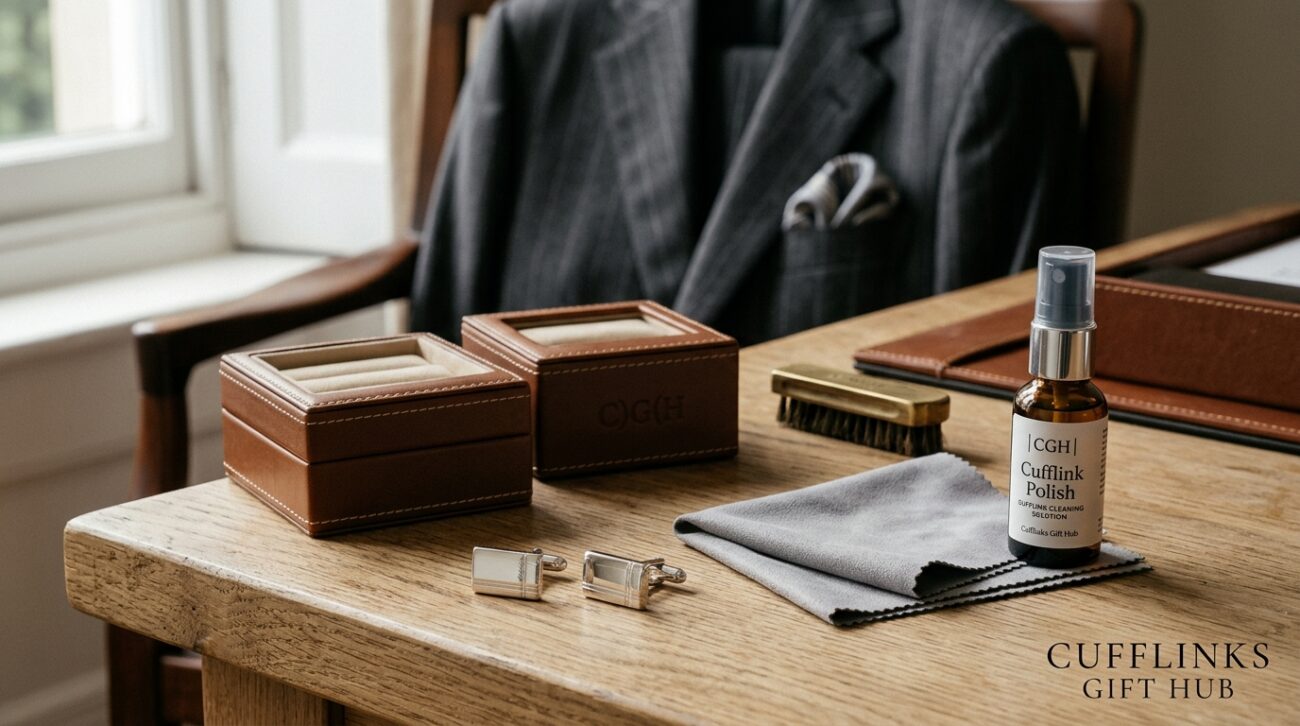
Different materials need specific care to stay in pristine condition. For most metal pieces, gently wipe them with a soft, lint-free cloth after each use. This removes oils and perspiration. Avoid harsh chemical cleaners, which can strip finishes or damage delicate inlays.
For organic materials like mother-of-pearl or softer gemstones such as emeralds, use only a slightly damp cloth. Handle silk knot cufflinks with extreme caution; professional dry cleaning is often safest if they become soiled. Ensure accessories are completely dry before storage to prevent tarnishing or fabric degradation.
Storage Solutions for Longevity
Proper storage is as vital as cleaning for preserving premium cufflink craftsmanship. Use a dedicated jewellery box with individual, soft-lined compartments. This prevents scratches from metal-on-metal contact and keeps your collection organised.
Avoid direct sunlight and high humidity, which can cause discolouration over time. Keeping each pair separate prevents tangling and keeps favourite pieces ready for your next formal engagement.
| Material | Cleaning Method | Storage Requirement |
|---|
| Polished Metal | Soft microfibre cloth | Individual velvet slot |
| Mother-of-Pearl | Damp, soft cloth | Dry, dark compartment |
| Silk Knots | Professional cleaning | Breathable fabric pouch |
| Enamel | Mild soapy water | Soft-lined case |
Popular Cufflink Brands to Consider
Reputable brands can keep your style sharp and reliable for years. The brand behind your accessories can shape your outfit’s lifespan and appearance. Understanding different cufflink styles means judging their materials and fastening design.
Luxury Brands
Accessories can be an investment, and luxury houses such as Deakin & Francis or Tateossian offer outstanding craftsmanship. These brands value fine finishes, so each surface is carefully polished. You may find sterling silver or gold with detailed gemstone settings to lift your look.
These pieces also use durable mechanisms built to last. A luxury cufflink’s weight and balance give a clear sense of quality. Choosing these high-end options means investing in a lasting design tradition.
“True elegance is not about being noticed, it is about being remembered for the quality of your choices.”
Affordable Yet Stylish Options
If you are building your wardrobe, you can find excellent cufflink styles without losing quality. Brands like TM Lewin or Charles Tyrwhitt offer dependable choices with clean proportions and versatile metal finishes. They suit daily office wear, where function matters most.
For accessible pieces, choose secure bullet-back or whale-back closures. Check the fastening reliability, because poor rotating mechanisms may wear out with frequent use. Brands with sturdy construction help keep your accessories secure on busy days.
| Brand Tier | Primary Material | Mechanism Quality | Best For |
|---|
| Luxury | Gold/Silver | Exceptional | Formal Events |
| Mid-Range | Brass/Steel | Reliable | Business Wear |
| Entry-Level | Plated Alloys | Standard | Casual Styling |
Ultimately, the best cufflink styles reflect your taste and remain structurally sound. Whether you choose a heritage luxury brand or a modern accessible label, inspect the finish and clasp movement. A well-chosen pair becomes a timeless part of your wardrobe.
Cufflinks in Fashion History
Cufflinks have long offered a quiet sign of lasting sophistication in mens fashion. They began as simple fasteners but soon became signs of status and personal expression. Today, they link strict past traditions with the fluid, modern style we enjoy.
Notable Moments in Cufflink Design
The cufflink’s history shows clear changes in artistic style and materials. During the Victorian era, intricate knot designs made from silk or precious metals became the height of elegance. In the twentieth century, Art Deco brought bold geometric lines, sharp angles and vibrant enamel work to cufflinks.
- Victorian Era: Focus on organic shapes and silk knots.
- Art Deco Period: Introduction of geometric patterns and bold contrast.
- Mid-Century: Rise of carved stones and minimalist metalwork.
These historical motifs still shape modern designs. Using vintage elements in modern tailoring honours the sophistication in mens fashion developed over generations.
Influential Designers and Their Impact
Across history, master jewellers and visionary designers turned cufflinks from simple tools into wearable art. They saw each cufflink as a quiet sign of its wearer’s character. They tested precious metals and rare stones, so each piece reflected its era’s cultural spirit.
Even without naming them, these artisans set the standards of premium craftsmanship we still demand today. By balancing heritage techniques with current trends, they kept personal style timeless and relevant. Ultimately, the evolution of these accessories shows that true sophistication in mens fashion lies in careful attention to detail.
Conclusion: Elevating Your Look with Cufflinks
A perfect cufflink on suit look depends on your shirt, the occasion, and your personal flair. True style appears when these elements meet with quiet confidence. Focus on balance, not excess, to create a lasting impression.
Cultivating Your Signature Style
Begin styling menswear with versatile metal designs from brands like Deakin & Francis. These pieces build a foundation for elegance in formal attire. As your confidence grows, explore enamel, gemstones, or vintage motifs; each choice shows your unique style.
Embracing Personal Expression
Sophistication in mens fashion does not mean wearing every accessory you own. Choose specific details that lift your ensemble, then try textured finishes and bold shapes to express your individuality. Wear your chosen pieces with pride; your attention to detail defines your presence.
FAQ
How do I know if my shirt can be worn with a cufflink on suit?
Check whether the shirt has French cuffs, also called double cuffs, or convertible cuffs. Standard button cuffs lack the holes needed for a formal menswear accessory like a cufflink.
Should my cufflinks match my watch exactly?
They do not need to match exactly. Styling menswear works best when metal tones coordinate. For example, a gold watch suits gold or gold-tone accessories for a polished look.
What are the most versatile cufflink styles for a professional wardrobe?
Minimalist sterling silver or brushed steel designs are highly versatile. This guide to cufflinks recommends simple geometric shapes or subtle textures from brands like Montblanc. They balance professionalism and elegance in formal attire.
Are silk knot cufflinks appropriate for formal events?
Silk knots are generally more casual. For weddings or black-tie events, choose metal, enamel, or gemstone designs. These offer a more refined finish for true sophistication in mens fashion.
How should I store my cufflinks to prevent damage?
Store cufflinks in a soft-lined jewellery box with separate compartments. This prevents scratches and protects delicate materials like mother-of-pearl from moisture and impact.
Which cufflink mechanism is the easiest to use?
Bullet-back and whale-back mechanisms are usually easiest to use with one hand. They suit people new to wearing a cufflink on suit. Chain-link designs need more dexterity but offer a classic, traditional look.