

Blog
The Scariest Cities to Visit in the World: A Journey Into the Unknown

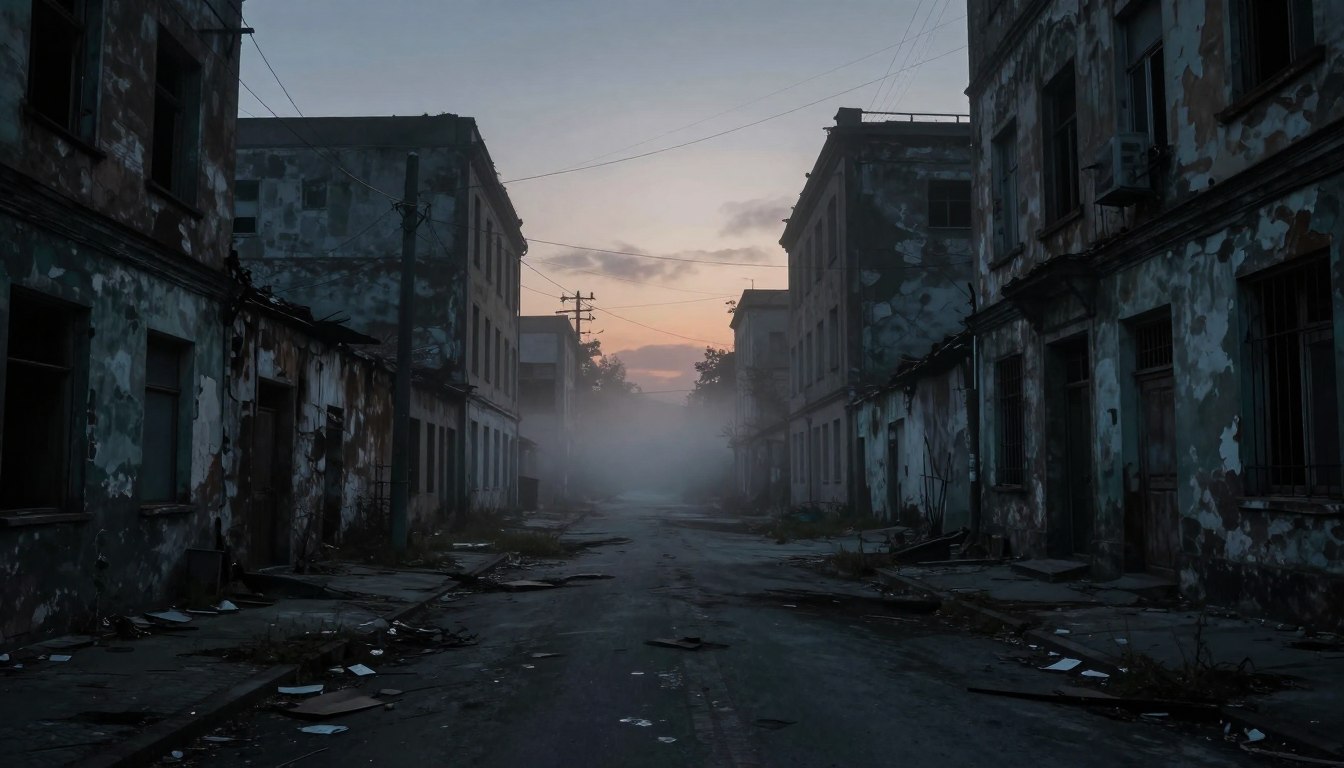

We’ve wandered through countless destinations, seeking experiences that challenge our understanding of the world. Some places linger in memory not for their beauty, but for the unsettling questions they raise. The scariest cities to visit in the world aren’t simply dangerous or derelict—they’re places where history, culture, and circumstance converge to create something profoundly disquieting.
These cities force us to confront uncomfortable truths. They reveal how quickly prosperity can crumble, how violence can reshape communities, and how the past refuses to remain buried. As travelers who value depth over superficial tourism, we’re drawn to these destinations precisely because they resist easy categorization.
What makes a city truly scary? It’s rarely a single factor. Crime statistics tell part of the story, but they can’t capture the atmospheric dread of walking through abandoned neighborhoods where entire blocks stand empty. Historical atrocities leave psychic scars that visitors can almost feel. Natural disasters create ghost towns frozen in time. Political instability transforms once-vibrant streets into zones where locals hurry past with eyes downcast.
We’ve compiled this examination of ten cities that embody different dimensions of urban fear. Some appear on standard “dangerous cities” lists, but we’re looking deeper. We want to understand what these places teach us about human resilience, societal collapse, and the thin line between civilization and chaos.
Historical Trauma
Some cities carry the weight of genocides, wars, or disasters that fundamentally altered their character and left lasting psychological impacts on residents and visitors.
- Sites of mass atrocities that occurred within living memory
- Preserved ruins that serve as haunting memorials
- Generational trauma visible in urban landscapes
- Cultural memory that shapes present-day experiences
Contemporary Dangers
Modern threats ranging from organized crime to political instability create environments where personal safety becomes a constant calculation for both locals and tourists.
- High crime rates affecting daily life and movement
- Gang-controlled territories within city boundaries
- Corruption that undermines rule of law
- Infrastructure collapse creating hazardous conditions
Atmospheric Eeriness
Certain cities possess an intangible quality—a pervasive sense of wrongness that visitors struggle to articulate but unmistakably feel during their time there.
- Abandoned districts creating urban voids
- Architectural decay suggesting systemic failure
- Sparse populations leaving streets unnaturally quiet
- Environmental factors creating oppressive ambiance
Cultural Alienation
Places where foreign visitors encounter such profound cultural differences or restrictions that the experience becomes psychologically disorienting and genuinely unsettling.
- Severe restrictions on movement and behavior
- Constant surveillance creating paranoid atmosphere
- Language and cultural barriers intensifying isolation
- Social norms that contradict visitor expectations
Before we venture into these destinations, a thoughtful acknowledgment: fear is subjective and culturally contingent. What terrifies one person might fascinate another. Our goal isn’t to sensationalize suffering or exploit tragedy for entertainment. Rather, we aim to understand these places with the intellectual curiosity they deserve.
These cities exist. People live there, building lives amid circumstances most of us will never face. By examining what makes these places scary, we learn something valuable about human adaptability and the conditions that test it. We also gain perspective on our own relatively comfortable existences.
Join Our Community of Thoughtful Travelers
We explore the world’s most complex destinations with depth and cultural sensitivity. Receive monthly analyses that go beyond typical travel guides, offering historical context and sociological insights into places that challenge our understanding.
The cities we’re about to explore span continents and circumstances. Some you’ve likely heard of. Others might surprise you. Each offers distinct lessons about what happens when societies face extreme stress, when governance fails, or when history’s darkest chapters refuse to close.
Traveling to these destinations requires more than standard preparation. It demands research, cultural awareness, and often specialized insurance coverage. It means accepting uncertainty and relinquishing the control we typically expect when visiting tourist-friendly destinations. For some travelers, these challenges represent the essence of authentic exploration.
1. Pripyat, Ukraine: The City Time Abandoned

Explore the frozen-in-time streets of Pripyat and witness how nature reclaims what humanity abandons.
Pripyat stands as perhaps the world’s most famous ghost town. This Ukrainian city was evacuated within days of the 1986 Chernobyl disaster, creating a time capsule of Soviet life suddenly interrupted. What makes Pripyat uniquely terrifying isn’t visible danger—it’s the invisible threat of radiation combined with the eerie preservation of everyday life.
We’ve examined countless accounts from visitors who describe an overwhelming sense of wrongness. The city looks almost normal from a distance. Buildings stand intact. Streets remain paved. An amusement park sits ready for visitors who never came. But venture closer, and the absence becomes oppressive. No people. No animals. Just silence broken by wind whistling through broken windows.
The famous Ferris wheel has become an iconic symbol of atomic-age hubris. It was installed for celebrations that were to mark the May Day holiday just days after the disaster. The rides never opened. Now they stand rusting, a monument to futures that were never realized. Walking past these structures, visitors report profound melancholy mixed with existential dread.
Why Pripyat Terrifies
The fear factor in Pripyat operates on multiple psychological levels that compound to create an uniquely unsettling experience.
- Invisible radiation danger creates constant low-level anxiety
- Frozen-in-time quality suggests supernatural suspension
- Scale of abandonment—an entire city—exceeds normal experience
- Personal items left behind humanize the catastrophe
- Post-apocalyptic aesthetic mirrors our deepest cultural fears
- Nature’s aggressive reclamation shows civilization’s fragility

Schools prove particularly disturbing. Classrooms still contain children’s drawings, textbooks opened to specific lessons, and the infamous gas masks scattered across floors. These weren’t left deliberately—they’re artifacts of panic and hasty evacuation. Seeing a child’s shoe or a doll face-down in debris forces confrontation with the human cost of technological failure.
The hospital where first responders were treated tells another harrowing story. Their contaminated clothing was sealed in the basement, where it remains—still dangerously radioactive decades later. Tour guides warn visitors away from certain areas where radiation levels spike unexpectedly. This invisible danger, measurable only by Geiger counters, creates persistent unease.
Radiation Reality Check
Modern guided tours of Pripyat expose visitors to approximately the same amount of radiation as a long-haul flight. The Exclusion Zone’s background radiation has decreased significantly since 1986. However, hotspots remain where concentrated radioactive material settled. Professional guides know these locations and avoid them.
Nature’s reclamation adds another layer to Pripyat’s eeriness. Trees grow through buildings. Moss carpets what were once busy streets. Wildlife has returned—wolves, wild boars, and even rare Przewalski’s horses now roam freely. This rewilding might seem positive, but it reinforces the fundamental message: humans are temporary. Nature is patient.
Visiting Pripyat requires joining official tours, as independent exploration remains illegal due to radiation risks. Tour operators conduct briefings emphasizing safety protocols: don’t touch anything, don’t sit down, don’t eat or drink, keep your distance from certain buildings. These rules, necessary though they are, heighten the sense of being in a hostile environment.
The city teaches brutal lessons about technological hubris and governmental secrecy. Soviet authorities initially downplayed the disaster’s severity, delaying evacuation while residents continued normal routines. This institutional failure resulted in unnecessary radiation exposure. Walking these streets, knowing this history, induces anger alongside fear.
Photography in Pripyat has become a genre unto itself. The visual contrast between human absence and structural presence creates compelling images. But there’s ethical complexity here. Is photographing tragedy exploitative? Tour guides address this tension, encouraging respectful documentation while discouraging sensationalism. It’s a delicate balance.
For all its horror, Pripyat attracts thousands of visitors annually. We’re drawn to disaster sites, seeking to understand catastrophes from safe temporal distance. Dark tourism of this sort can be educational when approached thoughtfully. It can also trivialize suffering when treated as mere spectacle. The difference lies in visitor intention and behavior.

2. Caracas, Venezuela: Beauty Undermined by Crisis

Witness the stark contrasts that define modern Caracas and understand the daily realities facing its residents.
Caracas presents a different category of fear entirely. This is a functioning city—Venezuela’s capital and largest urban center. But it’s also consistently ranked among the world’s most dangerous cities, with violent crime rates that rival active war zones. The fear here isn’t atmospheric or historical. It’s immediate and visceral.
We must acknowledge the complexity. Caracas contains museums, theaters, restaurants, and millions of people living ordinary lives. It’s set in a spectacular natural bowl surrounded by mountains. The weather is pleasant year-round. By many measures, it should be a desirable destination. And yet, the security situation makes even basic activities like walking to dinner fraught with risk.
The numbers tell a grim story. Venezuela’s economic collapse has created conditions where kidnapping, armed robbery, and carjacking occur with disturbing frequency. Express kidnappings—where victims are taken to ATMs and forced to withdraw money—have become common enough that locals have developed strategies to minimize risk. This isn’t a city where tourists can wander freely.
Critical Safety Context
Most Western governments, including the UK Foreign Office, actively advise against all but essential travel to Caracas. The security environment can deteriorate rapidly, and consular assistance may be limited. Any travel to this destination requires exceptional preparation and risk acceptance.
What makes Caracas particularly unsettling is the stark socioeconomic divide. Wealthy neighborhoods with high walls and armed guards exist blocks away from impoverished barrios where basic services have collapsed. This proximity breeds tension. The visible inequality creates an atmosphere where desperation and resentment simmer constantly.

Survival Strategies Locals Use
Residents have developed elaborate protocols to navigate daily dangers that have become normalized through necessity.
- Avoid displaying phones, jewelry, or anything valuable in public
- Never walk alone, especially after dark, regardless of neighborhood
- Use only trusted, pre-arranged transportation—never hail random taxis
- Keep minimal cash and carry a “mugging wallet” with small bills
- Vary routes and schedules to avoid predictable patterns
- Stay aware of surroundings at all times, avoiding distraction
The collapse of public services compounds security concerns. Power outages are frequent and unpredictable. Water service is unreliable. Healthcare facilities lack basic supplies. These infrastructure failures create cascading problems that make the city feel post-apocalyptic despite its continued operation.
Food scarcity has transformed grocery shopping into an ordeal. Shelves sit empty or stock only limited items. Hyperinflation means prices change daily. People queue for hours hoping to purchase basics. This desperation breeds crime as people resort to theft to feed their families. It’s a vicious cycle without clear resolution.
Political protests add another layer of unpredictability. Demonstrations can turn violent quickly, with both protesters and security forces employing force. Tear gas, rubber bullets, and street fighting erupt in areas that were calm hours earlier. For visitors, this means entire sections of the city can become impassable without warning.
Why People Still Visit
- Extraordinary natural beauty surrounding the city
- Rich cultural scene with world-class museums and music
- Incredibly warm and welcoming local population
- Unique perspective on societal resilience under pressure
- Historical and architectural significance
Serious Deterrents
- Extreme violent crime rates affecting all neighborhoods
- Economic instability making basic logistics challenging
- Infrastructure collapse impacting daily activities
- Limited consular assistance if problems arise
- Political volatility creating unpredictable situations
Yet people do visit Caracas, often journalists, aid workers, or those with family connections. They report that beneath the danger lies a vibrant culture determined to persist. Music fills the streets. Art flourishes as creative response to hardship. Communities support each other with remarkable generosity. The human spirit proves resilient even in dire circumstances.
The fear in Caracas is exhausting rather than momentarily thrilling. It’s constant vigilance, perpetual risk assessment, and the knowledge that violence could erupt at any moment. This isn’t the atmospheric dread of an abandoned place or the historical weight of past atrocities. It’s present-tense danger requiring continuous attention.

For those considering travel here, the question isn’t whether Caracas is scary—it objectively is for visitors and residents alike. The question is whether the insights gained justify the very real risks involved. For most travelers, the answer is no. There are safer ways to understand economic collapse and political instability. But for some, direct witness feels essential.
Exploring Unfamiliar Territories Requires Thoughtful Preparation
When venturing into destinations with elevated risks, comprehensive travel insurance becomes essential. We’ve researched providers who offer coverage specifically designed for travelers exploring challenging environments, including emergency evacuation and medical care in areas with limited infrastructure.
3. Detroit, Michigan, USA: American Decline Made Visible

Discover Detroit’s abandoned structures and understand how economic forces can reshape entire cities.
Detroit occupies a unique space in American consciousness. Once the prosperous heart of automotive manufacturing, it’s now synonymous with urban decay and economic collapse. The scariest aspect of Detroit isn’t crime statistics, though those remain concerning in certain areas. It’s the physical manifestation of what happens when an entire economic model collapses and a city loses more than half its population.
We must be careful here. Detroit has been working toward revival for years, with significant investment in the downtown core and genuine revitalization in specific neighborhoods. Parts of the city are thriving. But vast sections remain abandoned, creating an eerie patchwork of renewal and ruin that makes the decline all the more visible through contrast.
The abandoned structures have become darkly iconic. The Michigan Central Station, a Beaux-Arts masterpiece, stood gutted and empty for decades before recent restoration efforts began. Entire city blocks contain nothing but foundations where houses once stood. Schools, churches, factories, and hospitals sit empty, slowly being reclaimed by vegetation and weather.
Economic Collapse Timeline
Understanding Detroit’s transformation requires examining how interconnected failures cascaded over decades to create current conditions.
- 1950s-60s: Suburban flight begins as middle class moves to surrounding areas
- 1967: Race riots accelerate white flight and business departure
- 1970s-80s: Foreign competition devastates auto industry employment
- 1990s-2000s: Population continues declining as jobs disappear
- 2008: Financial crisis delivers crushing blow to remaining industry
- 2013: Detroit declares bankruptcy, largest municipal failure in US history

What makes this particularly unsettling is the speed of decay. Detroit didn’t collapse gradually over centuries like ancient cities. It happened within living memory. Elderly residents remember when these streets bustled with activity, when factories operated around the clock, when the city represented American prosperity. The contrast between memory and current reality creates profound cognitive dissonance.
The phenomenon of “urban prairie” has emerged in Detroit’s most abandoned areas. Entire neighborhoods have returned to grassland. Trees grow where houses stood. Wildlife has returned—pheasants, coyotes, even bald eagles now nest within city limits. It’s rewilding on a massive scale, but within a metropolitan area still home to hundreds of thousands of people.
Crime remains a serious concern, though concentrated in specific areas. The police force was drastically reduced during the fiscal crisis, leading to slow response times and limited patrols in outer neighborhoods. Some areas effectively became no-go zones where emergency services won’t enter without heavy backup. This abandonment by civic institutions compounds the physical abandonment of structures.

Yet the most disturbing aspect is what Detroit represents symbolically. This was America’s fifth-largest city, the birthplace of the middle class, proof that industrial capitalism could create broadly shared prosperity. Its fall suggests that such prosperity was temporary, that economic forces can destroy what they built without regard for human consequences. That’s scarier than any individual abandoned building.
Photographing Detroit’s ruins has become controversial. The practice of “ruin porn”—aestheticizing decay without acknowledging ongoing human suffering—has drawn justified criticism from residents. Visitors who treat the city as a post-apocalyptic playground miss the point that people still live here, building lives amid the ruins. Respectful engagement requires acknowledging this complexity.
Walking through Detroit’s abandoned neighborhoods provokes existential questions. If this could happen here, in America’s industrial heartland, could it happen anywhere? What other cities might follow this trajectory? The fear isn’t immediate physical threat—it’s confronting the fragility of the systems we depend on and the speed with which prosperity can evaporate.
The revival efforts deserve mention because they complicate the narrative. Investment has flowed into downtown Detroit and specific neighborhoods like Midtown and Corktown. New businesses are opening. Young people are moving back. But this renaissance remains geographically limited, creating a two-tier city where gleaming renovations exist miles away from continued abandonment. The inequality is jarring.
Visiting Detroit responsibly means engaging with its complexity rather than reducing it to convenient narratives. It’s not simply a failed city or a phoenix rising. It’s both and neither—a place where different futures compete, where revival and decline coexist, where human resilience confronts systemic forces beyond individual control. That nuanced reality is ultimately more thought-provoking than any simple story of ruin or redemption.
4. Mogadishu, Somalia: Conflict’s Long Shadow

Understand Mogadishu’s complex reality beyond headlines and witness a city rebuilding from decades of conflict.
Mogadishu carries perhaps the heaviest security warnings of any city we’re examining. Decades of civil war, ongoing militant activity, and political instability have created an environment where violence remains unpredictable and potentially catastrophic. This is not a destination for casual tourism. Yet it’s also a functioning city of over two million people, a place with rich history and determined residents rebuilding after unimaginable hardship.
The fear associated with Mogadishu stems from recent history. The 1991 collapse of Somalia’s central government initiated a period of chaos that continues to affect the country today. Clan-based militias, warlords, and later the extremist group al-Shabaab have made security precarious. Suicide bombings, kidnappings, and armed attacks occur with disturbing regularity, often targeting hotels, restaurants, and government buildings.
What outsiders often miss is the resilience. Despite everything, Mogadishu has been slowly stabilizing. Markets function. Businesses operate. The airport has seen increasing traffic. Diaspora Somalis have been returning to invest in reconstruction. This revival coexists with ongoing violence in a way that defies easy categorization. The city is simultaneously war-torn and rebuilding, dangerous and determined.
Current Security Realities
Travel to Mogadishu typically requires extensive security arrangements including armed escorts, armored vehicles, and advance coordination with local authorities. Even with these precautions, risks remain substantial. Most visitors are aid workers, journalists, or business people with specific essential purposes. The UK Foreign Office and most Western governments advise against all travel to Somalia.
The physical scars of conflict are everywhere. Buildings riddled with bullet holes stand next to new construction. Blast walls and checkpoints divide the city into zones of varying security. The beautiful Italian colonial architecture that once defined Mogadishu’s character has been largely destroyed or damaged beyond recognition. What remains serves as reminder of what was lost.
Layers of Complexity
Mogadishu defies simple narratives, requiring nuanced understanding of overlapping challenges and unexpected vitality.
- Ongoing al-Shabaab insurgency despite government military gains
- Clan dynamics shaping politics and territorial control
- Weak state institutions struggling to provide basic services
- Economic growth occurring despite security challenges
- Vibrant cultural scene surviving amid adversity
- Young population (median age 18) creating demographic pressure
- Climate vulnerability compounding other stressors

The beach paradoxically illustrates Mogadishu’s contradictions. Lido Beach, once a popular destination, has seen renewed use in recent years. Families gather. Young people play soccer. Cafes serve food. But this normalcy exists under heavy security presence, with the knowledge that attacks have targeted similar gatherings. The juxtaposition of leisure and threat creates surreal cognitive dissonance.
For journalists and aid workers who spend time in Mogadishu, the constant security calculations become exhausting. Every movement requires planning. Varying routes prevents pattern recognition. Traveling in armored vehicles limits interaction with ordinary life. Living behind blast walls in fortified compounds creates isolation. This isn’t traveling in any conventional sense—it’s operating in a conflict zone that happens to be a city.
Yet those same visitors often report being moved by Somali hospitality and humor. Despite everything they’ve endured, residents welcome outsiders with remarkable warmth. Conversations reveal sophisticated analysis of their situation and clear-eyed understanding of challenges ahead. The stereotypical media portrayal of helpless victims doesn’t match the reality of people actively shaping their city’s future.

The culture and history deserve recognition. Mogadishu was once known as the “White Pearl of the Indian Ocean,” a sophisticated trading city with distinctive architecture and cosmopolitan culture. Centuries of commerce and intellectual exchange created unique Somali traditions blending African, Arab, and Indian Ocean influences. War has obscured this heritage, but it hasn’t erased it.
Visiting Mogadishu—if one has legitimate reason and accepts extraordinary risks—offers perspective on human resilience under extreme duress. It challenges assumptions about what constitutes a functional society. It demonstrates that life continues even in circumstances we might consider impossible. These insights come at high cost, both financial and in terms of personal safety.
The scariest aspect of Mogadishu isn’t any single threat, though specific dangers are real and serious. It’s the totality of conditions—the combination of ongoing violence, collapsed governance, environmental stress, and poverty that creates a perfect storm of vulnerability. Yet within that storm, millions of people persist, building lives and maintaining hope. That juxtaposition is both terrifying and inspiring.
5. Centralia, Pennsylvania, USA: The Town Fire Consumed

Explore the surreal landscape of Centralia, where an underground coal fire has been burning for over 60 years.
Centralia presents an entirely different species of fear. This Pennsylvania town was evacuated because of an underground coal fire that ignited in 1962 and continues burning today. The fire cannot be extinguished—it burns through the vast network of abandoned coal mines beneath the town, producing toxic fumes and causing ground collapses. The result is a near-total ghost town with an almost supernatural quality.
Only a handful of residents remain, having refused government buyout offers and court orders to leave. Their persistence creates an eerie human element to an otherwise abandoned landscape. Smoke rises from fissures in the ground. The pavement is warm to the touch in places. Trees are stunted or dead from toxic gases. It feels like walking through a Stephen King novel.
The famous Graffiti Highway—a section of abandoned Pennsylvania Route 61—became a pilgrimage site for visitors wanting to witness Centralia’s strangeness. Colorful graffiti covered the buckled, cracked pavement that had been closed since the 1990s due to unsafe conditions caused by mine subsidence. However, it was covered with dirt in 2020 by the current landowner to discourage trespassing.

The Fire’s Timeline
Understanding how a small town vanished requires examining the decades-long failure to address the underground inferno.
- 1962: Mine fire ignites, likely from trash burning near old mine entrance
- 1979: Gas station owner discovers gasoline tank measured 172°F
- 1981: 12-year-old boy nearly dies falling into sinkhole emitting steam
- 1984: Congress allocates funds for resident relocation
- 1992: Pennsylvania invokes eminent domain on all properties
- 2002: US Postal Service revokes Centralia’s ZIP code
- Present: Fire continues burning, estimated fuel for 250 more years
Walking through Centralia produces visceral unease. The ground itself is hostile. Sudden temperature changes occur without warning. Sinkholes can open unexpectedly. Carbon monoxide and other toxic gases escape from fissures. These invisible dangers create constant low-level anxiety—you can’t see the threat, only its effects.
The few remaining structures make the abandonment more pronounced. A church still stands, maintained by the handful of holdout residents. Cemeteries remain, gravestones marking generations who lived here before the fire. Street grids are visible, but the houses that lined them are gone, leaving only concrete foundations and crumbling steps leading nowhere.
Nature’s response to the fire creates surreal landscapes. Some areas remain barren, the soil too hot and toxic for vegetation. Others have been colonized by heat-loving plants. Bare rock is exposed where the ground has collapsed. Steam vents create localized microclimates. It’s an unintentional experiment in environmental extremes.
Current Access and Hazards
Much of Centralia is private property, and trespassing laws are enforced. The remaining public roads can be visited, but significant dangers exist including unstable ground, toxic gas emissions, and extreme heat from underground fire. There are no services, no cell phone coverage in some areas, and emergency response would be delayed. Visitors assume all risks.
The psychological impact comes from multiple sources. There’s the environmental horror of an unstoppable fire that will outlive everyone reading this. There’s the governmental failure that allowed a solvable problem to become a permanent disaster. There’s the eeriness of a town that exists on maps but barely exists in reality. Combined, these create profound disorientation.
Centralia has inspired various cultural works, most notably the Silent Hill video game and film franchise. The aesthetic of a town consumed by subterranean forces proved irresistible to horror creators. This cultural presence has attracted dark tourism, with visitors seeking to experience the real-world inspiration for fictional nightmares. The line between authentic place and pop culture pilgrimage has blurred.

The remaining residents—fewer than ten at last count—have become local legends. They refused to leave despite buyouts, condemnation orders, and the very real health risks. Their stubbornness is simultaneously admirable and concerning. They represent a peculiarly American attachment to place and property rights, even when that place has become literally uninhabitable.
Visiting Centralia raises ethical questions similar to other dark tourism sites. Are we respecting the loss of a community, or are we treating tragedy as entertainment? The town’s transformation into internet curiosity and Instagram backdrop has obscured its human history. Real people lost their homes, their community, their history. That deserves acknowledgment beyond mere spectacle.
The fire will continue for centuries. The coal veins beneath Centralia contain enough fuel to burn for another 250 years according to estimates. This means the town—or rather its ghostly remnant—will outlast everyone who remembers it as a functioning community. It’s a strange form of permanence, frozen in abandonment while literally burning beneath the surface.
6. Pyongyang, North Korea: Dystopia Made Real

Witness the carefully controlled reality of Pyongyang and understand life in the world’s most isolated nation.
Pyongyang occupies a unique category: a scary city not because of physical danger or decay, but because of total state control over every aspect of existence. This is dystopian fiction made manifest—a society where individual freedom has been subordinated to state ideology so completely that visiting feels like traveling to another planet rather than another country.
The fear Pyongyang induces is primarily psychological. Visitors are never alone. Government-assigned minders accompany tourists constantly, controlling what you see, where you go, and whom you speak with. Photography is restricted. Conversations with ordinary citizens are monitored or prevented entirely. The sensation of being watched is constant and oppressive.
The city itself appears surreal. Wide boulevards remain nearly empty of traffic despite the multi-million population. Monumental architecture glorifies the Kim dynasty on a scale that defies belief. The famous Ryugyong Hotel—a 105-story pyramid that remained an empty concrete shell for decades—dominates the skyline as an unintentional monument to failed ambition. Everything feels like a stage set rather than an organic city.
Elements of Control
Understanding Pyongyang requires recognizing the comprehensive systems that regulate every aspect of life for residents and visitors alike.
- Songbun caste system determining where people can live and work
- Mandatory portraits of Kim Il-sung and Kim Jong-il in every room
- Restricted movement—travel between cities requires permits
- No independent internet access for ordinary citizens
- State-controlled information with no foreign media allowed
- Constant surveillance and neighbor-monitoring systems
- Severe punishment for political dissent or unauthorized contact with foreigners

The metro system exemplifies Pyongyang’s contradictions. Stations are palatial—chandeliers, marble, elaborate mosaics depicting socialist triumph. They’re designed to demonstrate the superiority of the North Korean system. Yet visitors are typically shown only two stations, with speculation that much of the network exists primarily for these showcase stops. Reality and performance become indistinguishable.
Interactions with citizens follow rigid scripts. Students at the Children’s Palace perform with unnerving precision. Workers at showcase factories recite carefully memorized answers to anticipated questions. Nobody deviates from official narratives. Whether this reflects genuine belief, practiced deception, or fear of consequences is impossible to determine. That ambiguity itself is unsettling.
The absence of normal urban life creates eerie emptiness. Streets that should bustle remain quiet. Shops exist but stock limited goods accessible only to privileged classes. Parks sit empty despite being well maintained. It’s a city built for a population that seems semi-invisible. The disconnect between infrastructure and activity provokes constant cognitive dissonance.
Tourism Realities and Restrictions
Independent travel is impossible in North Korea. All tourism occurs through government-approved tour companies operating under strict regulations. Visitors follow predetermined itineraries, stay in designated hotels, and interact only with approved individuals. Departure from the group is forbidden. Mobile phones may be confiscated at entry. You have no freedom of movement or privacy during your entire visit.
The propaganda is omnipresent and relentless. Monuments to the Kim family number in the thousands. Every television and radio is hardwired to state channels and cannot be turned off, only quieted. Newspapers contain no independent journalism, only regime messaging. For visitors, the psychological weight of this total information control becomes exhausting after just days.

The ethical dimension of visiting North Korea provokes serious debate. Tourism provides hard currency to a regime with appalling human rights record. Critics argue that any visit legitimizes oppression and funds the Kim dynasty. Supporters counter that engagement, however controlled, is preferable to total isolation and that individual travelers shouldn’t be blamed for geopolitical failures.
What visitors consistently report is the profound sense of sadness beneath the surreal spectacle. North Koreans are not caricatures—they’re people living under extraordinary constraints. The glimpses of humanity that break through the official performance—a child’s unselfconscious laughter, exhaustion on a worker’s face, brief unguarded moments—remind you that real lives unfold behind the theatrical facade.
The isolation from normal information creates bizarre situations. Minders genuinely seem to believe official narratives about their country’s superiority and the outside world’s depravity. When presented with contradictory evidence, cognitive dissonance is visible but quickly suppressed. You’re watching human minds perform elaborate gymnastics to maintain belief systems that facts contradict.
Pyongyang scared us not through danger but through demonstration of how completely human beings can be controlled. It’s proof that dystopian fiction understates rather than exaggerates the possibilities of totalitarian governance. Orwell’s 1984 serves as operational manual, not cautionary tale. Witnessing this system in operation is profoundly disturbing on existential levels.
Leaving North Korea reportedly induces emotional whiplash. The tight control suddenly vanishes. Access to information returns. Freedom of movement restores. The contrast makes you appreciate liberties you previously took for granted while simultaneously recognizing how fragile they might be. That lingering unease—the realization that such places exist right now—is perhaps Pyongyang’s most lasting impact.
7. Port-au-Prince, Haiti: Catastrophe Upon Catastrophe

Understand Haiti’s compounding crises and witness a nation’s struggle against overwhelming challenges.
Port-au-Prince represents accumulated catastrophe—natural disaster layered upon political instability, poverty, and colonial legacy. The devastating 2010 earthquake killed over 200,000 people and destroyed much of the city’s infrastructure. Over a decade later, recovery remains incomplete while new crises compound existing vulnerabilities. The result is a city where basic security and services cannot be taken for granted.
The physical landscape still bears earthquake scars. Collapsed buildings remain unreconstructed in many areas. Tent cities that were meant to be temporary became permanent settlements. Infrastructure that was inadequate before the earthquake deteriorated further. Each subsequent disaster—Hurricane Matthew in 2016, the 2021 earthquake, political assassinations, gang violence—adds to the cumulative trauma.
Gang control of territory has escalated dramatically in recent years. Large areas of Port-au-Prince are effectively under gang rule rather than government authority. Kidnappings for ransom occur frequently, targeting both wealthy Haitians and foreigners. Violence between rival gangs and confrontations with police create an environment of unpredictable danger.
Critical Security Assessment
The UK Foreign Office and most Western governments advise against all but essential travel to Haiti. Security conditions can deteriorate rapidly. Gang violence affects major routes including the road to the airport. Kidnapping risk is substantial. Medical facilities are extremely limited. Cholera and other diseases remain endemic. Any travel requires exceptional preparation and carries serious risks.
Yet within this challenging environment, Haitians demonstrate remarkable resilience. Markets function despite everything. Businesses operate. Art flourishes—Haiti’s vibrant painting tradition continues, with street murals and gallery works commenting on social conditions with sophisticated critique. Music fills the streets. Community organizations work to address problems the government cannot or will not tackle.
Compounding Challenges
Understanding Port-au-Prince requires recognizing how multiple crises interact and reinforce each other in destructive feedback loops.
- Political instability—frequent government changes, assassinations
- Gang violence controlling territory and kidnapping for profit
- Poverty—over 60% of population below poverty line
- Incomplete earthquake recovery more than decade later
- Cholera epidemics recur periodically
- Environmental degradation—deforestation, soil erosion
- Climate vulnerability to hurricanes and flooding
- Weak institutions unable to provide basic services

The colonial legacy casts a long shadow. Haiti was the first successful slave revolt leading to independence, achieved in 1804 after brutal revolutionary war. France demanded compensation for lost “property” (enslaved people), saddling Haiti with crushing debt that wasn’t fully paid until 1947. This extraction of resources from the poorest nation in the Western Hemisphere for over a century created structural poverty that persists today.
Walking Port-au-Prince’s streets—where security permits—reveals extreme disparities. A small wealthy elite lives behind high walls with private security. The vast majority struggles with unemployment, inadequate housing, and lack of basic services like clean water and reliable electricity. This inequality breeds understandable resentment and social tension.
The 2010 earthquake revealed both human compassion and international aid’s limitations. Billions in donations poured in, but reconstruction efforts were plagued by coordination failures, corruption, and misallocation of resources. Temporary cholera was introduced by UN peacekeepers. Well-intentioned interventions sometimes worsened situations. Haiti became a cautionary tale about development aid’s complexities.

The fear in Port-au-Prince is multifaceted. There’s immediate physical danger from crime and gang activity. There’s the existential threat of natural disasters in a place with minimal capacity to respond. There’s the sadness of seeing a nation trapped in cycles of crisis despite enormous effort and outside assistance. Combined, these create overwhelming sense of vulnerability and injustice.
Yet many Haitians reject the “hopeless tragedy” narrative imposed by outside observers. They point to community organizing, grassroots development, cultural vibrancy, and the fierce determination to build better futures. They’re tired of being defined solely by disasters and want recognition of agency, creativity, and resilience. This perspective challenges visitors to see beyond catastrophe to recognize humanity.
For travelers, Port-au-Prince offers no easy answers or comfortable narratives. It’s a place where development theories confront messy realities. Where good intentions meet unintended consequences. Where individual suffering exists alongside collective resistance. Understanding requires moving beyond surface observations to engage with Haiti’s complex history and current struggles.
“Haiti is the country that I love. It’s a country that has given me so much. Haiti is a country that has made me who I am. When Haiti is in need, I answer.”
The scariest aspect of Port-au-Prince might be what it reveals about global inequality and international indifference. A nation of over 11 million people struggles with crises that sufficient resources and political will could address. Yet assistance remains inadequate. The disconnect between Haiti’s needs and the international response demonstrates how geography and race influence which crises receive sustained attention and which are normalized as permanent states.
Before Venturing Into These Remarkable Yet Challenging Destinations
Comprehensive travel insurance becomes essential when exploring cities with elevated security concerns, limited medical infrastructure, or unpredictable conditions. We’ve researched providers offering specialized coverage for adventurous travelers, including emergency evacuation, political unrest protection, and medical care in challenging environments.
Investment in proper coverage provides peace of mind and financial protection, allowing you to focus on understanding these complex destinations rather than worrying about worst-case scenarios.
8. Nauru: Paradise Destroyed by Phosphate

Discover how resource extraction transformed a Pacific paradise into one of the world’s most environmentally devastated nations.
Nauru presents environmental horror on a scale difficult to comprehend. This tiny Pacific island nation—just 21 square kilometers—was once covered in tropical forest and surrounded by pristine beaches. Phosphate mining to extract bird guano deposits transformed 80% of the island into a lunar landscape of limestone pinnacles, making most of it uninhabitable. The environmental devastation is so complete that Nauru serves as cautionary tale about resource extraction’s long-term costs.
The scariness of Nauru lies not in danger to visitors—it’s quite safe in that conventional sense—but in what it represents: the terminal stage of extractive capitalism. The phosphate brought enormous wealth briefly. Nauru had one of the highest per-capita incomes in the world during the 1970s. Then the phosphate ran out. The money was mismanaged. Environmental destruction proved irreversible. Now Nauru faces existential threats from climate change while lacking resources to adapt.
Visiting Nauru is logistically challenging. Flights arrive only a few times per week from Brisbane. There’s one hotel with limited capacity. Tourism infrastructure barely exists because there’s little reason to visit beyond morbid curiosity about ecological collapse. The isolation intensifies the atmosphere of abandonment and decline.

Ecological and Economic Collapse
Nauru’s transformation from paradise to environmental disaster zone followed predictable but tragic trajectory of unsustainable resource extraction.
- Early 1900s: Phosphate deposits discovered, mining begins under colonial powers
- 1968: Nauru gains independence but mining continues aggressively
- 1970s-80s: Phosphate wealth makes Nauru one of richest nations per capita
- 1990s: Phosphate reserves near exhaustion, environmental damage apparent
- 2000s: Economic collapse, government bankruptcy, environmental crisis
- Present: 80% of island uninhabitable, climate change threatens remainder
The interior of the island is surreal and disturbing. Jagged limestone pinnacles—the remnants after phosphate extraction—create impassable terrain. Nothing grows in these areas. It’s dead land, permanently destroyed. The population clings to a narrow coastal strip where some soil remains. Standing at the edge where habitable meets devastated, you see the future that awaits places that prioritize short-term profit over long-term sustainability.
Nauru’s population faces serious health crises linked to their situation. The island has one of the world’s highest rates of obesity and type 2 diabetes. With local food production destroyed by mining, residents depend on imported processed foods. Limited space for recreation and cultural disruption compound health problems. The population is literally sick from what was done to their island.
The political situation adds another layer of dysfunction. Nauru has served as Australia’s offshore refugee detention center, housing asylum seekers in conditions that human rights organizations have condemned. This arrangement provides crucial income for Nauru’s government but at the cost of participating in policies many consider inhumane. The ethical compromises required for economic survival are stark.
Climate Change Existential Threat
As a low-lying Pacific island nation, Nauru faces existential threat from climate change. Sea level rise threatens the narrow coastal strip where the population lives. Storm surges are increasing in frequency and intensity. Unlike some Pacific nations pursuing relocation plans, Nauru has limited options due to small population and diplomatic isolation. The nation that destroyed its own environment now faces destruction from global environmental change.
What makes Nauru truly scary is its universality. This isn’t a unique tragedy—it’s a concentrated example of dynamics playing out globally. Resource extraction enriches a few while destroying environments. Short-term thinking prevails over sustainability. Environmental costs are ignored until they become unavoidable. Nauru simply compressed the timeline and scale to make the pattern unmistakable.

The people of Nauru are neither villains nor victims—they’re human beings who made decisions based on available information and colonial pressures, then inherited consequences. Many current residents weren’t alive during the peak mining years. They’re trying to build lives on a destroyed island with few resources. Their resilience under these circumstances deserves respect rather than judgment.
Visiting Nauru provokes profound discomfort. You witness irreversible environmental destruction on intimate scale. You see a society struggling with health epidemics, economic crisis, and existential climate threats. You confront questions about sustainability, development, and what we owe future generations. It’s not entertaining or uplifting—it’s educational in ways that demand response.
The isolation compounds psychological impact. You’re on a small island in the middle of the Pacific, surrounded by environmental devastation, with limited ability to leave. The sense of being trapped—even temporarily as a visitor—gives glimpse of what residents experience permanently. That claustrophobia mixed with environmental horror creates unique unease.
Nauru forces confrontation with uncomfortable truths about global economic systems. The phosphate extracted from this tiny island fertilized farms worldwide, feeding millions. But the costs were externalized onto Nauru’s environment and people. The benefits were globalized while the harms remained localized. This pattern repeats across resource-extraction zones worldwide, but Nauru’s small size makes the dynamics impossible to ignore.
9. Aleppo, Syria: Ancient City Destroyed by Modern War

Witness the devastation of Syria’s civil war and understand the human cost of conflict in one of the world’s oldest continuously inhabited cities.
Aleppo breaks the heart. This was one of humanity’s oldest continuously inhabited cities, with history stretching back over 8,000 years. The Old City was a UNESCO World Heritage site, featuring stunning Islamic architecture, ancient souks, and the magnificent Umayyad Mosque. Then Syria’s civil war turned Aleppo into a battlefield. The destruction was catastrophic, culturally and humanly.
The Battle of Aleppo from 2012 to 2016 was among the war’s bloodiest episodes. Entire neighborhoods were reduced to rubble. The ancient souk burned. The Umayyad Mosque’s minaret—built in 1090—was destroyed. Historic buildings that survived millennia couldn’t survive modern warfare. Tens of thousands of civilians died. Hundreds of thousands fled, many never to return.
Walking through Aleppo today—for the very few who can—means navigating between reconstruction efforts and persistent ruins. Some areas have seen rebuilding. Others remain destroyed, frozen in the moment bombs fell. Bullet holes pockmark facades. Collapsed buildings sit uncleared. The scars of conflict are everywhere, physical and psychological.
Current Situation and Access
The UK Foreign Office and most Western governments advise against all travel to Syria. While major combat operations in Aleppo have ended, security remains unstable. Terrorism risk is high. Detention by authorities is possible. Humanitarian situation remains dire. Travel is extremely dangerous and generally impossible for typical visitors. Any presence requires extraordinary circumstances and extensive security arrangements.
The fear associated with Aleppo is multidimensional. There’s the ongoing security risk—while fighting has decreased, violence hasn’t ended. There’s the overwhelming sadness of witnessing cultural heritage destroyed. There’s anger at the international community’s failure to prevent or stop the catastrophe. There’s the psychological weight of knowing thousands died in places you’re standing.
Layers of Loss
Understanding Aleppo requires acknowledging multiple categories of irreplaceable loss that extend far beyond physical destruction.
- Human loss—tens of thousands killed, families destroyed
- Cultural heritage—ancient sites dating back millennia destroyed
- Social fabric—diverse communities that coexisted for centuries displaced
- Economic devastation—businesses, livelihoods, infrastructure destroyed
- Educational collapse—schools destroyed, generation’s education interrupted
- Medical crisis—hospitals targeted, healthcare system collapsed
- Psychological trauma—PTSD affecting survivors across all ages
- Diaspora—millions forced to flee, communities scattered globally

The targeting of cultural heritage during the war was particularly devastating. The destruction wasn’t merely collateral damage—historic sites were sometimes deliberately targeted. The message was clear: we will destroy not just your present but your past and future. For a city where identity was so deeply connected to history, this cultural annihilation inflicted wounds that will take generations to heal, if they ever do.
Children in Aleppo grew up amid warfare. An entire generation knows only conflict. Schools were destroyed or became military positions. Education was interrupted for years. Childhood should be about play and learning—in Aleppo it became about survival. The psychological impact of this will affect Syrian society for decades.
The ancient souks—once among the world’s greatest markets—were destroyed in fighting and fires. These weren’t merely commercial spaces. They were social centers where communities gathered, where traditions passed between generations, where Aleppo’s cosmopolitan character flourished. Their destruction represents more than economic loss—it’s the unraveling of social fabric that took millennia to weave.

For residents who remained or returned, life continues amid ruins. People set up shops in damaged buildings. Children play in streets surrounded by destruction. Families rebuild homes one room at a time. This resilience is remarkable but shouldn’t obscure the tragedy. Normal life amid such devastation isn’t triumph—it’s testament to human adaptability in circumstances no one should have to endure.
The international response—or lack thereof—compounds the tragedy. Despite years of documented atrocities, meaningful intervention never materialized. Aleppo became symbol of international system’s failure to protect civilians in conflict zones. The sense of abandonment felt by Syrians who suffered while the world watched but didn’t act creates justifiable bitterness.
“My heart is in Aleppo. Its stones, its history, its people. What has happened to this ancient city is a crime against humanity and a crime against history.”
The fear Aleppo induces isn’t personal danger for visitors—few can visit regardless. It’s existential fear about civilization’s fragility. If a city that stood for 8,000 years can be reduced to rubble in less than a decade, what’s permanent? If the international community can watch genocide-level violence without effective response, what’s the value of international law? Aleppo forces confrontation with systemic failures that transcend any individual tragedy.
Reconstruction efforts face enormous challenges. The scale of destruction is overwhelming. Funding is limited. Political complexity means coordination is difficult. Many who fled won’t return, having built lives elsewhere. The Aleppo being rebuilt won’t be the Aleppo that was destroyed—too much has been lost, too many people dispersed, too much history erased. Even successful reconstruction will be haunted by absence.
For those who study conflict, Aleppo represents a case study in how modern warfare destroys cities. Siege tactics, barrel bombs, indiscriminate shelling—these aren’t just military terms, they’re descriptions of how civilian populations are terrorized and infrastructure destroyed. Understanding Aleppo means understanding contemporary warfare’s brutality and how it disproportionately affects non-combatants.
10. Norilsk, Russia: The World’s Most Polluted City

Explore the Arctic city where extreme pollution, harsh climate, and Soviet industrial legacy create one of Earth’s most challenging environments.
Norilsk occupies a category of scary that’s almost science-fiction: an Arctic city where heavy metal pollution is so severe that the soil is economically viable to mine for minerals. Built by Gulag prisoners under Stalin, this nickel-mining city of 175,000 people experiences some of the worst air pollution on Earth while enduring extreme Arctic climate. It’s environmental catastrophe meets totalitarian history meets climatic extremity.
The pollution is visible and visceral. The snow is often black from industrial fallout. The air has a metallic taste. Everything—buildings, cars, clothes—acquires a coating of industrial residue. The smelting complex releases over two million tons of sulfur dioxide annually along with heavy metals including nickel, copper, and cobalt. Life expectancy for Norilsk workers is ten years below the Russian average.
The environmental devastation extends beyond the city. For miles in every direction, trees are dead or stunted. The ground is contaminated with heavy metals. NASA satellite images show the pollution plume extending across the tundra. This is one of the planet’s most polluted places, and people live there—not by choice for most, but because economic necessity ties them to the mines.

Extreme Conditions
Norilsk combines multiple extreme factors that individually would be challenging but together create almost unlivable conditions.
- Polar night—darkness for two months during winter
- Temperatures regularly drop below -40°C/-40°F
- Blizzards and Arctic storms lasting days
- Permafrost complications for buildings and infrastructure
- Extreme pollution causing respiratory diseases
- Isolation—no roads connect to rest of Russia
- Limited food variety—most supplies flown or shipped in
- High rates of depression and alcoholism
The climate compounds the pollution’s health effects. Cold air traps pollutants close to ground level, concentrating exposure. Residents must breathe this toxic air during bitter cold that already stresses respiratory systems. Children growing up in Norilsk show higher rates of asthma, chronic bronchitis, and other respiratory conditions. The city is literally shortening lives.
Norilsk’s history is inseparable from Soviet labor camp system. The Norillag camp forced tens of thousands of prisoners to build and work in the mines under conditions that killed enormous numbers. Estimates suggest around 17,000 prisoners died in the Norilsk camps. The city was built on coerced labor’s foundation, and that dark history permeates everything.
Access to Norilsk is restricted. It’s one of Russia’s “closed cities” where foreigners need special permits—rarely granted—to visit. This isolation serves multiple purposes: controlling information about conditions, limiting outside scrutiny of the mining operation, and maintaining security around what remains a strategic industrial zone. The closure intensifies the sense of a hidden dystopia.
Why People Stay
Despite horrific conditions, people remain in Norilsk primarily for economic reasons. Mining jobs, while hazardous, pay better than alternatives elsewhere in Russia. Workers receive additional compensation for “Arctic conditions.” Many residents were born there and know no other home. Leaving requires resources many don’t have. The city represents a grim calculation of economic necessity versus health and quality of life.
The architecture contributes to oppressive atmosphere. Soviet-era apartment blocks dominate—functional but bleak. Buildings on permafrost develop cracks and structural problems. Maintenance is challenging given climate and limited resources. The urban landscape feels provisional and deteriorating, as though the city might be abandoned at any moment. Beauty was never a consideration in design—only industrial efficiency.

Recent disasters have highlighted infrastructure vulnerability. In 2020, a fuel storage tank collapse released over 20,000 tons of diesel fuel into rivers, creating one of the worst Arctic environmental disasters. The permafrost that had supported the tank had melted due to climate change. This incident revealed how climate change compounds existing environmental problems in unpredictable ways.
Daily life in Norilsk requires psychological fortitude. The polar night lasts from late November to mid-January—two months without seeing the sun. Seasonal Affective Disorder affects large portions of the population. The cold is so extreme that cars must be kept running or in heated garages to prevent engine damage. Going outside requires extensive preparation. Simple activities become ordeals.
The children of Norilsk deserve particular attention. They grow up breathing toxic air, experiencing extreme darkness, in an environment that’s fundamentally hostile to human life. They didn’t choose this. Their parents often didn’t truly choose it either, but found themselves economically trapped. These children’s health is being sacrificed to extract minerals that fuel global industry.
Norilsk Nickel, the company operating the mines, is among the world’s largest nickel and palladium producers. These metals are crucial for electronics, batteries, and industrial applications worldwide. Your smartphone likely contains minerals from Norilsk. This connection implicates all of us in the system that perpetuates Norilsk’s existence. The city is extreme manifestation of how modern civilization externalizes costs onto vulnerable populations and environments.
Photographing Norilsk has attracted some brave photographers willing to face the conditions and bureaucracy. Their images reveal an almost alien landscape—a place that shouldn’t exist but does. The surreal quality of black snow, dead forests, and massive industrial complexes belching pollution under Arctic sky creates visuals that are simultaneously compelling and horrifying. It’s beauty of a sort, but deeply wrong beauty.
What makes Norilsk uniquely scary is its intentionality. This isn’t a city that evolved organically and later faced problems. It was deliberately built in one of Earth’s harshest environments specifically to extract resources, using forced labor, with no regard for human or environmental costs. It represents planned dystopia, proof that humans will create hell on Earth if the economic incentives are sufficient.
Understanding Fear, Recognizing Humanity

We’ve journeyed through ten cities that embody different dimensions of fear. Each scared us in distinct ways—radiation’s invisible threat, violence’s immediate danger, pollution’s toxic persistence, conflict’s destructive fury, totalitarianism’s psychological oppression. Yet common threads emerged from these disparate destinations.
Every scary city revealed human resilience alongside human suffering. People build lives in Caracas despite violence. Residents persist in Port-au-Prince after repeated catastrophes. Workers endure Norilsk’s pollution. Syrians are returning to Aleppo despite devastation. This resilience isn’t romantic—it’s often born of necessity rather than choice. But it demonstrates human adaptability even in circumstances that seem unendurable.
These cities also expose systemic failures that transcend individual locations. Pripyat revealed technological hubris and governmental secrecy. Detroit demonstrated capitalism’s boom-bust cycles and racial inequalities. Nauru illustrated resource extraction’s long-term costs. Caracas showed how political and economic collapse compound. The patterns repeat globally, just concentrated in these specific places.
What We Learn From Scary Cities
These destinations teach lessons that extend far beyond their specific circumstances to reveal universal truths about civilization and its discontents.
- Infrastructure and prosperity can collapse remarkably quickly
- Environmental damage may be permanent and irreversible
- Economic systems externalize costs onto vulnerable populations
- International institutions often fail to prevent or address crises
- Climate change amplifies existing vulnerabilities
- Human resilience persists even in dire circumstances
- Privilege insulates some while exposing others to extreme risks
- Historical injustices create contemporary vulnerabilities
Ethical Considerations for Travelers
Visiting these destinations demands ethical reflection about our motivations, impacts, and responsibilities as observers of others’ suffering.
- Examine motivations—education versus voyeurism
- Respect residents’ dignity and avoid exploitation
- Contribute positively—support local businesses and communities
- Learn history and context before visiting
- Use platforms to share insights, not just spectacle
- Acknowledge complicity in systems creating these conditions
- Support organizations working to address root causes
- Recognize limitations of individual travel as understanding tool
The question of whether to visit these places has no simple answer. For journalists, aid workers, and researchers, presence may be professionally necessary. For others, motivations vary—some seek understanding, others thrill-seeking. The difference matters. Approaching these destinations with humility, respect, and genuine desire to learn can justify travel that mere curiosity-seeking cannot.
Photography and documentation carry particular ethical weight in scary cities. Images can raise awareness or they can reduce suffering to aesthetic. The intention behind the camera and the use of resulting images determine whether documentation serves exploitation or understanding. We must constantly interrogate our own practices.

These cities also force confrontation with privilege. Most readers will never face the conditions that define daily life in Caracas, Port-au-Prince, or Norilsk. This isn’t personal virtue—it’s accident of birth, geography, and systemic inequalities. Recognizing this privilege should generate not guilt but responsibility to understand and, where possible, address the systems creating such disparities.
Climate change will likely create more scary cities in coming decades. Rising seas threaten coastal populations. Increasing temperatures make some regions uninhabitable. Resource conflicts will intensify. Understanding today’s scary cities may help us prevent or mitigate tomorrow’s. These aren’t isolated tragedies—they’re warnings about possible futures if current trajectories continue.
The balance between hope and despair is delicate when contemplating these places. Pure optimism ignores real suffering and structural problems that won’t resolve quickly or easily. Pure pessimism denies human agency and the genuine progress that does occur. We must hold both realities simultaneously—acknowledging problems while recognizing efforts to address them.
“In the end, we will remember not the words of our enemies, but the silence of our friends.”
This quote resonates because indifference may be scarier than the specific conditions in any individual city. Societies worldwide have normalized extreme suffering in certain places, treating it as inevitable rather than scandalous. This normalization allows conditions to persist that would be considered unacceptable elsewhere. Breaking that silence, bearing witness, and refusing to accept suffering as inevitable is crucial.
For those considering travel to challenging destinations, preparation extends beyond logistics to psychological readiness. You will witness things that disturb you. You may feel helpless in face of problems you cannot solve. You might return home changed, unable to forget what you’ve seen. These aren’t reasons to avoid such travel, but they are reasons to approach it thoughtfully rather than casually.
Is it ethical to visit cities experiencing active crises?
The ethics depend on your purpose and behavior. Journalists documenting conditions, aid workers providing assistance, and researchers gathering data can justify presence. Tourists seeking thrills or disaster pornography cannot. If you visit, ensure you’re contributing positively—supporting local businesses, respecting residents, using your platform to raise awareness rather than merely collecting disturbing images. Always question whether your presence helps or hinders.
How can I travel safely to destinations with significant security concerns?
Comprehensive preparation is essential: research current conditions extensively, register with your embassy, hire local guides with security expertise, obtain specialized travel insurance including evacuation coverage, maintain low profile, follow local security protocols strictly, have contingency plans for rapid departure, and honestly assess whether the risks justify your purposes. Some destinations are simply too dangerous for typical travelers regardless of precautions.
What does visiting scary cities teach that reading about them doesn’t?
Direct experience provides visceral understanding that text and images cannot fully convey. You feel the oppressive heat, smell the pollution, sense the tension in streets, see faces of real people navigating these circumstances. This sensory and emotional engagement creates deeper empathy and understanding. However, direct experience also has limitations—short visits provide only superficial glimpses, and the tourist bubble may distort reality as much as clarify it.
How do residents of these cities view tourists and visitors?
Reactions vary widely. Some residents welcome visitors who approach respectfully and genuinely want to understand their reality. Others resent tourists treating their suffering as spectacle or poverty as photo opportunity. The key is behavior—if you’re humble, respectful, willing to listen, and contributing economically to local communities, you’re more likely to be welcomed. Arrogance, exploitation, or treating people as props for your Instagram feed will justifiably generate hostility.
We return to the question posed at the beginning: what makes a city scary? We’ve seen it’s rarely one factor. It’s the interaction of history, environment, economics, politics, and culture creating conditions that challenge human wellbeing. Understanding these interactions helps us recognize that scary cities aren’t anomalies—they’re products of systems we all participate in to varying degrees.
The scariest realization might be that conditions in these cities could spread. Detroit’s decline could happen elsewhere if economic models collapse. Caracas’s violence could emerge where inequality and desperation concentrate. Norilsk’s pollution represents industrial practices that occur globally. Aleppo’s destruction could revisit any city where conflict erupts. These aren’t isolated cases—they’re warnings.
Yet we must avoid fatalism. Human action created these conditions, and human action can address them. Policy changes, resource allocation, political will—these can improve situations that currently seem hopeless. The first step is bearing witness, understanding, and refusing to accept suffering as inevitable. That’s what examining these scary cities can catalyze.
Resources for Thoughtful Exploration
Comprehensive Travel Insurance
When exploring destinations with elevated risks, specialized insurance coverage becomes essential. We’ve researched providers offering protection specifically for adventurous travelers.
- Emergency medical evacuation from remote areas
- Coverage for political unrest and civil disorder
- Trip cancellation due to security advisories
- Medical care in areas with limited infrastructure
Safety and Preparation Guides
Free downloadable resources providing detailed guidance on traveling responsibly to challenging destinations, developed by experienced journalists and security professionals.
- Security assessment frameworks
- Communication protocols for high-risk areas
- Cultural sensitivity guidelines
- Emergency response procedures
Newsletter: Deeper Understanding
Join our community receiving monthly analyses that explore the world’s most complex destinations with intellectual rigor and cultural sensitivity.
- Historical context for contemporary challenges
- Interviews with local voices and experts
- Ethical frameworks for dark tourism
- Updates on changing conditions
Final Reflection
The scariest cities to visit in the world teach us that fear takes many forms. Some places threaten our physical safety. Others assault our psychological wellbeing. Some reveal environmental catastrophe. Others expose social collapse. But all of them, examined thoughtfully, offer insights into human civilization’s vulnerabilities and resilience.
We don’t romanticize these destinations or recommend them lightly. Most require serious consideration before visiting, and some should likely not be visited by typical travelers at all. But understanding them—through direct experience where safe and appropriate, or through careful study where not—helps us comprehend the world more completely.
These cities exist. Millions of people live in them, building lives amid circumstances we might consider impossible. Their stories deserve telling. Their challenges demand acknowledgment. Their resilience merits recognition. By engaging with these places—whether through travel or study—we expand our understanding of the human condition in all its complexity.