
Blog
What Materials Are Commonly Used for Cufflinks?

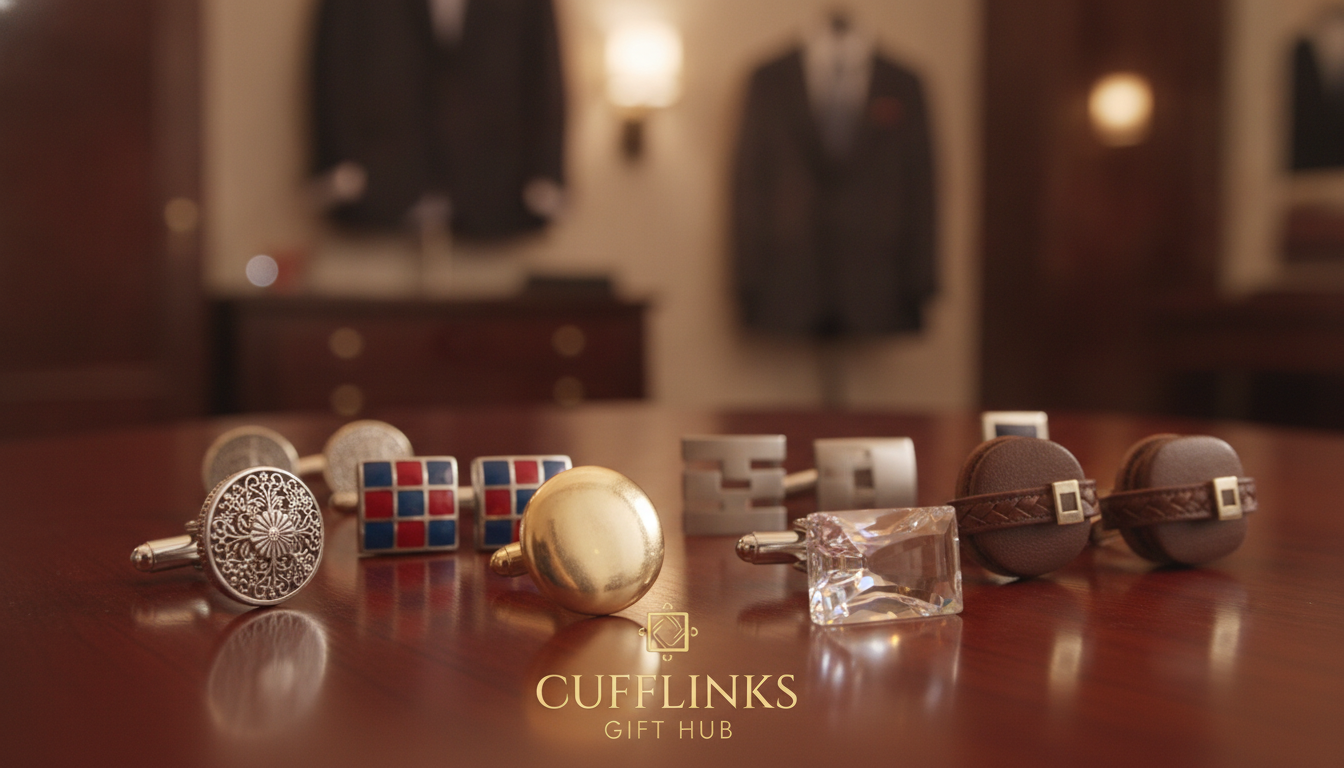
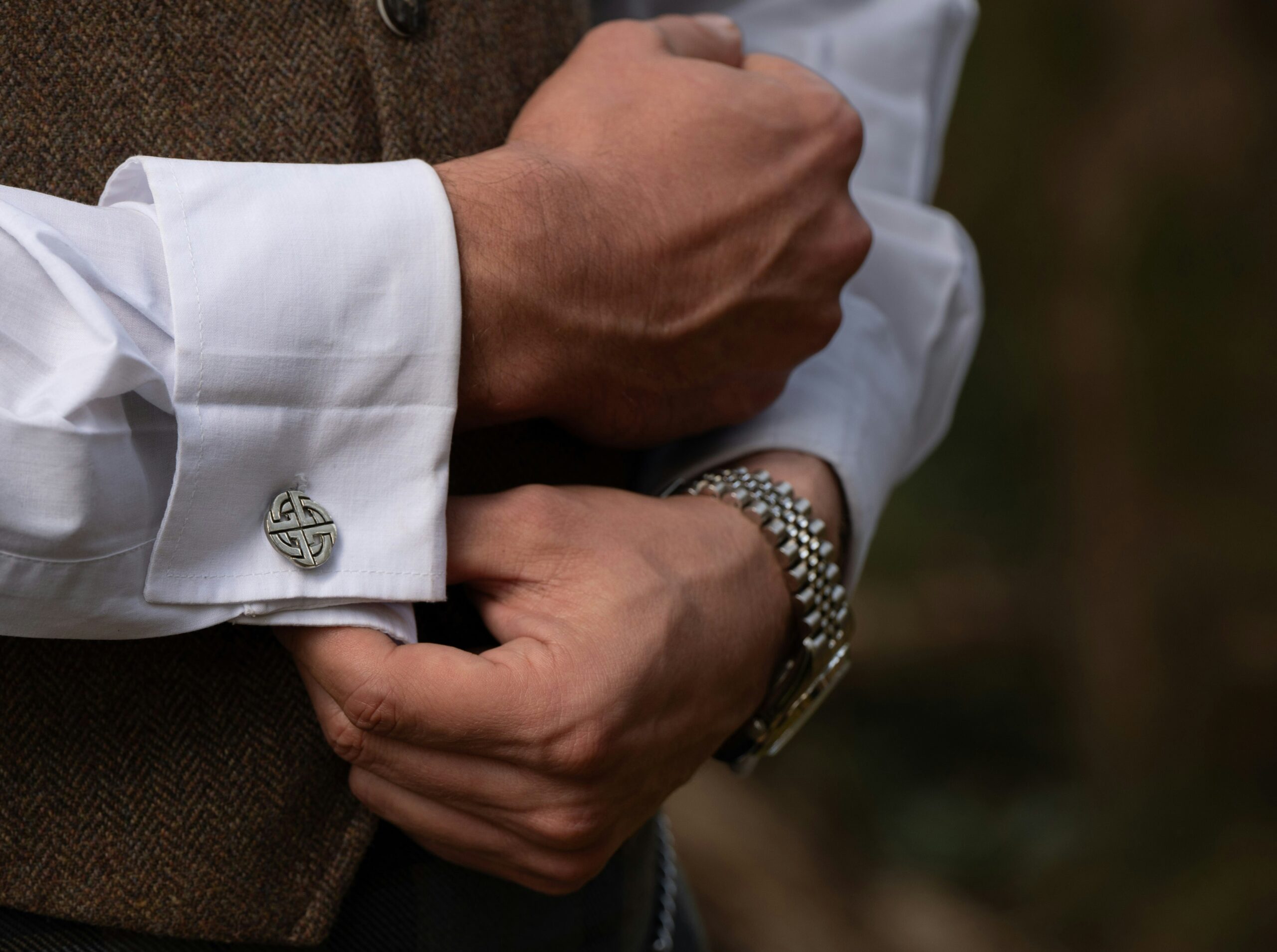
Choosing what we wear is a powerful statement. When you fasten your shirt cuffs, you’re not just securing a garment. You’re telling a story before you even speak. True elegance comes from making these small, yet significant, choices.
Our cufflinks materials guide takes you on a journey through textures and substances. Whether you like the strength of steel or the shine of precious metals, knowing your options is key. It’s the first step to building a collection that shows your unique style.
As you work on your style, you’ll see that every choice has its own story. We encourage you to explore our in-depth guide to mastering the art of matching. Let us guide you to find the perfect mix of quality and personality for any event.
Key Takeaways
- Selecting the right substance ensures your accessories remain durable and stylish for years.
- Precious metals like gold and silver offer a classic, timeless appeal for formal events.
- Modern options such as titanium and stainless steel provide excellent resilience for daily wear.
- Natural elements like wood or leather add a distinct, rugged texture to your ensemble.
- Understanding the properties of each component helps you curate a collection that truly represents your personality.
Introduction to Cufflinks
Cufflinks are a symbol of lasting style. They are the perfect accessory for the modern professional, mixing function with personal flair. Learning about cufflinks materials shows the craftsmanship in each pair we wear.
Brief History of Cufflinks
In the early 17th century, cufflinks were simple and practical. They looked like a chain with buttons on each end. These early cufflinks were just for keeping shirt cuffs together.
“True elegance is found in the details that others might overlook, for it is these small choices that define a man’s character.”
As time went on, cufflinks became more than just fasteners. They became symbols of status and taste. This change made them a must-have for discerning gentlemen worldwide.
The Evolution of Materials Used
The choice of cufflinks materials for men has changed with fashion and technology. At first, they used basic metals and fabrics for durability. Later, they focused on beauty and using precious materials.
Now, there’s a wide range of cufflinks for every taste and event. The table below shows how cufflinks have evolved from simple to sophisticated.
| Era | Primary Focus | Common Materials |
|---|---|---|
| 17th Century | Functional Utility | Fabric, Base Metals |
| Victorian Era | Ornamentation | Gold, Enamel, Glass |
| Modern Day | Innovation & Style | Titanium, Carbon Fibre, Precious Stones |
This change shows our love for combining premium craftsmanship with new ideas. Whether you like gold’s classic feel or modern alloys’ sleek look, there’s a pair for everyone.
Metals Used in Cufflink Production
Exploring cufflinks metal types shows how old skills meet new science. The metal choice is key for both strength and looks.
Do you like the soft glow of precious metals or the strong feel of industrial alloys? The right cufflinks materials make your outfit last longer.
Silver: Classic Elegance
Silver is loved for its simple, elegant look. It matches many shirt colours, making it a great choice.
Sterling silver shines beautifully but needs polishing. Platinum is better for lasting longer, as it doesn’t tarnish like silver.
Gold: Timeless Luxury
Gold is the top sign of luxury in men’s accessories. Yellow, white, or rose gold adds warmth and class to formal wear.
- Yellow Gold: Gives a classic, rich look for black-tie events.
- White Gold: Offers a modern, sleek style that goes well with silver watches.
- Rose Gold: Brings a fresh, unique touch to your style.
Stainless Steel: Durability Meets Style
Stainless steel is perfect for today’s busy professional. It’s tough against scratches and corrosion, keeping your cufflinks looking new.
It’s great for active people who still want to look sharp. Stainless steel gives a clean, modern look for work or casual events.
Alternative Material Choices
For the modern professional, exploring new materials is exciting. It’s a break from the usual jewellery choices. Now, cufflinks metal types include materials that are both functional and stylish.
These new options can make your daily look better. By trying something different, you show off your modern style.
Titanium: Lightweight and Strong
Titanium is loved for its exceptional strength and lightness. It’s perfect for busy people who need comfort all day.
Titanium also has a cool, industrial look. It matches well with modern clothes. Check out our curated collection for a sophisticated, matte finish.
Ceramic: Modern and Sleek
Ceramic is at the top of modern design. It has a smooth, scratch-resistant surface that stays shiny for years. These cufflinks material options are great for those who like simple, stylish looks.
Ceramic is versatile, with deep colours and a smooth feel. It shows you have a taste for the latest trends and quality.
| Material | Key Benefit | Best For |
|---|---|---|
| Titanium | Ultra-lightweight | Daily professional wear |
| Ceramic | Scratch-resistant | Modern, sleek aesthetic |
| Stainless Steel | High durability | Versatile, everyday use |
The Role of Enamel in Cufflink Design
Enamel is a standout in our cufflinks materials list. It brings art to accessories, turning them into masterpieces. This material adds vibrant colours and detailed patterns, making any outfit look more refined.
Artisans love enamel for its ability to hold colour well. It has been used for centuries, from cloisonné to today’s designs. This shows off the skill of the craftsman, appealing to those who value quality.
Types of Enamel Finishes
Enamel is made by fusing glass powder to metal, creating a strong, smooth surface. Over time, different techniques have evolved:
- Cloisonné: This method adds bright, geometric colours to accessories since the early 20th century. It uses metal wire to hold the enamel in compartments.
- Champlevé: This technique carves the metal to fill with enamel, making a bold, textured look.
- Basse-taille: This method engraves the metal, letting the enamel show off the design beneath. It creates a deep, stunning effect.
Benefits of Enamel Cufflinks
Enamel cufflinks are more than just pretty. They make a bold yet sophisticated statement of your style. They help you stand out in any setting.
Enamel cufflinks are also very durable. Their glass-like finish doesn’t tarnish and stays shiny for years. Here are some key points to consider:
- Colour Permanence: Enamel colours stay bright and don’t fade.
- Design Flexibility: Enamel can be used for detailed logos, family crests, or abstract designs.
- Versatility: These pieces fit well with both formal and casual outfits.
Incorporating Gemstones into Cufflinks
Adding special stones to cufflinks makes them sophisticated statements of personal style. These natural elements turn simple fasteners into beautiful pieces of art. Looking at a cufflinks materials list helps you see how they match your formal clothes.
Precious Stones: Diamonds and Sapphires
Precious stones like diamonds and sapphires add unmatched luxury. Diamonds sparkle in platinum or white gold, creating a timeless look. Sapphires add a bold, regal colour to your outfit.
These stones are more than just decorations; they show premium craftsmanship. Choosing them makes your style look polished and confident. Learning how to elevate your style starts with these small, impactful details.
Semi-Precious Stones: A Unique Touch
Semi-precious stones like onyx and lapis lazuli offer a unique look. They add a deep, elegant contrast to metal settings. These stones bring sophistication to your wardrobe.
Onyx gives a sleek, monochrome look that’s perfect for black-tie events. Lapis lazuli’s rich blues add a subtle colour that’s both artistic and professional. Adding these stones to your cufflinks ensures you’re ready for any event.
Leather Cufflinks: A Trendy Option
Leather cufflinks are a stylish choice for today’s man. They add a touch of warmth and texture to your outfit. Unlike shiny metals, leather gets better with age, showing off your style.
Different Styles of Leather Cufflinks
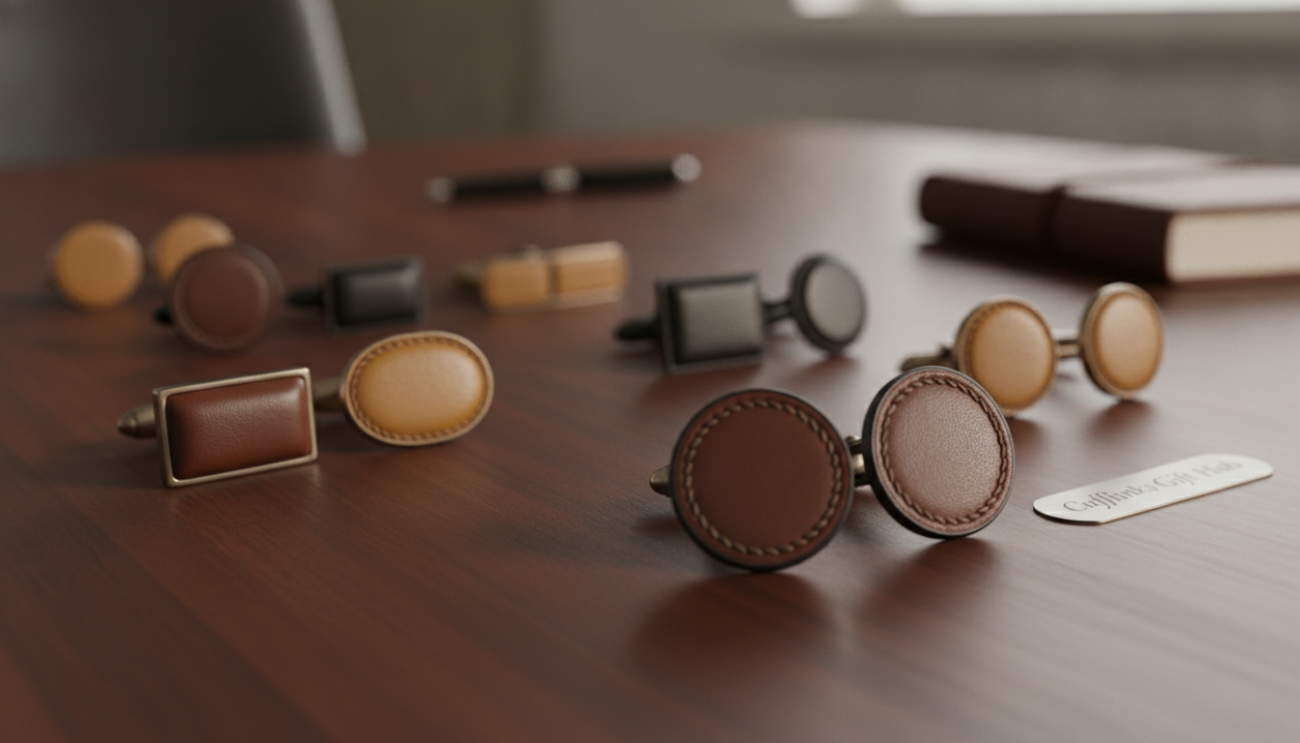
Leather cufflinks come in many designs, from simple to bold. They make great gifts or personal upgrades. Check out our guide to buying cufflinks for the holiday season.
- Classic Knots: These designs have a laid-back, nautical feel. They’re perfect for casual shirts.
- Leather Inlays: These have leather inside metal frames. They mix industrial metal with soft leather.
- Stitched Detailing: Leather with contrasting stitching looks handmade. It adds a unique touch to your cuffs.
Caring for Leather Cufflinks
Looking after leather cufflinks is easy. Keep them dry to make them last longer. Store them in a cool, dry place, like a jewellery box.
“True style is found in the details that age with grace, turning a simple accessory into a story of personal refinement.”
If your leather cufflinks look dull, a soft cloth can help. Don’t use harsh cleaners, as they can damage the leather. By taking care of them, your leather cufflinks will stay stylish for years.
Wood as a Unique Cufflink Material
Wood is a standout choice for cufflinks, offering a sophisticated look. It adds a natural warmth to any outfit. Choosing wood cufflinks shows you value individual style and timeless beauty.
Sustainable Options for Cufflinks
Wooden cufflinks are great for those who care about the environment. Many are made from wood that comes from sustainable forests. This choice is not only stylish but also eco-friendly.
Looking to upgrade your cufflink collection? Check out a guide on cufflinks to see how they fit into your wardrobe. Choosing sustainable materials shows you’re thoughtful about your style.
Craftsmanship in Wooden Cufflinks
Making wooden cufflinks is a labor of love. Skilled artisans pick the best wood grains for strength and beauty. They finish the wood with oils or waxes to highlight its natural beauty.
This careful work makes each pair a unique work of art. It shows off the natural beauty of the wood.
| Wood Type | Durability | Aesthetic Appeal |
|---|---|---|
| Walnut | High | Rich, dark tones |
| Oak | Very High | Classic, robust grain |
| Rosewood | High | Elegant, reddish hues |
| Bamboo | Moderate | Light, modern finish |
The Impact of Technology on Cufflink Materials
Digital innovation and traditional tailoring are merging, creating a new era for men’s accessories. We think the best pieces blend old techniques with new precision. By looking at the latest cufflinks materials trends, we see how modern tools enhance our style.
3D Printing in Cufflink Production
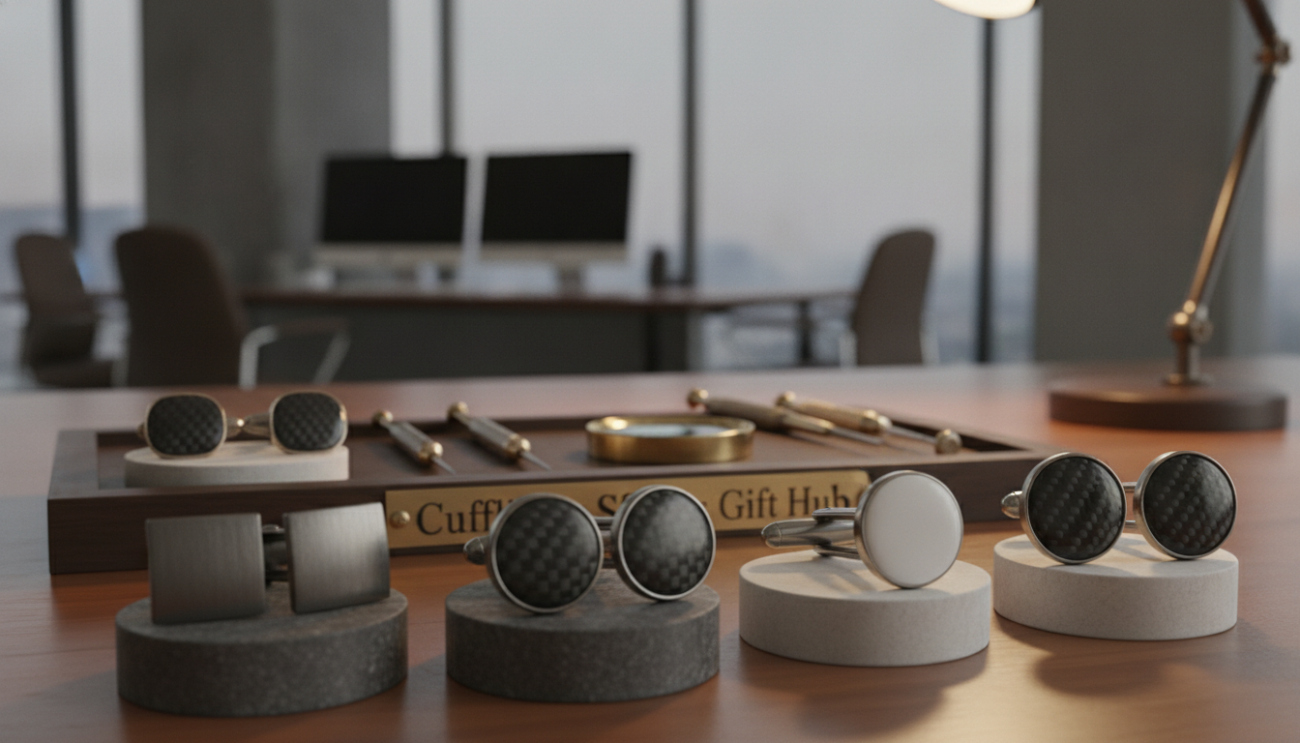
3D printing has changed accessory design. It makes intricate, geometric structures possible, unlike traditional methods. This precision ensures our curated pieces are top-notch.
Designers use 3D printing to create modern, complex forms. This leads to:
- Unprecedented detail in small-scale metalwork.
- Rapid prototyping to perfect the balance and weight of each piece.
- Customisation options that were once too expensive.
Innovative Materials in Modern Design
New materials are emerging for the modern gentleman. We’re seeing a move towards durable, sustainable alloys. Our cufflinks definitive guide explores how these materials impact your wardrobe.
These cufflinks materials trends are about lasting quality and style. By using advanced materials, we make sure your accessories stay timeless yet modern. We’re committed to blending tradition with tomorrow’s innovations.
Choosing the Right Material for Occasions
Finding the right balance between style and what’s fitting is key. Picking the perfect cufflinks materials for men can really boost your look and confidence. We’ll show you how to match your accessories to the event’s formality, so you always look great.
Formal Events vs Casual Wear
At formal events like white tie, tradition calls for something refined. Go for pearl or precious metal cufflinks for a look that’s both elegant and cohesive. Check out this guide for more on keeping your outfit perfect.
But for casual days, you can get creative. Try enamel or brushed steel for a laid-back look. If you’re buying gifts, look at these options for groomsmen for a thoughtful and stylish present.
Seasonal Considerations
The season can also guide your choice of cufflinks materials for men. In summer, go for titanium or polished silver for a cool feel. But in autumn and winter, gold or leather and wood add warmth.
| Occasion | Recommended Material | Style Vibe |
|---|---|---|
| Black/White Tie | Gold, Silver, Pearl | Timeless Elegance |
| Business Meeting | Stainless Steel | Professional & Sharp |
| Casual Social | Enamel, Wood, Leather | Modern & Unique |
Conclusion: Finding Your Perfect Cufflink Material
Your choice of cufflink material says a lot about you. It shows your character and professional identity. Knowing what materials are used for cufflinks helps you pick ones that fit your style and needs.
Seeing cufflinks as a way to express yourself is key. The right metal or gemstone can make any shirt look special. It turns a simple outfit into something unique.
Refining Your Unique Aesthetic
True style shows when your accessories reflect your confidence. Whether you like the shine of sterling silver or the modern look of titanium, choose what feels right to you.
Choose cufflinks that match your everyday life and special events. Quality means they’ll be in your wardrobe for a long time.
Investing in Timeless Heirlooms
These small details are big in men’s fashion. They’re not just fasteners; they show your commitment to quality and tradition.
Build your cufflink collection with thought. Each pair has a story, showing your taste and love for the finer things.

